
Mushrooms for the Immune System: What Reishi, Turkey Tail and Shiitake Have Actually Been Tested For
- In people, mushroom beta-glucans shift immune-cell markers over one to three months, yet no study has counted whether users get sick less often.
- Shiitake, cordyceps and reishi each have small placebo-controlled trials in healthy adults, with 52, 79 and 39 participants respectively.
- Turkey tail's largest body of research is on PSK, a purified pharmaceutical polysaccharide studied in patients, not on extracts taken by healthy adults.
- The trials that found fewer or milder colds mostly used 900 mg of beta-glucan from baker's yeast, not a mushroom tincture.
- Reishi's human data points to regulation rather than stimulation, which is why people on immunosuppressants or with autoimmune conditions should ask a physician first.
Beta-glucans are the reason medicinal mushrooms are studied in an immune context. They do not "boost" the immune system so much as train it — the research looks at recognition of the compound by receptors of the innate immune system, and a more balanced response. The measured percentage in the extract is what separates one product from another.
Reishi (Ganoderma lucidum, lingzhi), turkey tail (Trametes versicolor, yun zhi), shiitake (Lentinula edodes) and cordyceps are the four medicinal mushrooms most often sold “for the immune system” — and the honest summary of the research is this: their beta-glucans do measurably change immune-cell activity in people within four to twelve weeks, but almost no trial has asked whether that keeps a healthy person from getting sick. What exists is a handful of small, placebo-controlled studies that counted immune cells — 52 adults eating shiitake for 4 weeks, 79 men taking cordyceps for 4 weeks, healthy adults on a reishi beta-glucan for 84 days, 39 older women on a reishi extract for 8 weeks — plus a larger literature on colds that was mostly run with beta-glucan from baker’s yeast, not from mushrooms. Below is every one of those studies, with its size and duration next to every claim, and a plain statement of what no one has measured.
Why this page reads differently from the others in the search results. The pages that hold “best mushrooms for the immune system” today are written by mushroom sellers, and most of their “studies show” sentences rest on cell-culture and mouse work, or on the phrase “over 400 clinical trials” that no one links to. We sell an immune blend too — the extract cards further down this page are ours — so we owe you the opposite: the human evidence first, its size and duration next to every claim, and the distinction between “changed a blood marker” and “fewer sick days”, which are not the same thing. If that sends someone with a real immune condition to a physician instead of to our checkout, that is the right outcome.
Key facts
- The mechanism is real and well described: beta-1,3/1,6-glucans in the mushroom cell wall are recognised by a receptor called Dectin-1 on innate immune cells, and this recognition can “train” those cells — a documented form of innate immune memory. That is why the measured beta-glucan percentage of an extract is the number that matters.
- What people trials show: in 52 healthy adults, 4 weeks of 5–10 g of whole shiitake a day raised proliferation of two immune-cell types (γδ-T cells by 60%, NK-T cells twofold) and salivary IgA, while C-reactive protein fell. In 79 healthy men, 4 weeks of 1.5 g of cordyceps a day raised NK-cell activity and lymphocyte proliferation more than placebo. In healthy adults, 84 days of a reishi beta-glucan raised T-cell and NK-cell counts, IgA and NK cytotoxicity versus placebo.
- Reishi leans toward balance, not stimulation: in 39 older women, 8 weeks of 2,000 mg of reishi dry extract shifted T-cell activity toward an anti-inflammatory profile rather than simply “boosting” it — the finding that best matches how reishi is used traditionally.
- Turkey tail’s strongest data is from medicine, not wellness: PSK, a protein-bound polysaccharide extracted from turkey tail, has a meta-analysis of 8 randomised trials and 8,009 patients behind it as an adjunct after surgery — a prescription product in Japan, and not the same thing as a tincture. In healthy people, turkey tail itself has almost no trial data.
- “Fewer colds” was mostly shown with yeast beta-glucan: a 2021 systematic review of 34 randomised trials found fewer and milder respiratory infections, but the biggest trials (162 and 299 people, 16 weeks) used 900 mg of beta-glucan from baker’s yeast. The mushroom trials are smaller: 50 athletes on oyster-mushroom beta-glucan for 3 months had fewer infection symptoms.
- The benchmark for evidence quality is low: a 2025 GRADE-assessed meta-analysis of 17 reishi trials (971 participants) rated the certainty of evidence “very low” for every outcome it pooled, and found no significant effect on inflammatory markers.
Which medicinal mushroom is best for the immune system?
If you choose by human trials in healthy people, shiitake and cordyceps have the cleanest placebo-controlled data — four weeks each, with immune-cell measures moving in the expected direction. If you choose by tradition and by the balance-rather-than-boost profile, reishi. If you choose by the sheer weight of clinical research, turkey tail — but that research is on an isolated pharmaceutical polysaccharide given alongside cancer treatment, not on a supplement taken by a healthy adult. That is the whole field, and it is smaller than the search results make it look.
The table lists every human study we could find in PubMed in which a reishi, turkey tail, shiitake or cordyceps preparation was tested against a control and an immune measure was recorded. The “what it does not mean” column is the one to read twice.
| Study (people) | Who, how long, what | What was found | What it does not mean |
|---|---|---|---|
| Shiitake — Dai et al., 2015 | 52 healthy adults aged 21–41, 4 weeks, 5 g or 10 g of whole dried shiitake a day; randomised parallel groups | Ex-vivo proliferation of γδ-T cells rose 60% and of NK-T cells twofold; salivary IgA rose; C-reactive protein fell; the cytokine pattern shifted toward a less inflammatory profile. | Whole mushroom eaten as food, not an extract. Blood-cell responses, not infections counted. Four weeks, 52 people. |
| Cordyceps — Kang et al., 2015 | 79 healthy Korean men (39 vs 40 placebo), 4 weeks, 1.5 g a day of an ethanol-treated cordyceps in capsules; randomised, placebo-controlled | NK-cell activity, lymphocyte proliferation, IL-2 and interferon-γ rose more than on placebo; no adverse reactions. | Men only, four weeks, a cultivated powder rather than a fruiting-body tincture. Immune markers, not illness. |
| Cordyceps (mycelium) — Jung et al., 2019 | 79 healthy adults (39 vs 40), 8 weeks, 1.68 g a day of a cordyceps mycelium culture extract; randomised, double-blind | NK-cell cytotoxic activity rose 38.8% from baseline relative to placebo. | A fermented mycelium product, not fruiting body. One primary marker. |
| Reishi beta-glucan — Chen et al., 2023 | Healthy adults aged 18–55, 84 days, a purified beta-1,3/1,6-glucan from reishi vs placebo; randomised, double-blind | CD3+, CD4+ and CD8+ T cells, the CD4/CD8 ratio, NK-cell counts, serum IgA and NK cytotoxicity all higher than placebo; kidney and liver markers unchanged. | An isolated beta-glucan, not a whole extract. The published abstract does not give the group sizes. |
| Reishi extract — Iser-Bem et al., 2024 | 60 older women enrolled, 39 completed (23 reishi, 16 placebo), 8 weeks, 2,000 mg a day of reishi dry extract; double-blind | Lymphocytes proliferated more when stimulated; gene expression shifted toward regulatory, anti-inflammatory T-cell activity (more IL-10 and FOXP3, fewer Th17 cells). | “Regulates” rather than “boosts” — the authors say it did not induce proliferation through the usual CD28 pathway. Small, women over 60. |
| Reishi extract — Wicks et al., 2007 | 16 healthy volunteers, 10 days, 2 g of extract twice a day vs placebo; double-blind | No adverse effects on ECG, blood counts or chemistry; CD56 (NK) cells rose during intake and returned to baseline 10 days later — not statistically significant. | A safety trial. Ten days is too short to show anything about immunity, and the authors say so. |
| Turkey tail — Torkelson et al., 2012 | Phase 1 dose-finding, 9 women completing, 6 weeks of 3, 6 or 9 g a day of a turkey tail preparation after radiotherapy for breast cancer | Well tolerated up to 9 g a day; trends toward higher lymphocyte counts at 6 and 9 g and higher NK-cell function at 6 g. | Nine people, no placebo, “trends”. A safety study in a medical population, not evidence for healthy adults. |
| Turkey tail polysaccharide (PSK) — Oba et al., 2007 | Meta-analysis of 8 randomised trials, 8,009 patients, PSK added to chemotherapy after curative gastric-cancer surgery | Hazard ratio for survival 0.88 (95% CI 0.79–0.98) — a modest, statistically significant benefit. | PSK is a purified, protein-bound polysaccharide used as a prescription drug in Japan. It is not a turkey tail tincture, and the population is not healthy adults. |
| Mushroom beta-glucan — Bergendiova et al., 2011 | 50 athletes, 3 months of pleuran (an insoluble beta-glucan from the oyster mushroom) vs placebo; double-blind | Fewer upper-respiratory-infection symptoms; more circulating NK cells; phagocytosis held steady while it fell on placebo. | Athletes under heavy training, whose immunity dips after exertion. Oyster mushroom, not one of the four above. |
| Yeast beta-glucan — Auinger et al., 2013 · Dharsono et al., 2019 | 162 and 299 healthy adults with recurring colds, 16 weeks of 900 mg a day of baker’s-yeast beta-1,3/1,6-glucan; double-blind, placebo-controlled | 25% fewer symptomatic colds in the 2013 trial; in the 2019 trial the number of colds did not change but symptoms were milder in the first week of each episode. | Yeast, not mushroom — the same class of molecule, a different source and a different dose form. The effect is on colds, not on “immunity” in general. |
Two things stand out. First, the trials in healthy people are consistent in direction — immune cells respond within four to twelve weeks — but every one of them measured cells in a tube, not sick days in a diary. Second, the studies that did count infections used beta-glucan from yeast or oyster mushroom, at a purified dose that a tincture does not state. A 2021 systematic review of 34 randomised trials of fungal beta-glucans (from yeast, oyster mushroom, shiitake and reishi; 2.5–1,000 mg a day for up to 6.5 months) reached the same conclusion: fewer and milder respiratory infections, no adverse events attributable to the glucans, and “inconsistent” findings at the cellular level.
Where this sits in our range
The extract we make for this question is Turkey Tail + Reishi — the two mushrooms that carry most of the immune literature, in one fruiting-body extract, with beta-glucan measured at 23.21% of the dry extract by TÜV Austria and the report open. When ongoing stress is what weighs on the system, the Reishi extract on its own (25.65%) is the other route. If you would rather start from the goal than from the mushroom: turkey tail for immunity · all solutions by goal · which mushroom is right for me? · Triterra Farm home.
How do beta-glucans “train” the immune system?
Through a receptor, not through magic. Beta-1,3/1,6-glucans are long chains of glucose in the fungal cell wall that human cells do not make. Innate immune cells — macrophages, dendritic cells, neutrophils — carry a receptor called Dectin-1 whose original job is to recognise exactly that pattern, because it is what a fungus looks like. When Dectin-1 binds a beta-glucan, the cell becomes more alert, and there is now good evidence that the effect can persist: beta-glucans are one of the best-studied triggers of “trained immunity”, a form of long-term memory in innate immune cells that was thought not to exist until about a decade ago.
That is the whole reason a mushroom’s beta-glucan percentage is the number to look at, and why “total polysaccharides” on a label is not: the starch from a grain substrate is a polysaccharide too, and Dectin-1 does not recognise it. Our beta-glucan versus polysaccharides page goes through the chemistry, and the fruiting body versus mycelium page explains why a “mushroom” grown on rice can be mostly rice. Two caveats from the reviews are worth carrying with you: the human evidence for trained immunity is weaker than the animal and cell evidence, and “more alert” is not automatically “better” — which is the subject of the balance section below. The original explanation from this article is kept here; it was written before the trained-immunity literature and holds up well against it.
What makes a mushroom a “medicinal mushroom”? The bioactive compounds
The distinctiveness of medicinal mushrooms lies in the bioactive compounds they contain. These are not ordinary vitamins or minerals, but unique molecules the mushroom develops in order to survive in its environment. Here are some of the main “players”:
- Beta-glucans: complex carbohydrates found in the cell walls of the mushroom. They are not digested like ordinary sugars; instead they reach the digestive system, where they meet the cells of the immune system. Immune cells recognize them as a “challenge,” which encourages them to shift into a heightened state of activity.
- Triterpenes: substances studied for their anti-inflammatory and balancing activity. Preliminary research examines their contribution to moderating excessive immune responses and to helping cope with stress — one of the factors that affect immune-system function.
- Polysaccharides: a broad group of complex sugars that contribute to immune support. In fact, beta-glucans are a type of polysaccharide, but there are additional types with varied activities.
These are only part of the nutritional and pharmacological richness of these mushrooms. Each mushroom is a world unto itself, with a unique profile of compounds and activities.
The effect on immune cells: beta-glucans as an activation signal
When compounds such as beta-glucans enter the body, they are not absorbed directly into the bloodstream. They reach the gut, where large populations of immune cells reside. Immune cells — such as macrophages (the system’s “engulfers”), dendritic cells (the “intelligence” that presents threats), and Natural Killer cells — recognize the beta-glucans as a kind of “signal” or “training code.” They shift into a state of activity and begin to secrete cytokines — proteins that act as messengers between cells and place the system on alert. In this way the system learns to identify threats and to respond more efficiently and precisely.
Cytokine balance: regulating the immune response
The immune system is like an orchestra, and the immune cells are the instruments; the cytokines are the conductor. There are pro-inflammatory cytokines (which increase inflammation) and anti-inflammatory cytokines (which reduce it), and health depends on a delicate balance between them. When the immune system falls out of balance, it is essentially playing dissonance. Medicinal mushrooms, thanks to their triterpenes and polysaccharides, are studied for their ability to support the regulation of cytokine secretion — and to help the “conductor” return to functioning. This is a delicate balance, studied in the context of preventing over-responses on one hand and supporting the necessary immune response on the other.
Does reishi support immune function in people?
In the two placebo-controlled trials that measured it, yes — and in a direction that is more interesting than “boost”. Over 84 days a purified reishi beta-glucan raised T-cell and NK-cell counts, IgA and NK killing activity in healthy adults. Over 8 weeks, 2,000 mg a day of reishi dry extract in older women made lymphocytes more responsive when challenged while shifting their gene activity toward the regulatory, anti-inflammatory side. A 10-day safety trial in 16 volunteers found no adverse effects and a non-significant rise in NK cells. None of these trials counted infections.
The wider reishi literature is large but mostly medical. A Cochrane review of reishi in cancer care found five randomised trials and called their quality “unsatisfying”; a 2025 GRADE-assessed meta-analysis of 17 randomised trials in 971 people — healthy, at-risk and chronically ill — found modest effects on a few metabolic markers, no significant effect on inflammatory markers, and rated the certainty of evidence “very low” across the board. That is not a reason to dismiss reishi; it is a reason to describe it accurately. What the human data supports is a regulator that nudges the immune response toward balance over weeks, which is exactly how the tradition describes it and why we put reishi, not a stimulant, into the immune blend. The full reishi story — compounds, trials, product-quality problems — is on the complete reishi guide; the original reishi section of this article is kept below.
Reishi: an adaptogenic medicinal mushroom for immune balance
In traditional Chinese medicine, Reishi (Ganoderma lucidum) was called the “mushroom of immortality” and was considered so precious that only emperors and nobles consumed it. Today, part of its activity is attributed to its being an adaptogen — a substance studied for its ability to help the body adapt to physical or mental stress and maintain balance (homeostasis).
Key points:
- Moderating the inflammatory response: Reishi is studied in the context of regulating inflammatory responses. Chronic inflammation is considered a factor that affects health, and preliminary research examines Reishi’s contribution to maintaining balance.
- Immune-system balance: Reishi is studied not only for “strengthening” but for balancing the system’s function. In states characterized by heightened immune activity, preliminary research examines its role in regulating the immune response — like a conductor ensuring that all the instruments in the orchestra play in harmony.
- Support in coping with stress: Daily stress affects the body, including the immune system. Reishi is studied in the context of adapting to stress and supporting sleep quality, which may free up resources for the immune system.
What has turkey tail actually been tested for?
Mostly for something you are not buying it for. The famous turkey tail evidence is PSK (polysaccharide-K, “Krestin”), a protein-bound polysaccharide extracted from the mushroom and used in Japan as a prescription adjunct to cancer treatment since the 1970s: a meta-analysis of 8 randomised trials in 8,009 patients after gastric-cancer surgery found a survival hazard ratio of 0.88, and a 2023 systematic review of 39 clinical mushroom studies confirmed a survival benefit for PSK in four gastric-cancer trials. For a healthy adult taking a turkey tail extract, the relevant human data is one phase-1 study in 9 women — well tolerated up to 9 g a day for 6 weeks, with “trends” toward more lymphocytes and NK activity, and no placebo group.
We say this plainly because “turkey tail: over 400 clinical trials” is the most-copied sentence on the pages competing with this one, and it is doing quiet work: the trials are real, but they are of PSK and its Chinese cousin PSP, at pharmaceutical doses, in patients. What carries over to a fruiting-body extract is the class of molecule — turkey tail is unusually rich in beta-glucans and protein-bound polysaccharides — and the safety record. What does not carry over is the outcome. This is also why our lab result for the immune blend is a beta-glucan percentage on the finished extract and not a claim about what it does: the turkey tail science page covers PSK and PSP in more detail, and the lab-testing page shows the report. One more honesty point: our pure turkey tail extract has not been sent for its own beta-glucan test — only the turkey tail and reishi blend has — so the 23.21% figure on this page belongs to the blend and to nothing else.
Does shiitake improve immunity?
In the one modern trial that asked, eating it did: 52 healthy adults who ate 5 or 10 g of whole dried shiitake every day for 4 weeks showed 60% more proliferation of γδ-T cells and twice as much of NK-T cells when their blood was tested, higher salivary IgA (the gut’s front-line antibody), lower C-reactive protein, and a cytokine pattern the authors describe as “less inflammatory” than before. It is the cleanest demonstration in the field that a mushroom, as food, moves human immune markers — and it was done with the whole mushroom, not lentinan.
Lentinan, the isolated beta-glucan the original article describes below, has a separate and older clinical history as an injected adjunct in Japan; a 2021 systematic review of fungal beta-glucans given alongside cancer treatment (16 trials, 1,650 patients) found it and its relatives safe and well tolerated, with mixed evidence on whether they blunt treatment-related immune suppression. As with PSK, that is drug research and should be read as such. We do not sell shiitake — it is a culinary mushroom and is easy to buy fresh — and the Dai trial is a good argument for simply eating it. The original shiitake section is kept here:
Shiitake: lentinan and support for immune cells
The Shiitake mushroom (Lentinula edodes) is familiar from Asian cuisine, but it is much more than a culinary addition. Shiitake is rich in nourishing, immune-supporting compounds and is considered one of the most researched mushrooms. It is likely the first medicinal mushroom to be grown commercially, which attests to recognition of its value thousands of years ago.
The main active compound:
- Lentinan: a unique beta-glucan found in shiitake, studied extensively for its effect on the immune system. It is important to note that lentinan in the research is an isolated compound, distinct from the whole-mushroom extract sold as a supplement. It acts on cells such as Natural Killer (NK) cells and macrophages and is studied in the context of supporting their activity.
- Support for NK cells: NK cells identify and rapidly respond to abnormal cells in the body. Research examines how lentinan may support their activity.
- Gut health: Shiitake also contains prebiotics — dietary fibers that nourish the beneficial bacteria in the gut. Since a substantial part of the immune system is located in the gut, good gut health is important for overall immune function.
What about cordyceps and the immune system?
Cordyceps has two of the better-designed trials in healthy people. In 79 healthy men, 4 weeks of 1.5 g a day raised NK-cell activity, lymphocyte proliferation and the Th1 cytokines IL-2 and interferon-γ more than placebo, with no adverse reactions. In 79 healthy adults, 8 weeks of 1.68 g a day of a cordyceps mycelium culture extract raised NK-cell cytotoxicity by 38.8% relative to placebo. Both are cell-marker studies; neither counted infections. Cordyceps polysaccharides are also the subject of a 2024 review of twenty years of laboratory and animal work showing activation of macrophages, lymphocytes and dendritic cells.
In practice we position cordyceps as the energy mushroom rather than the immune mushroom — that story, with its own trial table, is on cordyceps and energy — but the immune data is the reason it belongs in a morning routine during a hard season of training or work. The original section is kept below; note that it originally named the cordyceps species, which we no longer state on any page, for reasons explained on the cordyceps science page.
Cordyceps: energy, endurance, and immune support
Cordyceps is a mushroom that grows in extreme conditions, usually in the Himalayan mountains. Originally, herders noticed that animals that consumed it became more energetic. The mushroom is studied in the context of energy, endurance, and physical performance — and even athletes use it in a fully legal way. Beyond that, Cordyceps is also studied in the context of supporting immune-system function.
Why is it special?
- ATP production: Cordyceps is studied for its contribution to ATP production in the body — the cell’s energy currency. More available energy also means resources for the immune cells to do their work.
- Improved exercise tolerance: studied for improving oxygen utilization and contributing to physical endurance — relevant not only to athletes but to anyone seeking to feel more vital day to day.
- Respiratory support: in tradition, Cordyceps was linked to lung health and respiratory-tract function, which is studied especially in the context of transitional seasons and environmental load.
- Immune regulation: like Reishi, Cordyceps is also studied in the context of regulating immune-cell activity and supporting certain defensive responses.
Do mushroom beta-glucans mean fewer colds?
Probably fewer or milder ones, but the strongest trials were not run with mushrooms. In 162 adults with recurring colds, 16 weeks of 900 mg a day of baker’s-yeast beta-1,3/1,6-glucan cut symptomatic colds by 25% versus placebo; in 299 adults the same dose did not change the number of colds but made the first week of each one milder. The mushroom-derived data is smaller: 50 athletes on an oyster-mushroom beta-glucan for 3 months had fewer infection symptoms and more NK cells, and an 11–18-week trial of maitake in 2026 found no change in the number of infections but fewer days of fever and runny nose with one of two strains.
The fair reading is that the molecule works in the direction claimed, that dose and form matter, and that no trial has tested a mushroom tincture against a winter of colds. We cannot tell you how many milligrams of beta-glucan are in a millilitre of our extract — the lab measures the percentage in the dried extract, and turning that into a per-drop figure would require an extraction-yield number we have not verified, so we do not publish one. What we can tell you is that the percentage is measured, and that it is the highest-value marker the reviews point to. The original “why the immune system needs support” opening of this article is kept in the last section of the page.
Is “boosting” the immune system even the right goal?
Usually not, and the trials quietly agree. The reishi extract trial in older women is the clearest example: the extract made lymphocytes more responsive and shifted them toward the regulatory, anti-inflammatory side — fewer Th17 cells, more IL-10 — which is why the authors chose the word “regulates”. The shiitake trial found immune cells more active under conditions that were, in the authors’ words, “less inflammatory than those that existed before”. An immune system that is simply louder is not healthier; allergies and autoimmune conditions are immune systems that are too loud.
This is the practical reason the language on this page is “support” and “balance” rather than “boost”, and it is also a safety point. If you have an autoimmune condition, take an immunosuppressant, or have had an organ transplant, a substance that makes immune cells more responsive is precisely what your physician needs to know about before you start. The drug-interactions page lists what is documented; the reishi and seasonal allergies page covers the “too loud” side of the system separately. The original discussion of balance from this article is kept below.
Are medicinal mushrooms a single solution? Their place in a healthy lifestyle
It is important to understand: there is no “magic pill,” and there is no single solution for every aspect of health. Medicinal mushrooms are one tool within a complete picture. They do not replace a healthy diet, regular physical activity, sufficient sleep, or stress management — they complement them.
Synergy: complementing a healthy routine
Think of it this way: you invest in fitness training, and that’s excellent. The mushrooms are like a complementary component — they don’t do the work for you, but they integrate into your efforts. When you combine medicinal mushrooms with a healthy lifestyle, synergy is created: the components support the body through a holistic approach. Medicinal mushrooms are studied in the context of supporting not only the immune system, but also additional systems such as the nervous system and the digestive system.
How long does immune support take to show?
Four weeks is the shortest interval in which a placebo-controlled trial found a change in immune cells (shiitake, cordyceps); the reishi trials ran 8 weeks and 84 days; the cold-prevention trials ran 12 to 16 weeks, across a winter. The 10-day reishi trial found nothing significant. So the honest window is one to three months of daily use — and if what you want to know is whether you get fewer colds, a single winter is the only fair test, because colds are seasonal and a good month proves nothing.
We have written the whole “how long” question up on its own page — how long medicinal mushrooms take to work — including a simple way to run a one-person trial so that you are not fooled by chance. For immunity the version is: note every cold, its length and its severity for the season before you start, and compare next season. Memory is a poor diary; a phone note is a good one. One 50 ml bottle at 1.4 ml a day is about 35 days, which covers the four-week window the shortest trials used.
How much, and in which form?
The trial doses are not tincture doses, and we will not pretend they convert. The people studies used 5–10 g of whole dried shiitake, 1.5–1.68 g of cordyceps powders or mycelium extract, 2,000 mg of reishi dry extract, 3–9 g of a turkey tail preparation, and 250–900 mg of purified beta-glucan. Our label dose is 1.4 ml a day, and our dosage guide explains the four-week titration we use and why we do not publish a milligram-per-millilitre figure.
What we can state exactly is what is in the bottle: a triple extraction (water, alcohol and ultrasonic) of fresh turkey tail and reishi fruiting bodies at a mushroom-to-liquid ratio of 1:3 — about 16–17 g of fresh mushroom in every 50 ml — with beta-glucan measured at 23.21% of the dry extract by TÜV Austria and the report published. The mushrooms go from harvest to extraction without a drying step, which, as far as we know, makes us one of very few growers in the world to do so; the fresh versus dried page explains what that does and does not change. The extraction-ratio page explains why “1:3” on a fresh-mushroom label is not the same 1:3 as on a dried-mushroom label, and the timing and stacking guide covers when to take it and what to combine it with.
Who should not take medicinal mushrooms for immune support?
Anyone on an immunosuppressant or biologic, anyone with an autoimmune condition or an organ transplant, anyone on blood thinners (reishi has documented anti-platelet activity), anyone due for surgery within two weeks, and — by our own rule rather than by evidence of harm — anyone pregnant, breastfeeding or under 18. Those are physician conversations, not supplement decisions. Mushroom allergy exists and is a reason to stop at the first sign of a reaction.
We keep this section on a sales page on purpose. The side-effects page lists what has been reported in the trials (mostly mild digestive complaints), the drug-interactions page covers anticoagulants and immunosuppressants in detail, the pregnancy and breastfeeding page explains why our answer there is no, and the children’s page does the same for anyone under 18. The original safety questions from this article are preserved in the FAQ section below.
What makes an immune extract worth testing?
Three things you can check before you buy. That it is made from fruiting bodies, not mycelium grown on grain — a grain-grown “mushroom” is mostly starch, which Dectin-1 ignores. That the beta-glucan content is measured by an external laboratory on the finished extract and the report is open, with alpha-glucan (starch) reported as not detected. And that the label does not hide behind “total polysaccharides”. A 2017 analysis of 19 reishi products sold in the United States found that only 5 contained what their labels claimed; the immune category is where that problem is worst, because turkey tail and reishi are cheap to grow as mycelium on rice.
Our own answers to those three checks are on the lab-testing page and the how to read a COA guide; the mycelium debate page explains, without name-calling, why the biggest brands in this category disagree with us. The original buying advice from this article is kept here — it still holds:
How do you choose a quality supplement?
The market is flooded, and it’s easy to get lost. Look for supplements that specify dual extract (water and alcohol) to ensure a range of active compounds. Make sure the product states the lab-measured beta-glucan percentage and that it is made from the fruiting body — not mycelium grown on grain. You can review our beta-glucan lab testing and our full transparency page.
What does the research still not know?
Whether a healthy adult taking a mushroom extract gets fewer or shorter infections — no trial has tested a tincture against a winter. Whether the immune-cell changes seen at four to twelve weeks persist, fade or matter clinically. Which form (whole mushroom, water extract, alcohol extract, purified beta-glucan) does what, and at which dose in drops. Whether the “regulating” profile of reishi and the “activating” profile of cordyceps and shiitake add up or cancel when combined. We do not know these things, and neither does anyone selling an immune blend.
What we can measure, we do: the extract’s beta-glucan content, its heavy-metal, pesticide and PAH results, and the ratio of fresh mushroom to liquid. “Studies show” is not something we can put on a certificate. A lab result is — which is why the proof panel below this article shows numbers with a report number, and not a sentence about NK cells in a dish.
The bottom line
Medicinal mushrooms are the best-supported natural source of beta-glucans, and beta-glucans do change human immune-cell activity within four to twelve weeks — that part is measured, in shiitake, cordyceps and reishi trials. What is not measured is whether that keeps you well; the “fewer colds” trials mostly used yeast beta-glucan, and turkey tail’s famous evidence is a prescription polysaccharide in cancer care. Choose a fruiting-body extract with an open beta-glucan report, take it daily for at least a month, judge it over a season rather than a week, and talk to a physician first if your immune system is medically suppressed or medically overactive. The original closing of this article is kept below.
Summary: a mindful approach to medicinal mushrooms for immune support
After this review, you now have useful knowledge about medicinal mushrooms and the connection between their components and immune-system function. These are dietary supplements studied in the context of support and balance — biological partners that evolved over millions of years.
The next step: matching a medicinal mushroom to you
The recommendation is to start small, choose one mushroom that suits you (Reishi is an excellent starting point for general balance), and stay consistent. Not sure where to start? Dive into our complete guide to medicinal mushrooms, and browse our questions and answers. This is the beginning of a journey toward a better understanding of your body and of how natural support fits into a healthy lifestyle.
Frequently asked questions about mushrooms and the immune system
Which mushroom is best for the immune system — reishi or turkey tail?
For a healthy adult, the two answer different questions. Turkey tail carries the largest body of immune research, but nearly all of it is on PSK, a purified polysaccharide used as a prescription adjunct in Japan; reishi has small placebo-controlled trials in healthy people showing a regulating, anti-inflammatory shift over 8 to 12 weeks. Our immune blend contains both for that reason: turkey tail for its polysaccharide density, reishi for balance.
Is there a human study showing mushrooms prevent colds?
Not with a mushroom tincture. The two largest trials — 162 and 299 adults over 16 weeks — used 900 mg a day of beta-glucan from baker’s yeast and found 25% fewer colds in one and milder first-week symptoms in the other. The mushroom evidence is a 50-athlete trial of oyster-mushroom beta-glucan with fewer infection symptoms over 3 months, and a 2026 maitake trial with fewer fever days but no change in the number of infections.
Do medicinal mushrooms “boost” the immune system?
“Support” is the accurate word. In the trials, immune cells became more responsive, but the reishi and shiitake studies both found the shift happened under less inflammatory conditions, not more — regulation rather than stimulation. An immune system that is simply louder is not healthier, which is why people with autoimmune conditions or on immunosuppressants should not start without a physician.
How long should I take a mushroom extract before judging it?
At least four weeks, which is the shortest interval in which a placebo-controlled trial found a change in immune cells; the reishi trials ran 8 to 12 weeks. If the question is whether you catch fewer colds, only a full season is a fair test. A 50 ml bottle at 1.4 ml a day lasts about 35 days.
Can I take reishi or turkey tail with medication?
Ask your physician or pharmacist first. Reishi has anti-platelet activity and should not be combined with blood thinners without medical advice, and any beta-glucan source is a question to raise if you take an immunosuppressant, a biologic, or have had a transplant. Stop two weeks before surgery. Our drug-interactions page lists what is documented.
Why does your immune blend show 23.21% beta-glucan when reishi alone shows 25.65%?
Because each number is a separate laboratory measurement on a separate finished extract, on a dry basis, and turkey tail and reishi have different beta-glucan densities. The blend’s figure is its own TÜV Austria result — not an average, and not the pure turkey tail extract’s figure, which has not been tested separately.
Is it better to eat shiitake than to take an extract?
For shiitake specifically, eating it is what the best trial did: 5–10 g of whole dried shiitake a day for 4 weeks moved immune markers in 52 healthy adults. Shiitake is a culinary mushroom and easy to buy fresh, so we do not sell it. Reishi and turkey tail are woody and inedible, which is why they are extracted.
Are these mushrooms suitable during pregnancy, breastfeeding, or for children?
Our answer is no, for all three, without a physician’s decision — not because harm has been shown, but because there is no safety research in those groups and our tinctures contain alcohol. We have a dedicated page on pregnancy and breastfeeding and another on children that lay out everything that has, and has not, been measured.
The original questions and answers from this article
We’ve gathered the most common questions. For professional terms, you can use our medicinal-mushroom glossary.
Are medicinal mushrooms safe to use?
Most common medicinal mushrooms are considered safe to consume. That said, as with any dietary supplement, it is important to start with low doses, listen to your body, and choose quality products from a reliable source. If you have an existing medical condition or take medication, you must consult a physician or qualified practitioner before starting use.
How long does it take to feel a change?
It varies from person to person and from mushroom to mushroom. Some will feel a change in energy or sleep within a few days, while others will need consistency of a month or more. This is a process of support and balance, not a “quick fix.”
Are there side effects?
Side effects are rare and relatively mild. On rare occasions, mild digestive discomfort (such as gas or bloating) is reported at the start of use, or rare allergic reactions. If you experience bothersome side effects, stop use and consult a professional. Product quality plays an important role here.
Can they be combined with medication?
This is an important question, and the answer is “with caution, and only in consultation with a professional.” Certain mushrooms may affect blood clotting (for example, Reishi at high doses) or blood-pressure or diabetes medications. Tell your physician about any supplement you plan to take.
Do they replace a healthy diet?
No. Medicinal mushrooms are a supplement, not a substitute. They do not compensate for a poor diet, lack of sleep, or a stressful lifestyle. They complement a solid health routine.
Can children consume them?
It is better to avoid giving medicinal mushrooms to children unless done on the recommendation and under the supervision of a pediatrician or specialist practitioner. Children’s body systems are still developing, and extra caution is required.
How this article began (the original 2025 opening, kept)
This page was first published as an educational overview and rebuilt in August 2026 around the trial evidence above. Nothing was thrown away: every section of the original sits in a grey box under the question it answers, and the opening — written before we had read a single one of these studies closely — is here. It is a fair record of how the conversation about mushrooms and immunity usually starts.
Medicinal mushrooms have been used traditionally for thousands of years, and today an emerging body of scientific research is examining how the unique components within them — chief among them beta-glucans — influence immune-system function. In this article we review what makes a mushroom a “medicinal mushroom,” meet three researched mushrooms (Reishi, Cordyceps, and Shiitake), and understand the mechanism by which their components support and help balance immune-system function — not as a “miracle cure,” but as a dietary supplement that fits into a healthy lifestyle. For broader background, see our complete guide to medicinal mushrooms.
The immune system in the modern world: why it needs support and balance
Today’s world poses real challenges to the immune system. We are surrounded by stress, pollution, processed food, and many factors that may unsettle our natural defenses. The immune system works constantly, and at times it is overloaded. It is like an army on constant alert, and it sometimes benefits from support that helps it function in balance. This raises the question: can we support the system and help it work in a sharper, more focused way?
The evolution of resilience: how the immune system developed
Over millions of years, our immune system evolved to cope with diverse challenges. Viruses, bacteria, and foreign invaders — it learned to identify threats and neutralize them efficiently. It is a complex and impressive system, but like any biological system it needs proper maintenance: quality nutrition, sleep, stress management, and a supportive lifestyle. This is where mushrooms enter the picture — not supermarket mushrooms, but mushrooms with a long traditional history and a developing body of modern research.
Medicinal mushrooms: between ancient tradition and modern science
For thousands of years, ancient cultures — from the Far East to Europe — used certain mushrooms not only as food but as part of traditional medicine. Tradition held that they “strengthen the body and confer resilience.” Today Western science studies the components within them, and laboratories around the world publish preliminary research on their potential. So what really makes a mushroom “medicinal”? The answer lies in its chemistry.
3 leading medicinal mushrooms for immune-system support
There are thousands of mushroom species, but only a small portion are considered “medicinal mushrooms.” Of these, a few have earned special standing thanks to the extensive research conducted on them. Let’s meet three of the best known.
Not sure which medicinal mushroom fits your needs? Start with our complete guide to medicinal mushrooms for a research-based overview.
Note: This content is an educational overview, based on preliminary research and traditional uses, and does not constitute a medical recommendation or a therapeutic indication. Medicinal mushroom extracts are dietary supplements only — this product is not intended to diagnose, treat, cure, or prevent any disease. Do not begin use — especially while taking medication, or during pregnancy, nursing, or an existing medical condition — without consulting a physician or qualified practitioner.
Sources (peer-reviewed)
- Whole shiitake, 5–10 g a day for 4 weeks in 52 healthy adults — γδ-T proliferation +60%, NK-T twofold, higher IgA, lower CRP. Dai X, Stanilka JM, Rowe CA, et al. Journal of the American College of Nutrition, 2015. View on PubMed
- Cordyceps 1.5 g a day for 4 weeks in 79 healthy men — higher NK activity, lymphocyte proliferation, IL-2 and IFN-γ than placebo. Kang HJ, Baik HW, Kim SJ, et al. Journal of Medicinal Food, 2015. View on PubMed
- Cordyceps mycelium culture extract, 8 weeks in 79 healthy adults — NK cytotoxicity +38.8% relative to placebo. Jung SJ, Jung ES, Choi EK, et al. BMC Complementary and Alternative Medicine, 2019. View on PubMed
- Reishi beta-1,3/1,6-glucan for 84 days in healthy adults — higher T-cell and NK counts, IgA and NK cytotoxicity than placebo. Chen SN, Nan FH, Liu MW, et al. Foods, 2023. View on PubMed
- Reishi dry extract 2,000 mg a day for 8 weeks in older women — T lymphocytes shifted toward a regulatory, anti-inflammatory profile. Iser-Bem PN, Lobato TB, Alecrim-Zeza AL, et al. British Journal of Nutrition, 2024. View on PubMed
- Reishi extract 2 g twice daily for 10 days in 16 volunteers — safe; NK-cell rise not significant. Wicks SM, Tong R, Wang CZ, et al. American Journal of Chinese Medicine, 2007. View on PubMed
- Reishi in cancer care — Cochrane review of 5 randomised trials; quality “unsatisfying”. Jin X, Ruiz Beguerie J, Sze DM, Chan GC. Cochrane Database of Systematic Reviews, 2016. View on PubMed
- Reishi in clinical trials — GRADE-assessed meta-analysis of 17 RCTs, 971 participants; very low certainty; no effect on inflammatory markers. Jafari A, Mardani H, Mirzaei Fashtali Z, Arghavan B. Food Science & Nutrition, 2025. View on PubMed
- Turkey tail preparation up to 9 g a day for 6 weeks after radiotherapy — phase 1, 9 women, safe, immune “trends”. Torkelson CJ, Sweet E, Martzen MR, et al. ISRN Oncology, 2012. View on PubMed
- PSK (turkey tail polysaccharide) as adjuvant after gastric-cancer surgery — meta-analysis of 8 RCTs, 8,009 patients, hazard ratio 0.88. Oba K, Teramukai S, Kobayashi M, et al. Cancer Immunology, Immunotherapy, 2007. View on PubMed
- Medicinal mushroom supplements in cancer — systematic review of 39 clinical studies, 2010–2020. Narayanan S, de Mores AR, Cohen L, et al. Current Oncology Reports, 2023. View on PubMed
- Fungal beta-glucans given alongside cancer treatment — systematic review of 16 trials, 1,650 patients. Steimbach L, Borgmann AV, Gomar GG, et al. Clinical Nutrition, 2021. View on PubMed
- Fungal beta-1,3/1,6-glucans and health — systematic review of 34 randomised trials. Vlassopoulou M, Yannakoulia M, Pletsa V, et al. Food & Function, 2021. View on PubMed
- Oyster-mushroom beta-glucan (pleuran) for 3 months in 50 athletes — fewer respiratory-infection symptoms, more NK cells. Bergendiova K, Tibenska E, Majtan J. European Journal of Applied Physiology, 2011. View on PubMed
- Yeast beta-1,3/1,6-glucan 900 mg a day for 16 weeks in 162 adults — 25% fewer symptomatic colds. Auinger A, Riede L, Bothe G, et al. European Journal of Nutrition, 2013. View on PubMed
- Yeast beta-glucan 900 mg a day for 16 weeks in 299 adults — milder first-week cold symptoms; incidence unchanged. Dharsono T, Rudnicka K, Wilhelm M, Alexander C. Journal of the American College of Nutrition, 2019. View on PubMed
- Maitake for 11–18 weeks in healthy adults — fewer fever and runny-nose days with one strain; infection count unchanged. Masuda Y, Nakayama Y, Shimizu R, et al. Food & Function, 2026. View on PubMed
- Dectin-1, beta-glucans and trained immunity — review. Mata-Martínez P, Bergón-Gutiérrez M, Del Fresno C. Frontiers in Immunology, 2022. View on PubMed
- Beta-1,3/1,6-glucans and immunity — state of the art; human evidence weaker than pre-clinical. De Marco Castro E, Calder PC, Roche HM. Molecular Nutrition & Food Research, 2021. View on PubMed
- Shiitake polysaccharides and immune modulation — review of animal and human work. Roszczyk A, Turło J, Zagożdżon R, Kaleta B. International Journal of Molecular Sciences, 2022. View on PubMed
- Genomic analysis of 19 commercial reishi products — only 5 matched their labels. Wu DT, Deng Y, Chen LX, et al. Scientific Reports, 2017. View on PubMed
Further reading on this site: Reishi science · Turkey tail science · Cordyceps science · the research hub, filtered for immunity · turkey tail for immunity — our extract page · the complete guide to medicinal mushrooms · all solutions by goal · mushrooms for sleep · mushrooms for focus.
*These statements have not been evaluated by the Food and Drug Administration. This product is not intended to diagnose, treat, cure, or prevent any disease.* This page is an educational overview of published research and does not constitute medical advice. Medicinal mushroom extracts are dietary supplements. Do not begin use while taking medication, during pregnancy or nursing, or with an existing medical condition, without consulting a physician.
How do you know there is really beta-glucan in the bottle?
It is the only question that matters here, and almost nobody answers it with a number. "Total polysaccharides" on a label can be mostly starch from the rice the mycelium grew on. We measure specific beta-glucan, at an external lab, for every extract.
How to start with immune support
Two routes: the Turkey Tail and Reishi blend — the two mushrooms most studied in an immune context — or focused Reishi, for when ongoing stress is what weighs on the system.
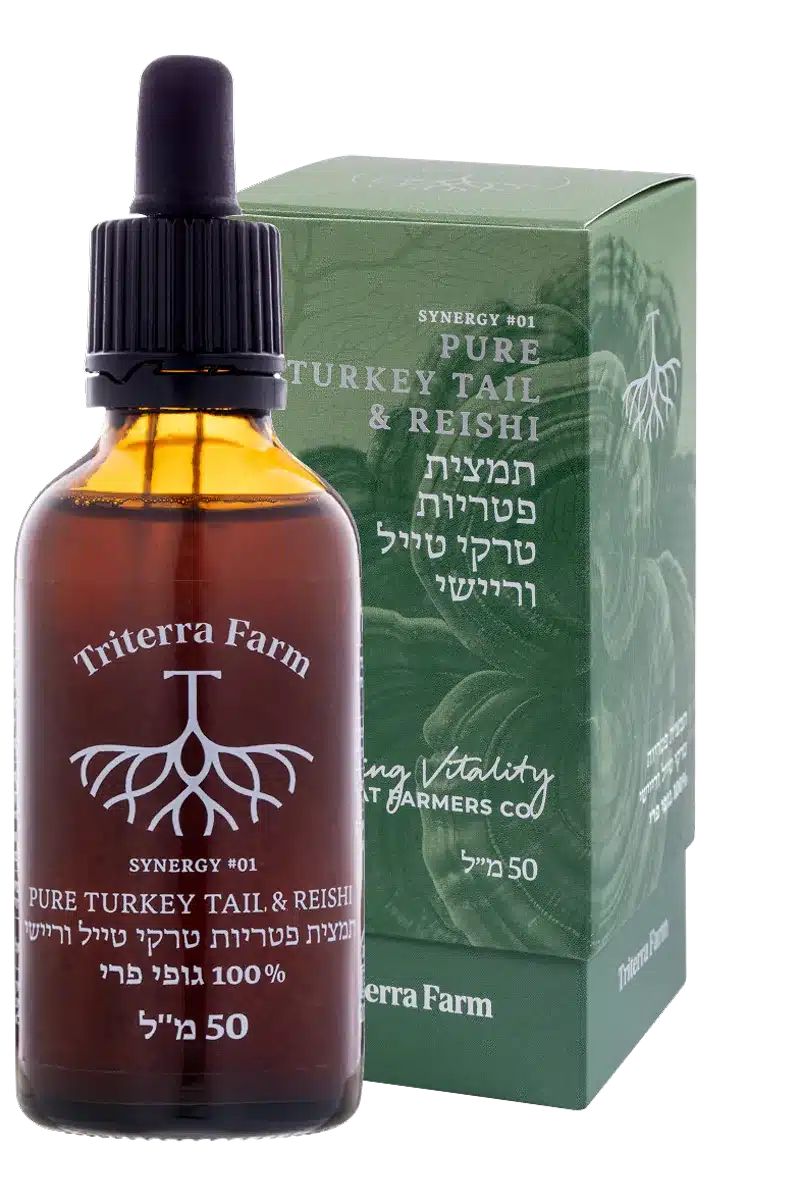
Turkey Tail + Reishi — Fruiting Body Extract
The two central mushrooms of immune research in one bottle: Turkey Tail for its polysaccharides, Reishi for regulation. 23.21% beta-glucan verified.
“Stomach pains that had been with me for years simply stopped. My doctor recommended this extract and I do not see myself without it.” — Inbar Y., verified review (translated from Hebrew)
₪250
about 35 days of use (1.4 ml/day) · free shipping over ₪285
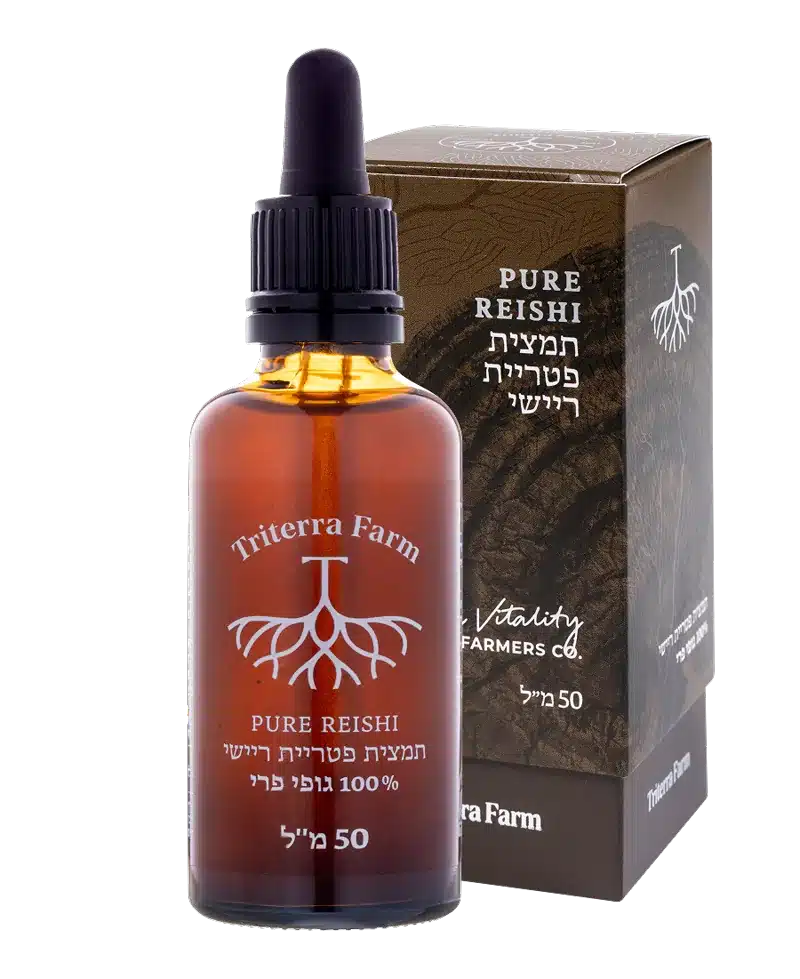
Reishi — Fruiting Body Extract
For when stress is the driver: Reishi is an adaptogen, and a chronic stress response is one of the things that weighs on immune function. 25.65% beta-glucan verified.
“Simply magic. Hard to believe how much it helps.” — Kfir H., verified review (translated from Hebrew)
₪250
about 35 days of use (1.4 ml/day) · free shipping over ₪285
Triterra club members get a standing 10% discount on every order, plus a quantity discount on more than one extract. Joining is free, through the matching quiz →
What people who started tell us
Real verified reviews from our customers, translated from the original Hebrew
“Stomach pains that had been with me for years simply stopped. My doctor recommended this extract and I do not see myself without it.”
Inbar Y.Turkey Tail & Reishi Extract
“Simply magic. Hard to believe how much it helps.”
Kfir H.Reishi Extract
“I have used Shlomi's extracts for years, and every time I am moved again by the quality and the effect.”
Noy G.Lion's Mane & Reishi Extract
Want support you can actually verify?
Start with a 100-day trial — if you feel no difference, you get your money back.
Choose my extract Not sure what fits? Take the matching quiz — under a minute →Want the mechanism itself, not just the conclusion? Turkey Tail Science →
These statements have not been evaluated by the Food and Drug Administration. This product is not intended to diagnose, treat, cure or prevent any disease. The information here is for general knowledge only and is not medical advice or a substitute for consulting a physician. Consult a qualified professional before using any dietary supplement, especially if you take medication, are pregnant or nursing, or have a diagnosed medical condition.
The research behind Reishi — 16 PubMed studies, the good and the bad →
