
Functional Mushrooms
The science, the mushrooms, and the difference nobody tells you about — with full external lab certificates for every extract. Fewer slogans, more transparency.
Not sure where to start? Which Mushroom Is Right for Me? — the goal-based matching guide maps every option in one table.
What are functional mushrooms — and why it’s not like the mushrooms on your plate
Functional mushrooms are studied for their unique active compounds — chiefly β-glucans 1,3/1,6, polysaccharides examined in research in the context of supporting and modulating the body’s systems. Unlike culinary mushrooms, their value isn’t caloric but bioactive — and it’s released only through proper extraction from the fruiting body. The field concerned with the considered use of functional mushrooms to support well-being is called mycotherapy — and that is exactly what we practice here, from the strain in the lab to the finished tincture.
- Fruiting body, not mycelium: a quality fruiting-body product contains ~25%–40% β-glucan; “mycelium on grain” is usually under 7%.
- Extraction unlocks: the cell wall is chitin, hard to digest — without extraction, the compounds stay locked inside.
- A number you can check: β-glucan is the only metric that separates an active extract from cheap starch.
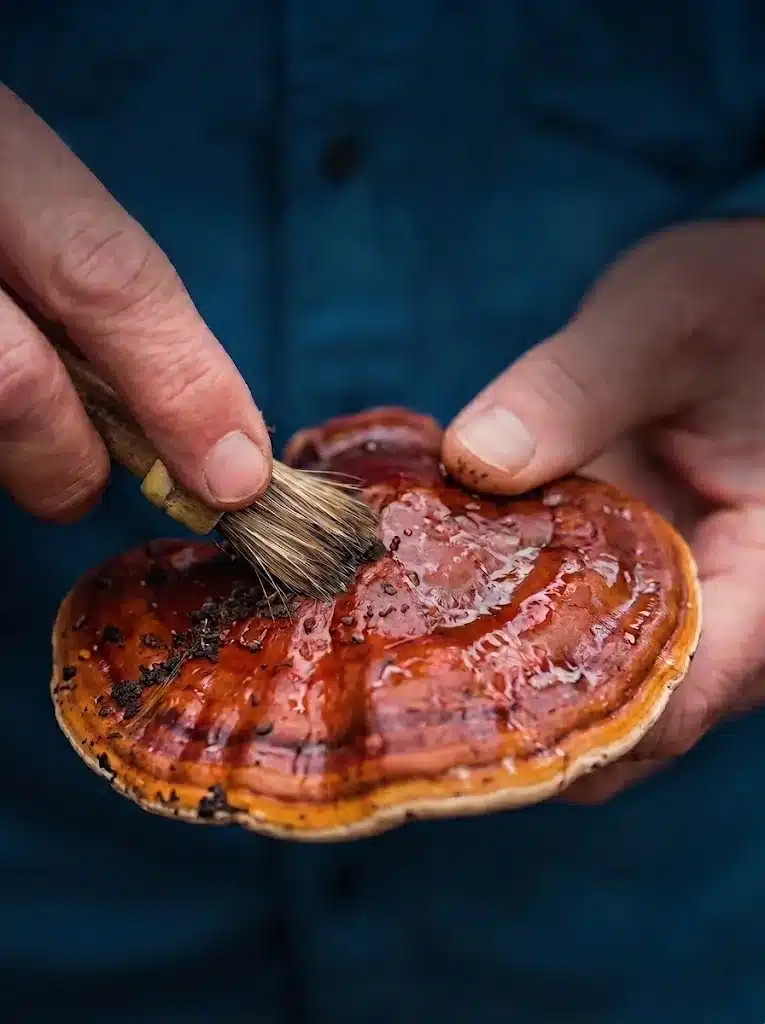
The five mushrooms — each with its own science
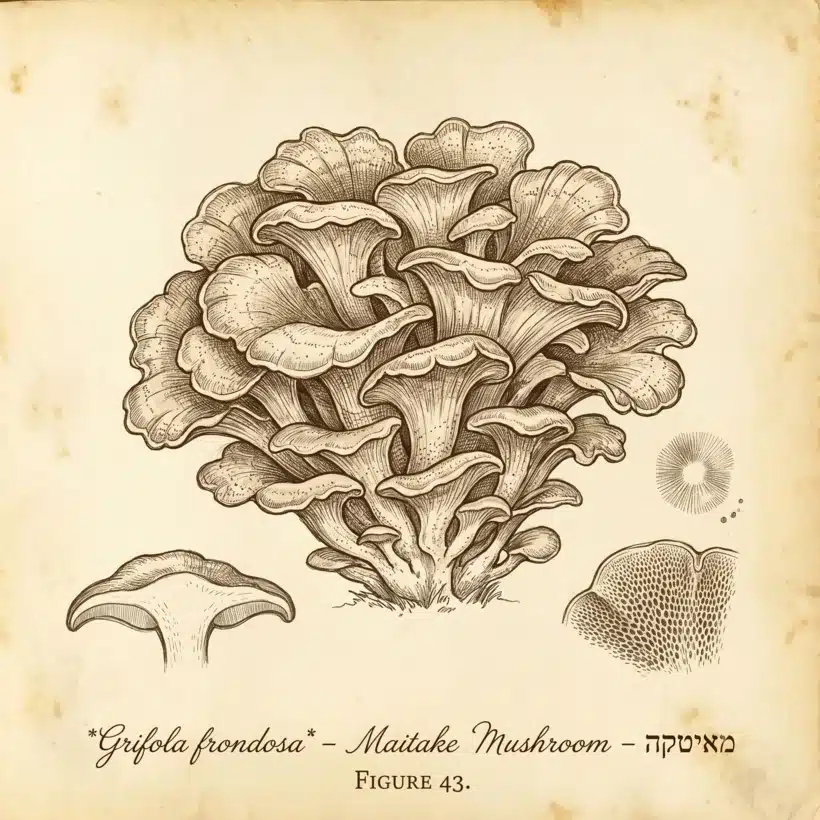
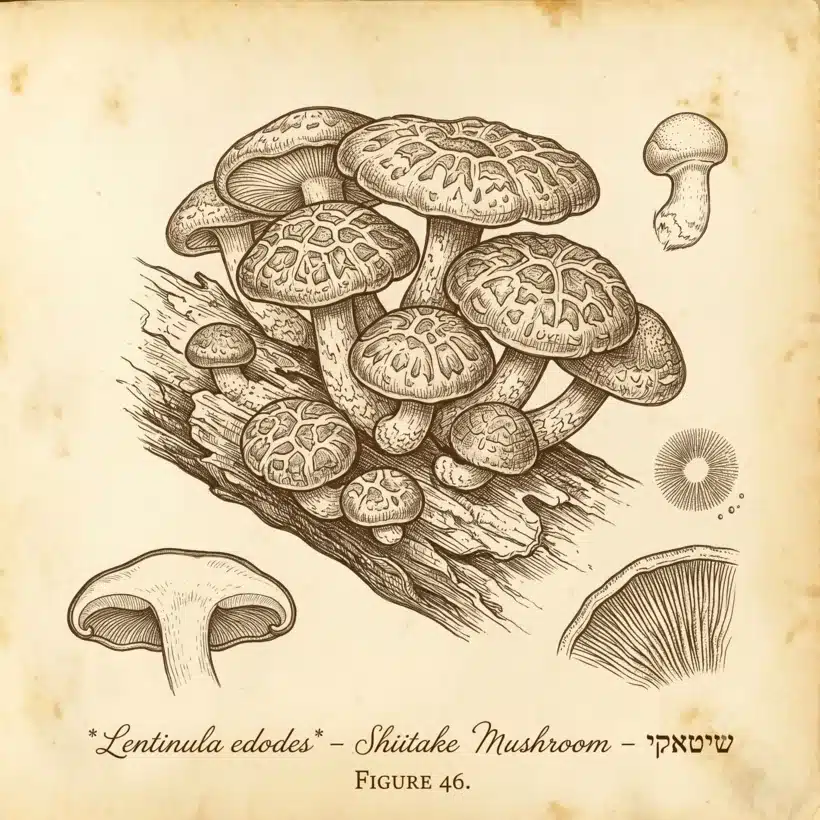
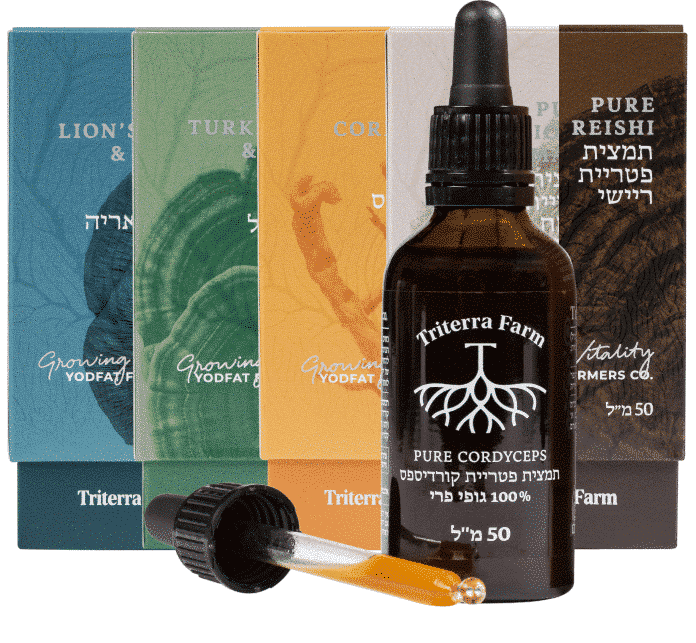
Each mushroom has its own compound profile and its own direction of research. Click to dive into the full science of each.

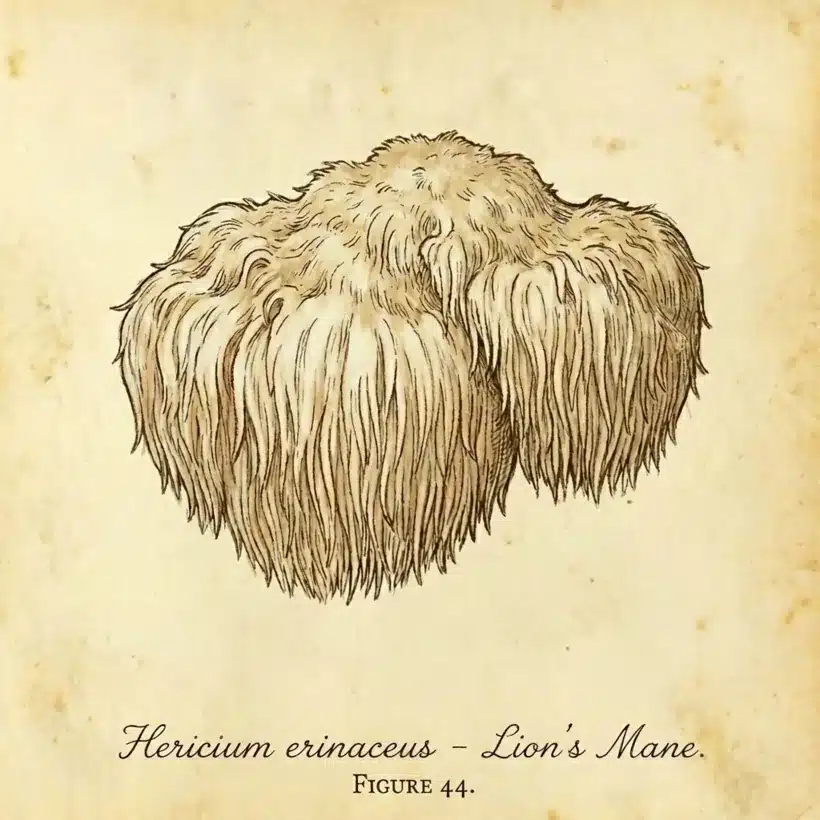
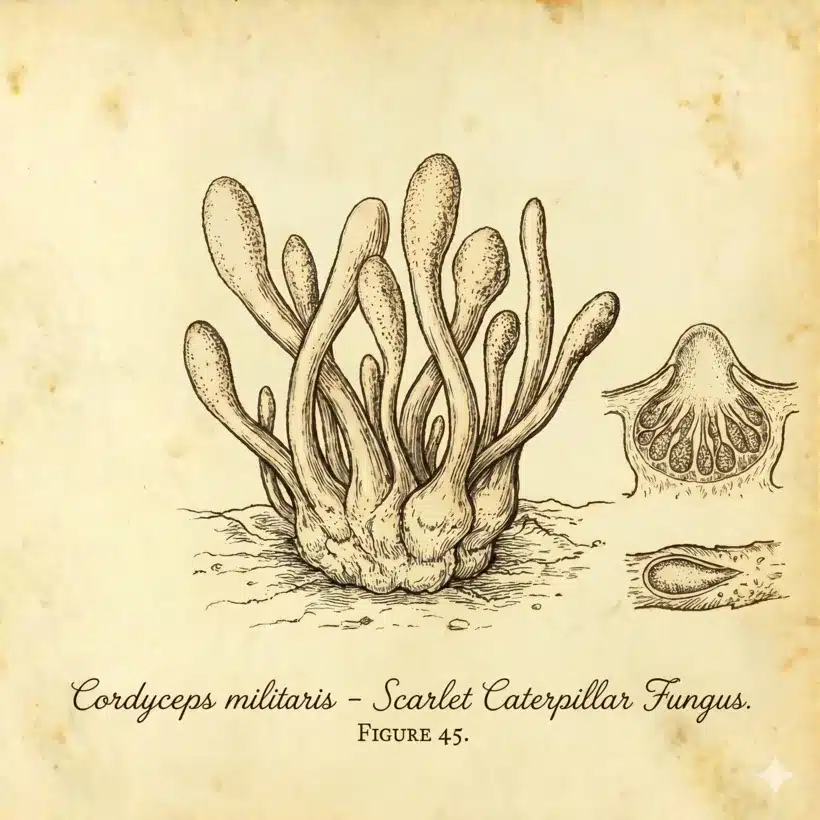
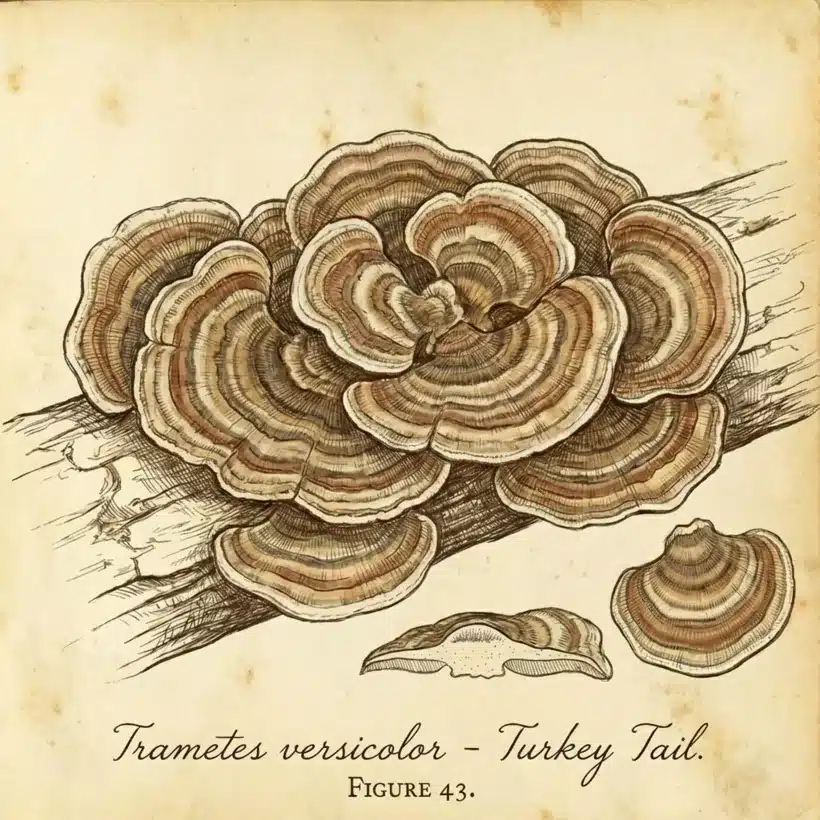
Functional mushrooms are an instruction manual for the body — not a command
We don’t believe in forcing the body. Functional mushrooms work differently: their natural compounds — β-glucans, triterpenes, polysaccharides — enter the body not to take over, but to give it information. They speak a language the body has known through millions of years of shared evolution, reminding it how to balance itself: to breathe deeper, recover better, adapt to stress, and find its own equilibrium.
The body is the one that heals itself. The mushroom only guides it home — and our job is to make sure the compounds that reach it are clean, precise, and verified down to the last detail.
Functional Mushrooms, Grown in Israel
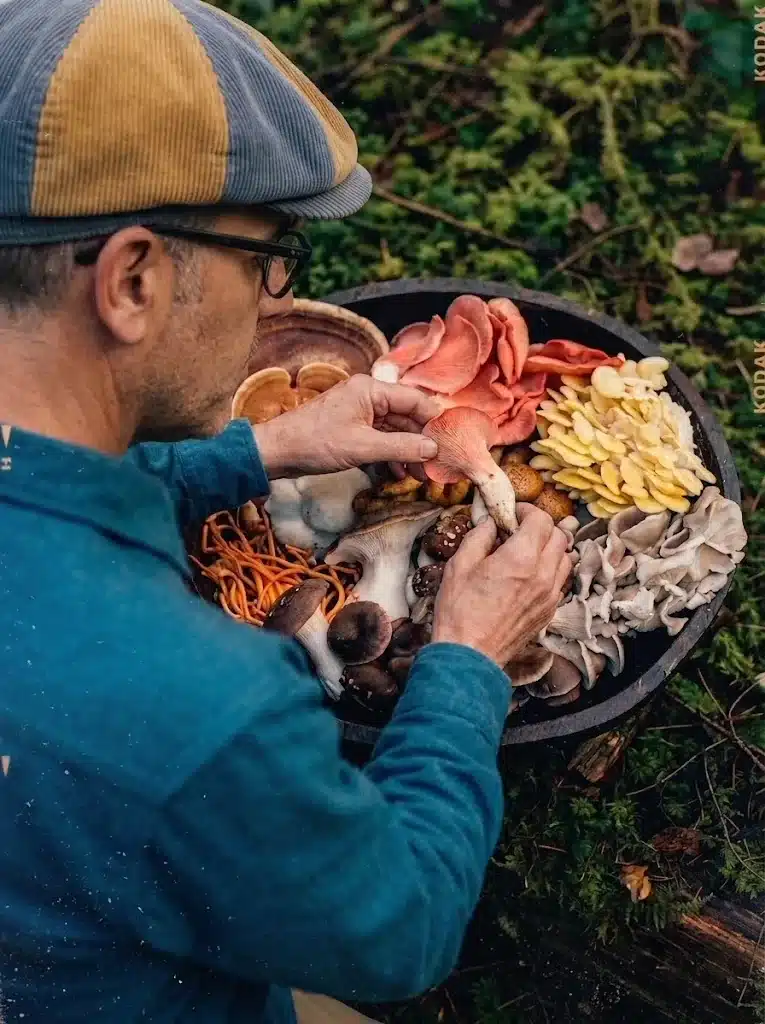
Here on our farm in Moran, in the Galilee — from the agar plate in the lab to the triple extraction — we grow every mushroom ourselves. Not imported, not re-bought: functional mushrooms grown in Israel, by our own hands, with visual proof at every stage.
It all starts with a clean strain in the lab
Before any fruiting bodies, we isolate and cultivate the strain on agar — a delicate stage that demands precision and complete sterility. This is the starting point of every extract: a clean, stable, vigorous strain from which everything else grows. Here is how it looks at our lab:
From agar to the growing substrate — through to the fruiting bodies
The isolated strain moves onto our precise substrate mix — a formulation we developed per strain to maximize potency, not just yield — and settles patiently until the fruiting bodies appear. This is the heart of our Israeli growing: a slow, controlled process, from Galilean soil straight to you.
This transparency isn’t incidental — it is the product. From the agar plate to the TÜV Austria COA, every stage here can be watched and verified. Functional mushrooms grown in Israel, where you can see exactly how and where they were grown — and trust the measured chemistry behind them.
Radical transparency — the numbers, not the promises
Most brands show a pretty picture of a mushroom. We publish the full external certificate for every extract — not a summary. Independent labs test potency and purity, and you’re invited to verify with them directly.
| Mushroom | β-glucan 1,3/1,6 | Certificate |
|---|---|---|
| Cordyceps | 28.16% | TÜV Austria |
| Reishi | 25.65% | TÜV Austria |
| Lion’s Mane | 23.93% | TÜV Austria |
| Turkey Tail & Reishi | 23.21% | TÜV Austria |
Beyond β-glucan: a 610-pesticide screen, heavy metals by ICP, and PAH — all at VELTIA (Tentamus Group). Lead, arsenic and mercury: not detected across all products.
See all lab certificates →Alpha-glucan vs beta-glucan — how the numbers reveal purity
“Glucan” isn’t one word. There are two kinds — and they tell opposite stories:
The active compound
The bioactive polysaccharide (1,3/1,6) found in the fruiting body. It’s what research examines — and what you’re actually paying for.
Basically — starch
Amylose and amylopectin: starch. It comes from the grain that cheap mycelium is grown on, filling the jar — with no functional value.
| β-Glucan 1,3/1,6 — the active compound | 28.16% |
| Amylose (starch · alpha) | <DL |
| Amylopectin (starch · alpha) | <DL |
| Glucomannan · Pectin · Fructans | <DL |
| Total Polysaccharides | 28.16% |
That’s why we publish not just the β-glucan, but the full breakdown — because real purity is measured also by what is not inside.
How to choose a quality functional-mushroom extract
Fruiting body, not mycelium
Make sure it says “fruiting body”. “Mycelium on grain” = mostly starch, with a low β-glucan concentration.
A real β-glucan number
Look for a measured β-glucan percentage — not “total polysaccharides” (which includes starch). 25%–40% is the quality range.
Extraction (ideally triple)
Chitin locks the compounds in. Water + alcohol extraction releases both the water-solubles and the triterpenes.
A certificate you can check
Not a marketing summary — a signed lab report with a certificate number. If you can’t verify it, it’s a promise, not proof.
What are you looking for? Let’s start from your need
Every goal and the mushroom studied for it — with the matching product or complex. This is the place to start if you’re still deciding.
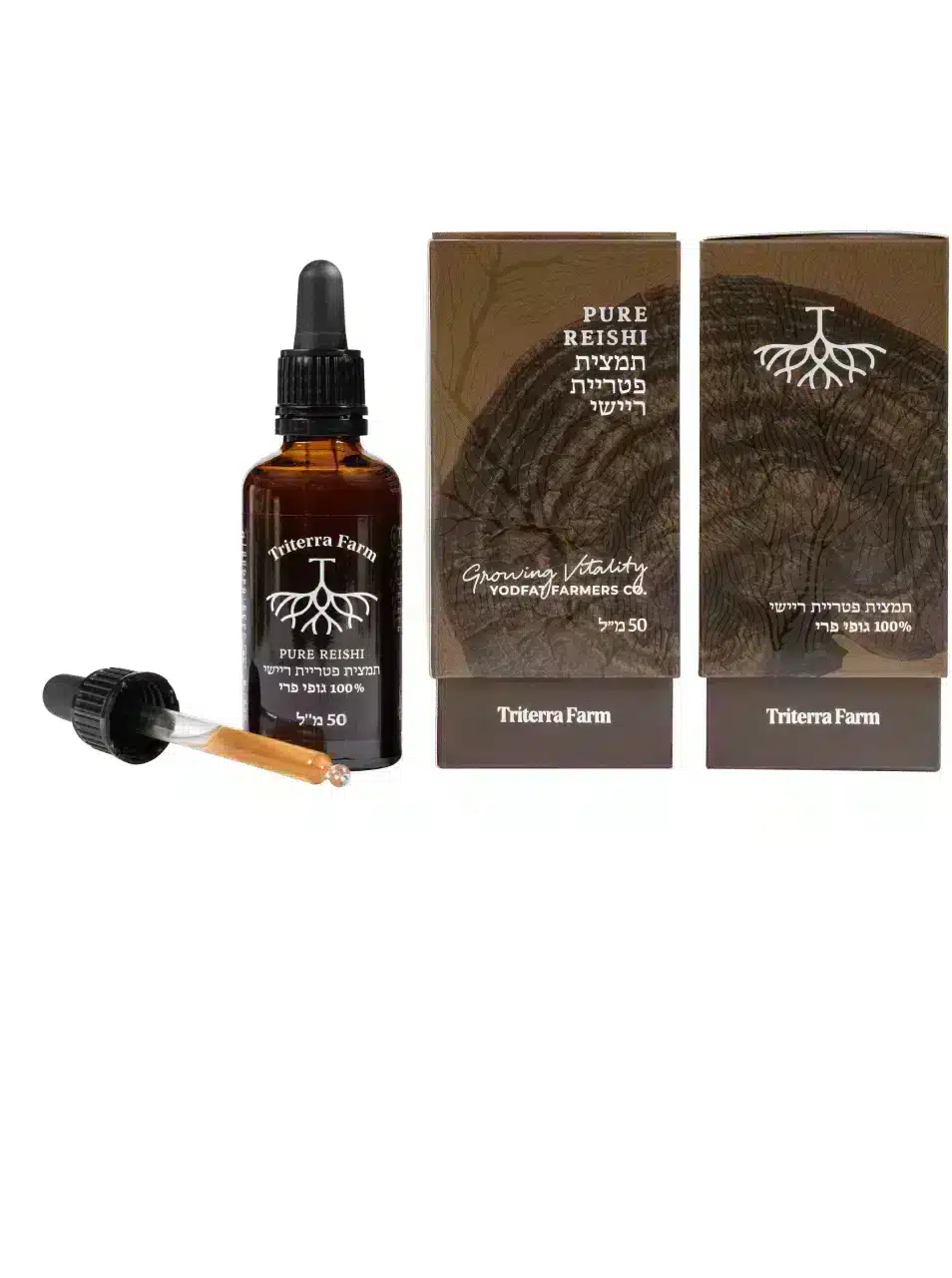
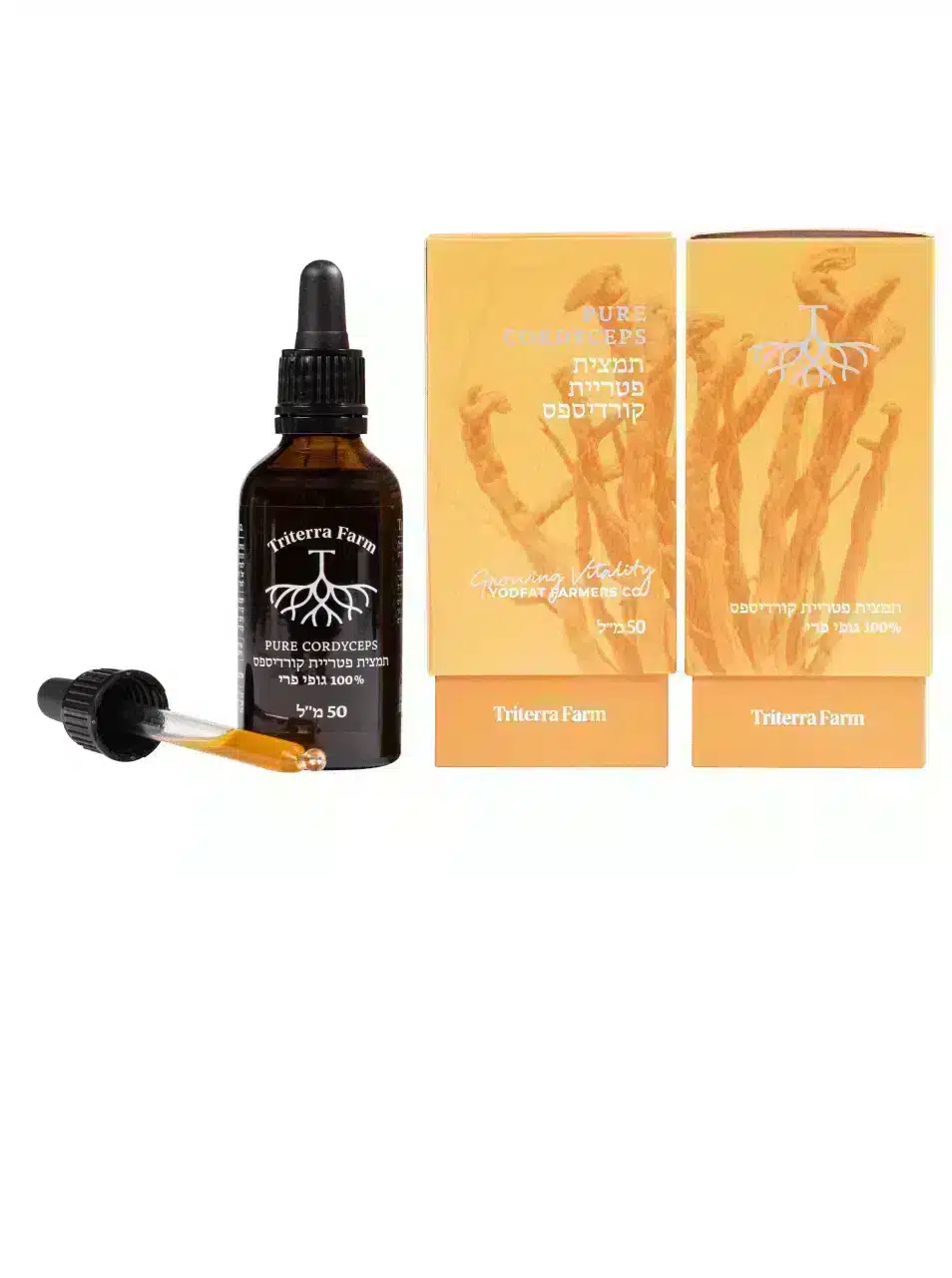
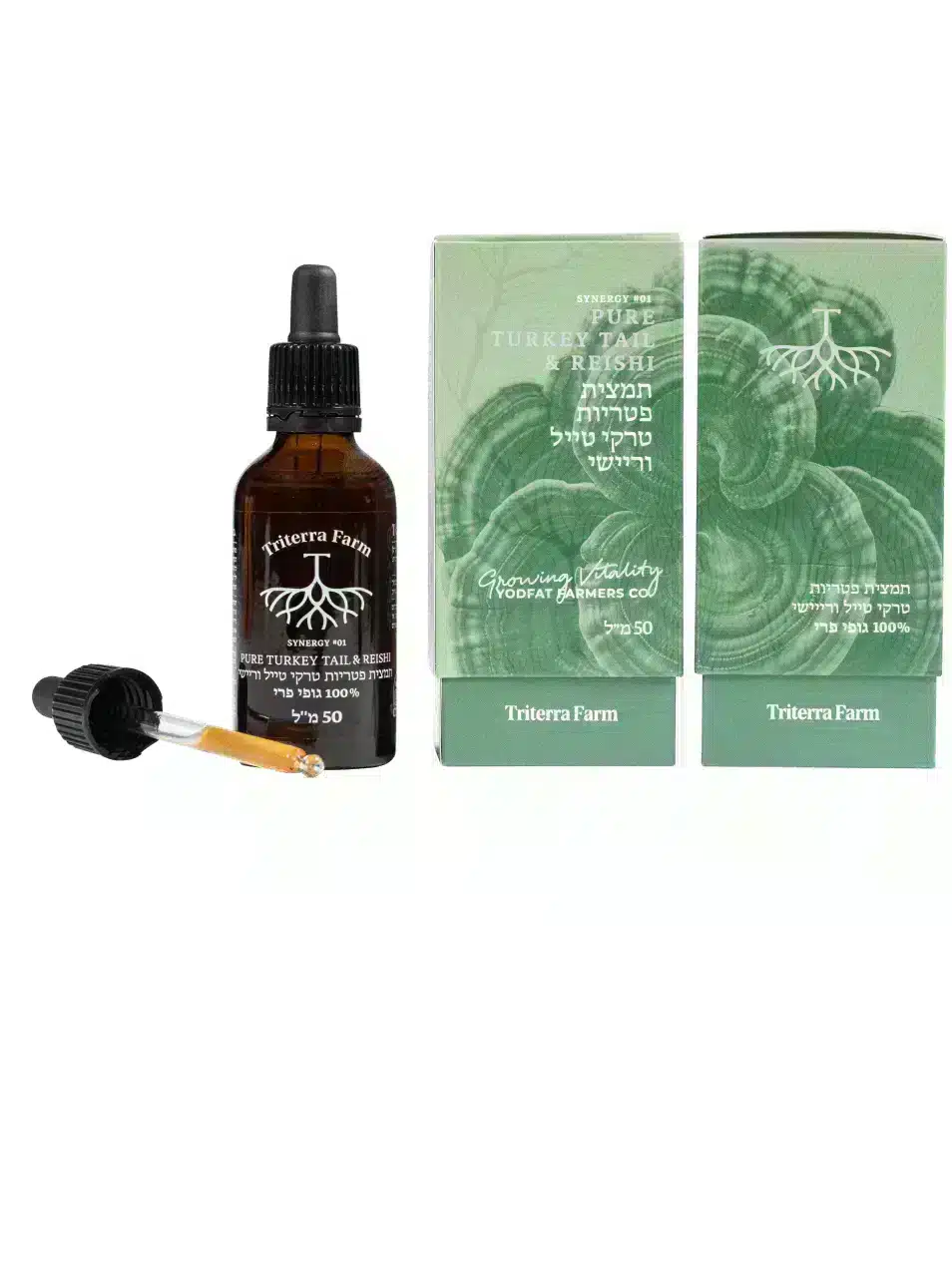
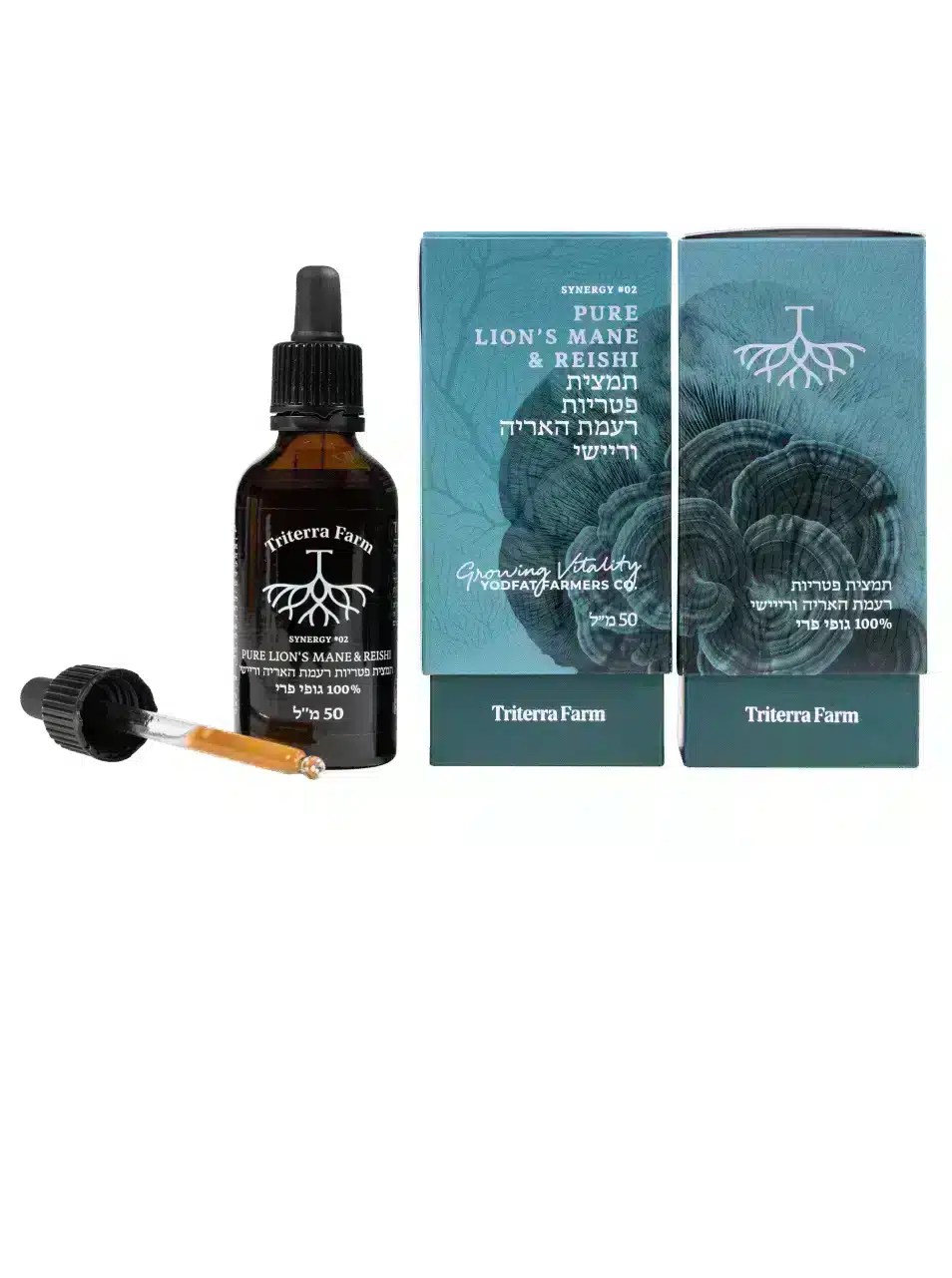
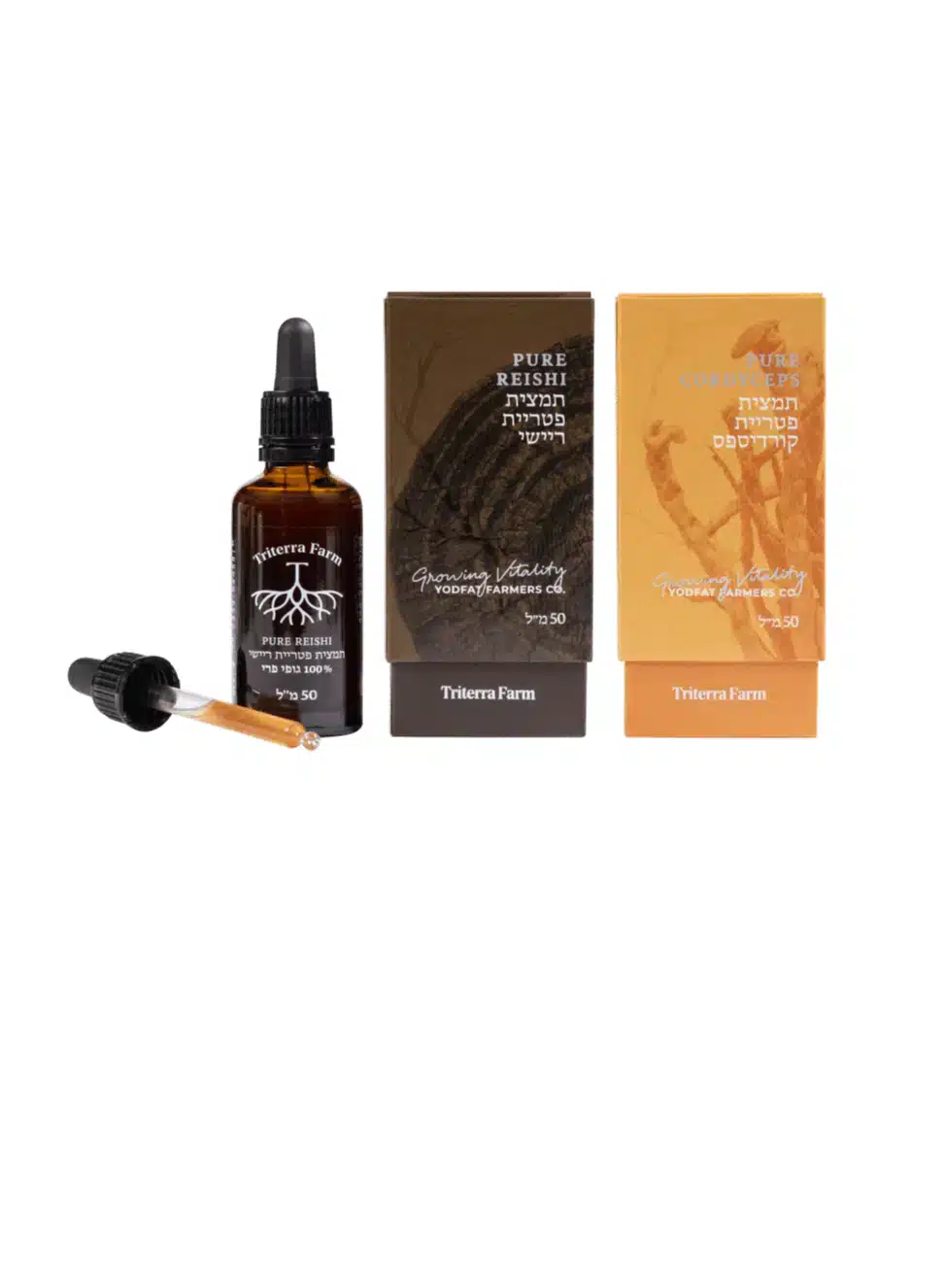
Functional Mushrooms — Triple-Extracted, Lab-Verified
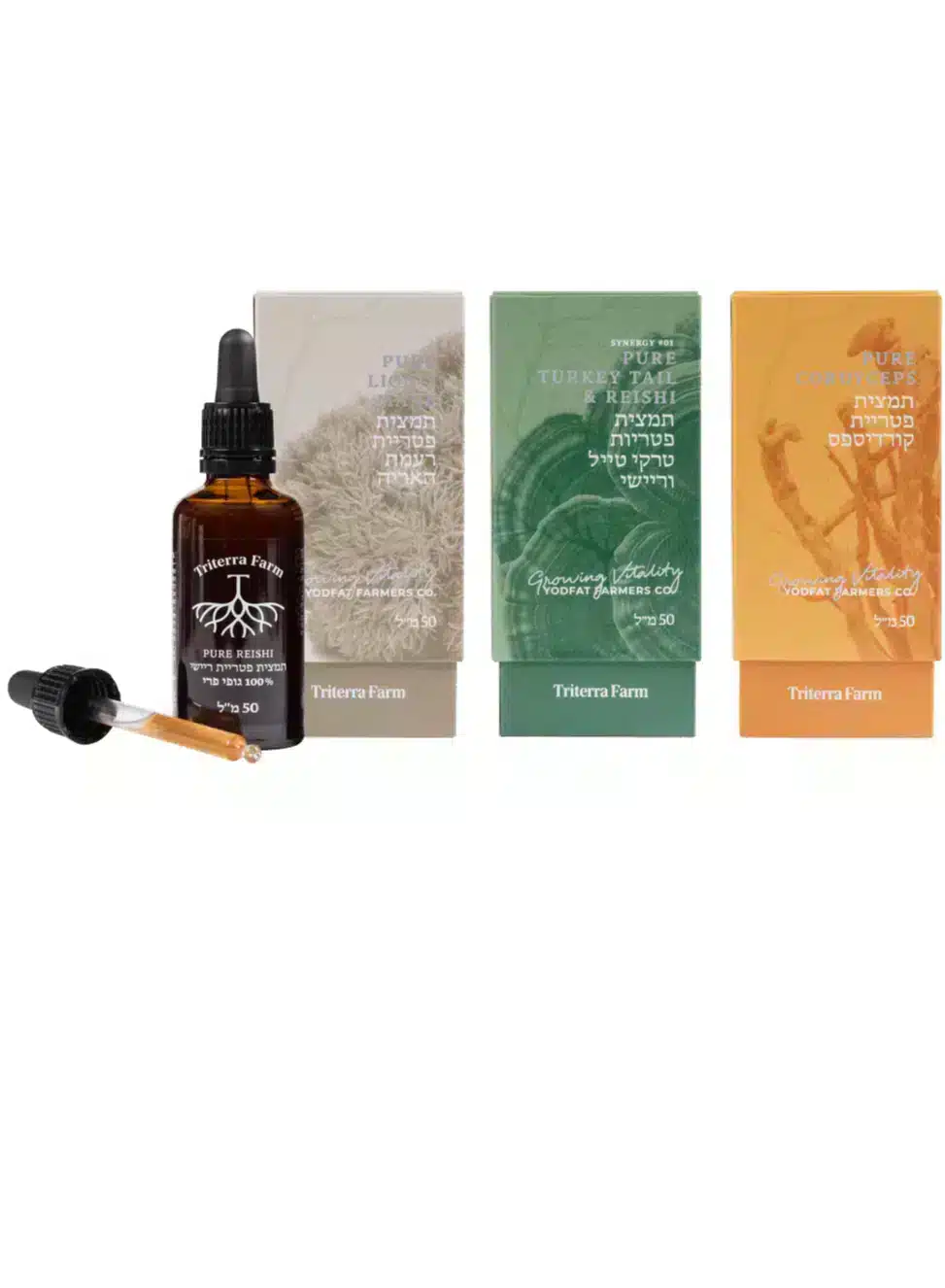
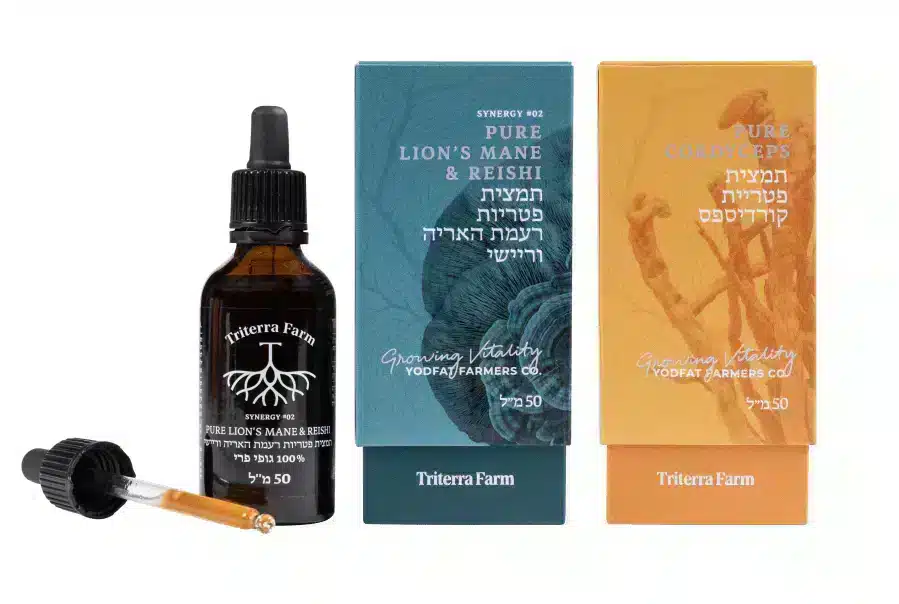
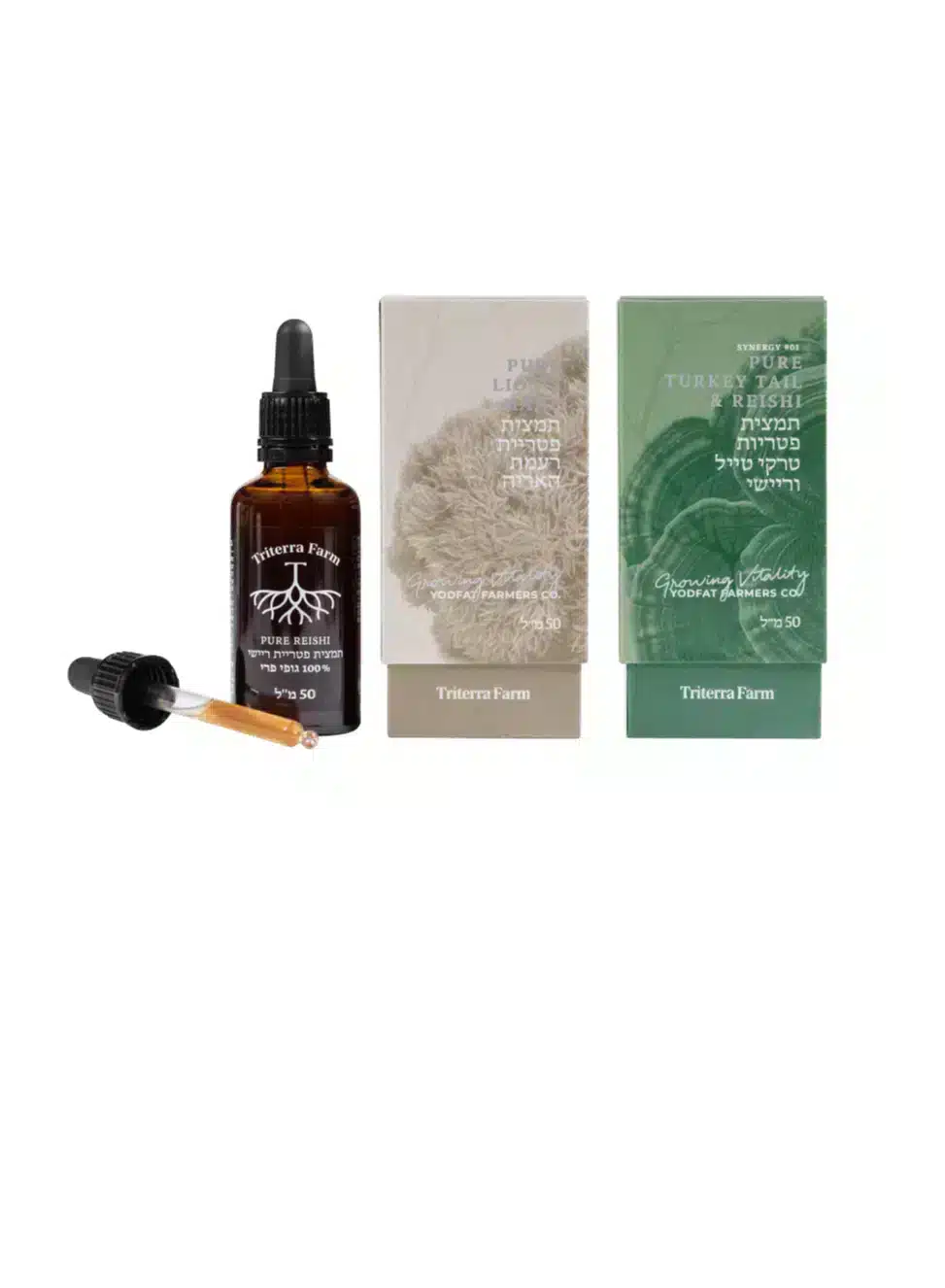
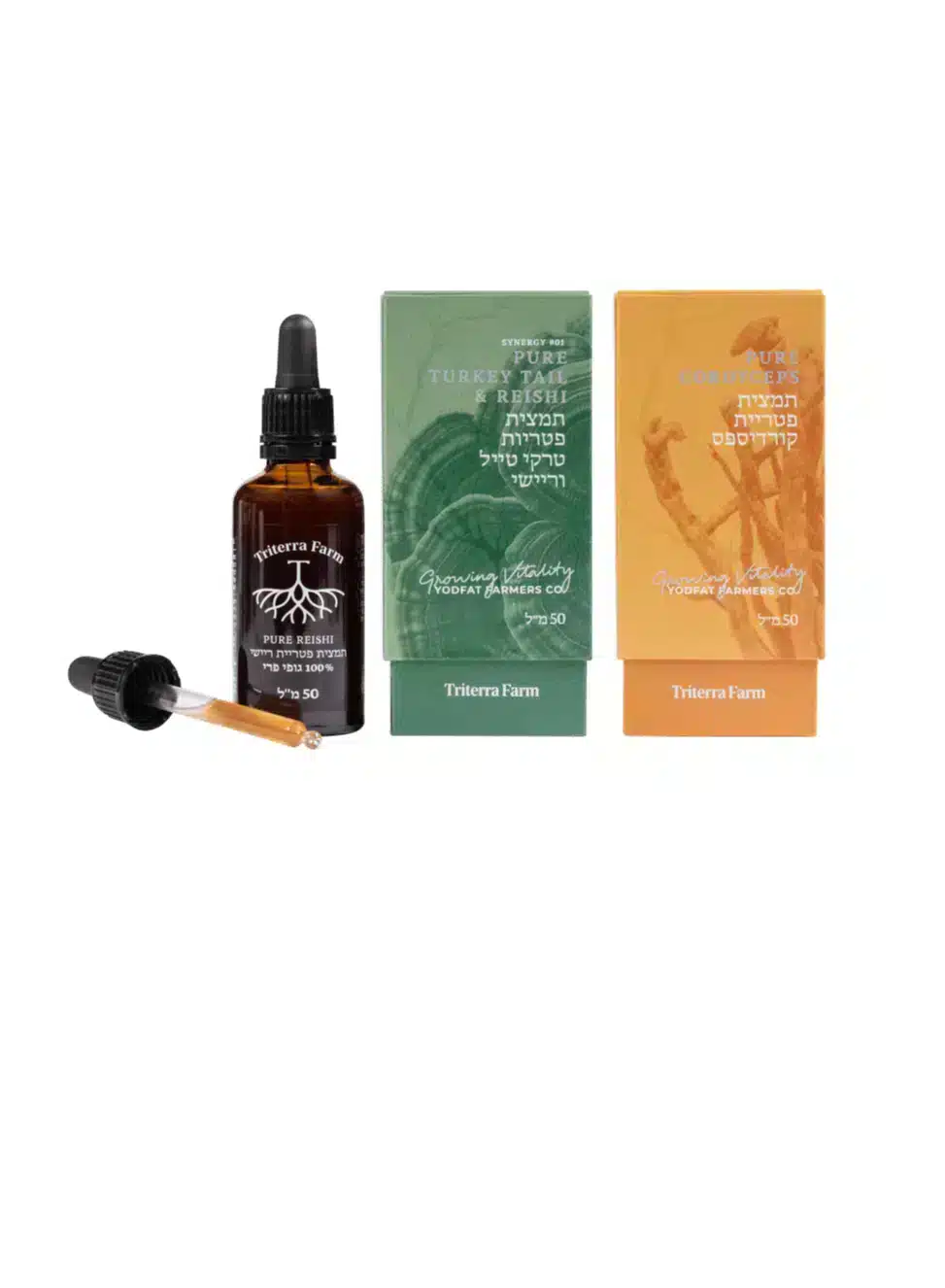
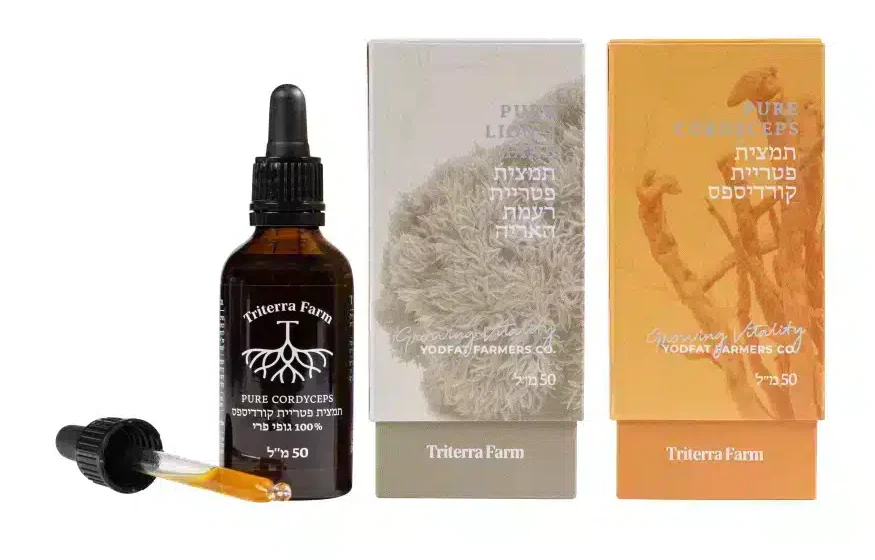
100% fruiting bodies, triple extraction, and a full COA for every extract. Choose a single mushroom or a complex.

What most people ask
What’s the difference between functional mushrooms and culinary mushrooms?
Why does the extract need to come from the fruiting body and not mycelium?
What is β-glucan, and why does everyone talk about it?
How do I know your numbers are real?
How much functional-mushroom extract should I take per day?
What is titration, and why does it matter so much?
When is best to take them — morning or evening?
With food or on an empty stomach?
How long until I feel an effect?
Can I combine several functional mushrooms together?
Which mushroom is best for energy and endurance?
Which mushroom is best for focus, memory and concentration?
Which mushroom is best for calm and better sleep?
Which mushroom for immune support?
Are there side effects to functional mushrooms?
Functional mushrooms and medications — is there an interaction?
Can I take them during pregnancy or breastfeeding?
Are functional mushrooms addictive?
Are your extracts vegan and kosher?
Functional Mushrooms: Featured Guides from Our Lab
Want to go deeper? Here are our most-read guides on functional mushrooms — dosage, safety, quality and science.
Ready to find your mushroom?
Answer a few short questions and we’ll match you the right extract — with the numbers behind it.
Take the matching quizThe information on this page is an educational review of a field of research and does not constitute medical advice. Functional mushrooms are a dietary supplement, not a drug. These statements have not been evaluated by the Food and Drug Administration. This product is not intended to diagnose, treat, cure, or prevent any disease. It is not a substitute for consulting a physician. If you are pregnant or nursing, taking medication, or under medical care — consult your physician before taking any supplement.
New at Triterra: Medicinal Mushroom Guides
Guides and articles we published recently — for going deeper.
- Multiple Sclerosis and Supplements: Mushrooms and MS DrugsRead
- Polymyalgia Rheumatica Supplements & Prednisone: The EvidenceRead
- Blood Thinners and Medicinal Mushrooms: What Was MeasuredRead
- Psoriasis Natural Treatment: Mushrooms, Adalimumab, MTXRead
- Crohn's and Colitis, Diet and Supplements: What Was MeasuredRead
- Lupus Natural Treatment and Supplements: What About PlaquenilRead
- Hashimoto's Natural Treatment: Mushrooms and LevothyroxineRead
- Chronic Urticaria and Mushroom Allergy: What Was MeasuredRead
