
Reishi and Cholesterol: What the Research Actually Shows — and the “Natural Statins” Story
- In controlled human trials, reishi did not significantly change total cholesterol, LDL or HDL, according to the Cochrane review.
- In animal models reishi did lower blood lipids, but at doses of several percent of the whole diet that no extract comes close to.
- Oyster mushroom contains lovastatin only in trace amounts; matching a single tablet would take kilograms of dried mushroom.
- Red yeast rice is the one natural statin that actually works, which is exactly why Europe regulates it like a drug.
- Reishi is not a substitute for cholesterol medication, and anyone on a statin should tell their physician before any supplement.
Reishi (Ganoderma lucidum — lingzhi in Chinese medicine, mannentake in Japan) is a medicinal polypore mushroom whose triterpenes and beta-glucans are studied in the context of blood lipids. Does it lower cholesterol in people? The controlled human trials say no: the 2015 Cochrane review pooled five randomized trials (398 participants) and found total cholesterol changed by −0.07 mmol/L and LDL by +0.02 mmol/L — its conclusion was that the evidence “does not support the use”.
A 2025 meta-analysis of 17 trials (971 people) found no effect on the lipid profile either. In animals the picture is different and strong, which is why the question stays open. And the “natural statins in mushrooms” story now circulating is chemically true and nutritionally meaningless: the lovastatin in oyster mushroom reaches about 1.4 mg per kilogram of dry mushroom at best, and in some samples it is not detected at all.
Why this page is different from what the web says. This week a competitor published “natural statins in medicinal mushrooms” — no numbers, no citations. Our own post from February 2026 (kept below, in the gray boxes) was warmer and vaguer than the evidence deserves: it said “results are not uniform” when the honest sentence is “the controlled trials in people are null”. We also sell reishi extracts; the only fair way to write about reishi and cholesterol is to show the human trials as clearly as the animal ones, and to say how much lovastatin is actually in a mushroom.
Key takeaways
- Reishi in people: Cochrane 2015 (5 RCTs, 398 people) — total cholesterol −0.07 mmol/L, LDL +0.02; Klupp 2016 (n = 84, 3 g/day, 16 weeks) — null; Jafari 2025 (17 RCTs, 971 people) — no lipid effect, very-low certainty. Two small crossover studies saw a “trend” only.
- Reishi in animals: 49 studies pooled — LDL standardized mean difference −2.03; minipigs on a 2.5% reishi diet — LDL −27%. Doses were 2.5–5% of the whole diet, a scale no tincture approaches.
- “Natural statin”: oyster mushroom does contain lovastatin — at most about 1.39 mg per kg of dry mushroom, and “not detected” in other samples. A 20 mg tablet equals roughly 14 kg of dry mushroom. Shiitake’s compound is eritadenine, not a statin; a shiitake water extract “contained no statins”.
- The one natural statin that works: red yeast rice — monacolin K, chemically identical to lovastatin. EFSA could not identify an intake free of safety concerns; severe adverse effects were reported at 3 mg/day. That is why it is regulated like a drug.
- With statins: reishi polysaccharide inhibited CYP3A in rat liver microsomes; simvastatin, atorvastatin and lovastatin are CYP3A4 substrates. No human interaction study exists — tell your physician or pharmacist before adding any mushroom supplement.
Does reishi lower cholesterol?
Not in the controlled human trials done so far. The 2015 Cochrane review of five randomized trials (398 adults with type 2 diabetes, 1.4–3 g reishi per day for 12–16 weeks) found total cholesterol −0.07 mmol/L and LDL +0.02 mmol/L versus placebo — no difference. A 2025 meta-analysis of 17 trials (971 people) found no effect on the lipid profile. In animals, reishi lowers lipids consistently; in people, it has not been shown to.
That is the sharp version of the answer our original post circled around. We wrote it in February 2026 as a warm introduction to a question many readers arrive with after one phone call — and we are keeping it here, because the question and the caution in it were right; only the evidence needed to be laid out in full.
It usually starts with a short phone call from the clinic, or a terse text message that makes your heart skip a beat (and not for the good reasons). The doctor looks at your blood-test results, slides the glasses down to the tip of the nose, and says the phrase we all dread to hear after a certain age: “There’s cholesterol.”
Suddenly the yellow cheese looks like public enemy number one, and butter becomes a distant memory. You find yourself wandering the supermarket aisles, reading food labels as if they were nuclear codes, and wondering whether your fate is to live on lettuce and water forever.
In anything related to your cholesterol levels — including any medication or supplement — the decision belongs to you and your treating physician. This article is not a substitute for medical advice; it is a review of what research explores. And within this field of interest there is a familiar-yet-new player worth knowing: the reishi mushroom, which arrived not from a sterile lab in Germany but from the heart of the forest, with a history spanning several thousand years in Chinese medicine.
So what does research actually explore regarding reishi and blood lipids? Which compounds in the mushroom are at the center of that inquiry? And how do you even consume this thing without feeling like you are chewing on a tree trunk? Let’s dive deep into the forest — carefully, and with facts.
What is a “natural statin” — and is there one in mushrooms?
A statin is a molecule that inhibits HMG-CoA reductase, the rate-limiting enzyme of cholesterol synthesis. Lovastatin — the first statin drug — is a fungal metabolite, and oyster mushrooms (Pleurotus) do make it, as Gunde-Cimerman showed in the 1990s. The amount is the problem: modern LC-MS quantification found at most 1.39 mg per kilogram of dry mushroom, and another laboratory reported “lovastatin was not detected”. A 20 mg tablet would require about 14 kg of dry mushroom.
“Natural statin” is therefore a true sentence about chemistry and an empty one about nutrition. The 1995 analysis of Pleurotus ostreatus fruiting bodies found the compound mostly in the caps, mature gills and spores, less in the stems — and its abstract gives no milligram figure; the extreme numbers sometimes quoted online come from full-text extrapolations, not from any measured intake. Below is where the “natural statin” sources actually stand, with the numbers from the papers.
| Source | Compound | How much is there | Human trial result | Where it stands |
|---|---|---|---|---|
| Oyster mushroom (Pleurotus ostreatus) | Lovastatin (mevinolin) — a true statin | Highest value in a 2021 LC-MS study: 1.39 ± 0.014 mg/kg dry (Agaricus; Pleurotus lower). A 2015 study: “not detected”. | Double-blind RCT 2026 (n = 46, 8.4 g powder/day, 4 weeks): no effect on LDL or other lipids. Single-arm 2011 (n = 20, 15 g/day, 8 weeks): non-HDL cholesterol 204.5 → 200.2 mg/dL. | Trace amounts; not a dose |
| Shiitake (Lentinula edodes) | Eritadenine — inhibits S-adenosylhomocysteine hydrolase (Ki 30 nM), not HMG-CoA reductase. Water extract “contained no statins”. | Abstracts give no mg/g figure; strains vary up to 10-fold. | Double-blind RCT 2021 (n = 68, 66 days): triglycerides −10%, no LDL change; 10% of participants had dermatitis. 3.5 g shiitake β-glucan/day, 8 weeks (n = 52): no lipid change. | Not a statin; TG-only signal |
| Reishi (Ganoderma lucidum) | Oxygenated lanosterols and ganoderic acids | No statin. In human liver cells the block sits between lanosterol and lathosterol (lanosterol 14α-demethylase) — downstream of HMG-CoA reductase. | Cochrane 2015: total cholesterol −0.07 mmol/L, LDL +0.02. Jafari 2025: no lipid effect. | Not a statin mechanism; null in people |
| Red yeast rice | Monacolin K — chemically identical to lovastatin | Severe adverse effects reported at intakes as low as 3 mg/day; 10 mg/day “raises significant safety concerns” (EFSA 2018). | Works — because it delivers a statin dose. | Regulated like a drug |
| Lovastatin tablet (for scale) | Lovastatin 20 mg | ≈ 14 kg of dry mushroom at 1.39 mg/kg | A prescription medicine | A drug, by definition |
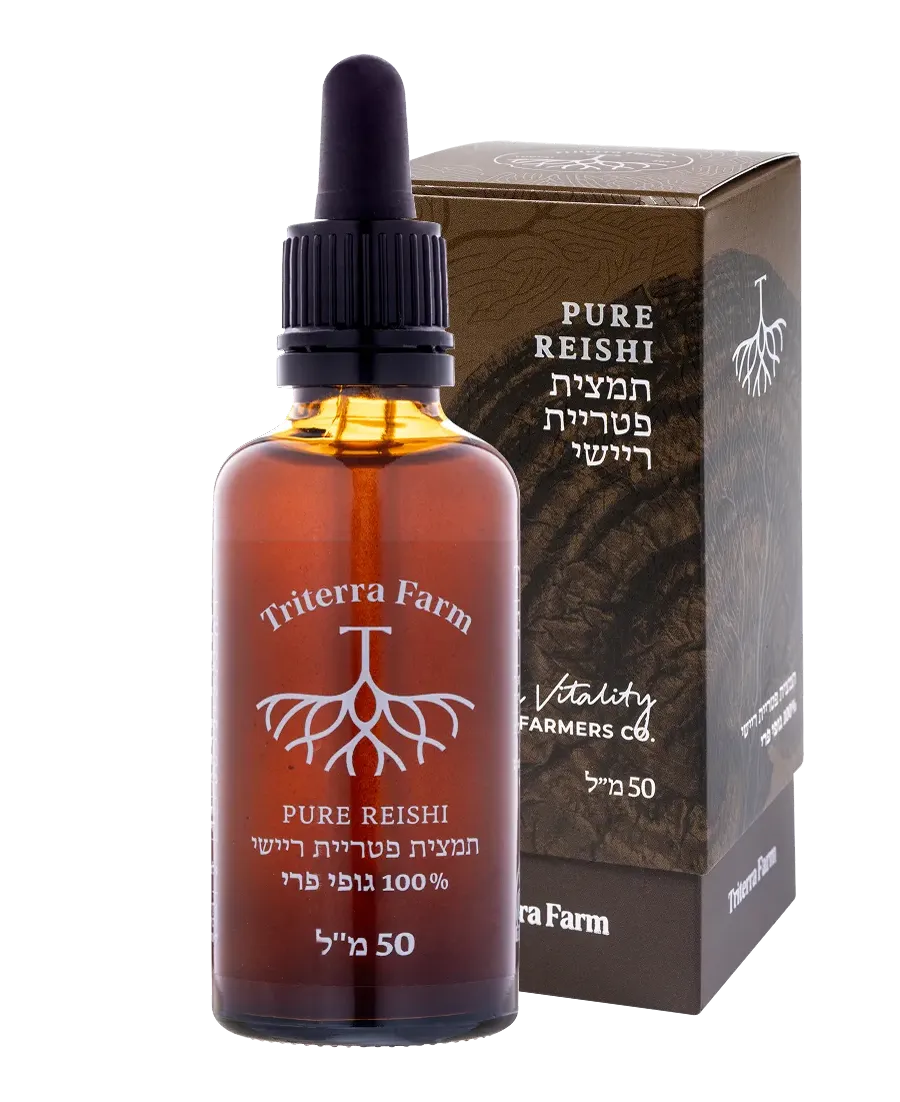
What is in the bottle — with no cholesterol claim: Reishi — fruiting-body extract, 25.65% beta-glucan on a dry basis (TÜV Austria), 1:3 ratio, seven weeks in alcohol, 100-day trial. Reishi suits a daily routine — Reishi for Calm and Stress and Reishi for Sleep; every goal at Medicinal Mushrooms by Goal · Triterra Farm. On a statin? Your physician first.
Does oyster mushroom lower cholesterol in people?
The best-designed trial says no. In 2026, a double-blind randomized trial gave 46 adults with moderately elevated LDL 8.4 g of oyster mushroom powder a day (3 g β-glucan) for four weeks: LDL did not move, and no other lipid did either. A 2020 systematic review of eight earlier trials concluded that oyster mushroom “may improve cardiometabolic health, but evidence for this is low”.
The earlier, positive-looking studies are the ones the review counted: an uncontrolled 24-day on–off study in 30 diabetic adults, and a single-arm study of 15 g freeze-dried oyster mushroom a day in 20 people on antiretroviral therapy, where non-HDL cholesterol went from 204.5 to 200.2 mg/dL and the authors themselves wrote that the change did not warrant further study. Triglycerides fell more (336.4 to 273.4 mg/dL), but that was not the primary endpoint. No blinding, small numbers, whole food by the kilogram — none of it transfers to an extract, and none of it is what “natural statin” implies.
What about shiitake — is eritadenine a statin?
No. Shiitake’s cholesterol-relevant compound is eritadenine, which inhibits S-adenosylhomocysteine hydrolase (Ki 30 nM) — a different enzyme and a different mechanism. In rats, purified eritadenine lowered plasma cholesterol by 42%. A 2016 study found that a shiitake water extract inhibited HMG-CoA reductase activity in vitro “but contained no statins”, and in mice serum cholesterol did not fall.
In people the shiitake evidence is thin: a 66-day double-blind trial of shiitake bars in 68 adults with borderline-high cholesterol found triglycerides down 10% and no significant LDL or total-cholesterol change — with 10% of participants developing the known shiitake flagellate dermatitis. Another trial gave 52 adults with high cholesterol 3.5 g of shiitake β-D-glucan a day for eight weeks and found “no significant differences in lipid- or cholesterol-related parameters” versus placebo. Shiitake is a fine food; it is not a statin, and its science is on our shiitake research page.
Why is red yeast rice — the one “natural statin” that works — regulated like a drug?
Because it contains a drug. Monacolin K, the active molecule in red yeast rice, is chemically identical to lovastatin. In 2018 the European Food Safety Authority reviewed the evidence and was “unable to identify a dietary intake” of monacolins from red yeast rice “that does not give rise to concerns about harmful effects to health”; individual severe adverse effects — rhabdomyolysis, liver injury — had been reported at intakes as low as 3 mg/day.
This is the honest end of the “natural statin” story. The only natural product that delivers a statin dose behaves like a statin — same benefit, same class of risk — and regulators treat it accordingly. A mushroom with 1.4 mg of lovastatin per kilogram cannot do the one thing red yeast rice does, which is also why it does not carry that risk. Anyone who wants a statin effect needs a physician, not a mushroom; anyone who takes a mushroom extract should not expect one.
Which compounds in reishi are studied in the context of cholesterol?
Two families: triterpenes (ganoderic acids and oxygenated lanosterols, which dissolve in alcohol) and beta-glucans (cell-wall fibers, which dissolve in water). The triterpene story is the more specific one: in human liver cells, four 26-oxygenosterols from reishi — ganoderol A, ganoderol B, ganoderal A and ganoderic acid Y — interrupted cholesterol synthesis between lanosterol and lathosterol, pointing to lanosterol 14α-demethylase. That is downstream of HMG-CoA reductase, so it is not a statin mechanism.
Our original post introduced both families the same way — including the sentence that the triterpene mechanism is “researched in the lab and in early models — not a final clinical proof”, which has held up well:
Now, let’s be serious for a moment. Why would an organism that grows on dead tree trunks be researched at all in the context of blood-lipid metabolism?
A large part of the scientific interest focuses on the chemistry of reishi (Ganoderma), a mushroom traditionally called “the queen of mushrooms.” Two families of compounds stand at the center of research in the context of blood lipids:
- Triterpenes: organic compounds that give reishi its characteristic bitter taste. Their molecular structure resembles, to a degree, that of cholesterol, and so researchers have examined how they interact with enzymes involved in cholesterol production in the liver. This is a mechanism researched in the lab and in early models — not a final clinical proof.
- Beta-glucans: soluble fibers in the mushroom’s cell walls. Beta-glucans from various sources are researched in the context of fat absorption in the digestive system, and this is one of the directions research explores with reishi as well.
When we talk about a quality reishi extract, we are really talking about an extract that concentrates the broad spectrum of these compounds. It is important to remember: reishi is also researched in the context of blood pressure and blood flow, but there too this is preliminary research, and the mushroom is not intended to diagnose, treat, or cure any medical condition.
What have the human trials on reishi and blood lipids actually measured?
Six pieces of evidence, all pointing the same way. Two small crossover studies in 2004 saw lipids “tend to decrease” without significance; a 12-week crossover in 26 people (2012) found lower insulin and a first-period triglyceride/HDL signal the authors could not fully analyze; an 84-person trial (2016) was null; the Cochrane review (2015) and a 17-trial meta-analysis (2025) found no lipid effect.
| Study | Who and how long | What was measured | What was found | What it does not mean |
|---|---|---|---|---|
| Wachtel-Galor 2004 (British Journal of Nutrition) | 18 healthy adults, 22–52 y; 1.44 g lingzhi/day (= 13.2 g fresh mushroom); 4 weeks, double-blind crossover | Blood lipids, antioxidant markers, liver and kidney safety | “No significant change in any of the variables” — a slight trend toward lower lipids; urine antioxidant capacity up; no toxicity | A trend in 18 people is not an effect |
| Wachtel-Galor 2004 (Int. J. Food Sciences and Nutrition) | 10 adults; 0.72 g/day for 10 days; acute doses of 1.1 g and 3.3 g | Plasma antioxidant capacity, lipids, uric acid | Antioxidant capacity +23 µmol/L at 90 minutes; lipids “tended to decrease, but changes were not statistically significant” | Ten days is a biomarker study, not a lipid trial |
| Chu 2012 | 26 adults with borderline hypertension and/or high cholesterol; 1.44 g/day; 12 weeks per period, double-blind crossover | Blood pressure, BMI, lipids, insulin, HOMA-IR | No change in BMI or blood pressure; insulin and HOMA-IR lower; in the first period only, triglycerides down and HDL up — “carry-over effects prevented complete analysis” | No LDL or total-cholesterol reduction; 12 weeks per period, not 26 |
| Klupp 2016 | 84 adults with type 2 diabetes and metabolic syndrome; 3 g/day reishi, or reishi plus Cordyceps, vs placebo; 16 weeks | HbA1c (primary), glucose, lipids, blood pressure | HbA1c difference 0.13% (p = 0.60); fasting glucose 0.03 mmol/L (p = 0.95); no secondary outcome, lipids included, improved | The reishi-plus-Cordyceps arm was null too |
| Cochrane review 2015 | 5 RCTs, 398 people with type 2 diabetes; 1.4–3 g/day; 12–16 weeks | Pooled lipids, HbA1c, glucose, adverse events | Total cholesterol −0.07 mmol/L (95% CI −0.57 to 0.42); LDL +0.02 mmol/L (−0.41 to 0.45); HbA1c −0.10%; adverse events RR 1.67 (0.86–3.24) | “Does not support the use” — the highest-grade evidence is null |
| Jafari 2025 meta-analysis | 17 RCTs, 971 people; 200–11,200 mg/day; 1–24 weeks | BMI, lipid profile, blood pressure, creatinine, heart rate | BMI −0.43 (95% CI −0.77 to −0.10); creatinine −0.14; no significant effect on lipid profile or blood pressure | GRADE certainty “very low across all outcomes” |
Two honest notes. First, the Chu signal is real as a signal — lower insulin and HOMA-IR after lingzhi than after placebo — but its lipid part appeared in one period of a crossover and the authors flagged it as incompletely analyzable; a version of that study that circulates online as “26 weeks” is wrong. Second, the Cochrane and Klupp trials were done in people with type 2 diabetes, and Jafari’s pool is heterogeneous — so “null” describes those populations and doses. Our original post said the same thing more gently; we keep it, because the measured number in it is still the one on our label:
We live in an age of skepticism, and rightly so. No one should take anything for granted. So what actually emerges from the research on medicinal mushrooms?
Preliminary studies — some in animals and some in humans — have examined the link between compounds in Ganoderma (reishi) and lipid metabolism, and in some cases reported changes in total cholesterol, LDL, and HDL. This is a developing body of knowledge: the results are not uniform, sample sizes are usually small, and this is not therapeutic proof. Reishi is not a substitute for cholesterol medication, and any decision about your treatment should be made with your treating physician.
What is fully within our control is the quality of the extract, and here we practice radical transparency. Every batch of Triterra extract comes with lab testing at an external, independent laboratory — from verifying it is free of heavy metals and contaminants, to an analysis of the concentration of active compounds. To illustrate, in TÜV testing we measured a beta-glucan concentration of about 25.65% in reishi (quality fruiting bodies range between 25%–40%, whereas mycelium-on-grain products usually contain less than 7%). The numbers are open — not a promise, but a measured figure.
Why does reishi work in animals but not (so far) in people?
Because the animal doses are enormous and the models are induced. A 2023 meta-analysis of 49 animal studies found large, consistent effects: LDL standardized mean difference −2.03, triglycerides −1.52, total cholesterol −1.51, HDL +1.03. In the classic feeding study, hamsters on a diet that was 5% reishi had total cholesterol −9.8%, and minipigs on 2.5% reishi had total cholesterol −20% and LDL −27% — with HDL down 18% and 11.2% respectively.
Two-and-a-half to five percent of everything an animal eats is not a supplement dose; for a person it would be dozens of grams of mushroom a day, every day, against a tincture dose of about 1.4 ml. The animals are also usually on a high-fat or genetically altered background that a person with mildly raised LDL does not share. The active fraction in those studies was the oxygenated lanosterol family — the same molecules that block synthesis in liver cells — so the biology is coherent; what is missing is any demonstration that it survives the step from a 2.5% diet to a human dose. That gap is the honest reason the question is “open” rather than “answered”, and it is not a reason to buy a bottle for your cholesterol.
Does mushroom beta-glucan lower cholesterol like oat beta-glucan?
Not in the trials that tested it. The authorized “beta-glucan lowers cholesterol” claim belongs to oat and barley (1→3,1→4)-β-D-glucan at 3 g a day. Mushroom beta-glucans are (1→3,1→6)-linked, and the two controlled trials at the same dose — 3 g/day from oyster mushroom for four weeks (n = 46) and 3.5 g/day from shiitake for eight weeks (n = 52) — changed no lipid parameter.
This matters for us specifically, because beta-glucan is the number we measure and publish: 25.65% of the reishi extract on a dry-matter basis. That figure tells you the extract is made from fruiting body and not from grain-grown mycelium (which sits under 7%); it does not tell you anything about your LDL, and we will not borrow the oat claim to suggest otherwise. What mushroom beta-glucan is actually studied for — immune modulation — is explained on our beta-glucan versus “polysaccharides” page.
Cordyceps, lion’s mane, turkey tail — what exists on blood lipids?
Animal studies only. Cordycepin from Cordyceps lowered total cholesterol, triglycerides and LDL in hamsters on a high-fat diet through AMPK activation; a Cordyceps polysaccharide reduced plaques and lipids in LDL-receptor-knockout mice. Lion’s mane extracts reduced serum and liver triglycerides in mice on a high-fat diet. There is no human lipid trial of either in PubMed, and the one human study combining reishi with Cordyceps (Klupp 2016) was null.
Our original post put the other mushrooms in their own words — as a team studied for different goals, not as cholesterol tools — and that framing was right:
Reishi is the mushroom researched in the context of heart health and cholesterol, but it is not alone. Nature created a whole team researched for supporting various aspects of health (general support, not treatment of a disease).
For example, if you feel a fatigue that makes physical activity harder, cordyceps is researched in the context of energy and physical function (ATP).
And if you are looking for general support for the immune system, turkey tail is a well-known ally. The combination of the different mushrooms creates a synergy in which the whole is greater than the sum of its parts. You can read more about each of them in our medicinal mushrooms overview.
Why Triterra in particular?
Because we do not just sell bottles. We are farmers at heart. We grow our mushrooms in sterile rooms, with no spraying, no chemicals, and with full control over every environmental condition. The growing is Israeli, rooted, and local — and every quality claim we make is backed by open transparency and lab testing.
Some mushrooms take us about 9 months from the start of growing to the final extract. This is not “fast food” of wellness. This is “slow food” at its best. We believe in processes, exactly like in nature.
Can reishi be taken with statins?
Unstudied in people — so ask your physician or pharmacist before adding it. The only mechanistic hint in PubMed is a 2007 rat study in which a reishi polysaccharide (50 and 200 mg/kg) dose-dependently inhibited CYP2E1, CYP1A2 and CYP3A activity in liver microsomes. Simvastatin, atorvastatin and lovastatin are metabolized by CYP3A4, so a theoretical interaction exists; no clinical interaction study has ever tested it.
“Theoretical and unstudied” is not the same as “safe”, and it is not the same as “dangerous”; it means nobody has measured it. If you take a statin, the practical sequence is simple: bring the bottle to the pharmacist, tell the physician who follows your lipids, and let them decide. Our drug-interactions page lists what is known for all four mushrooms we grow, and our side-effects page covers the rest.
Who are we, and why do we write about this?
We are a small farm in Hararit, in the Galilee, growing medicinal mushrooms since 2015 and extracting them fresh, without a drying step. We write about cholesterol because customers ask about it after a blood test — and because a page that shows the null trials next to the animal data will be trusted for the questions where reishi does have human evidence. Here is how it began, as we first told it:
Before we understand what is researched about reishi, it is worth knowing where it comes from. The story of Triterra Farm did not begin in some glass tower in Tel Aviv with PowerPoint presentations and rising graphs.
To be honest, it began from exactly the opposite direction. An escape.
We lived in Tel Aviv, and the city started closing in on us. The noise, the soot, the constant pressure. We were looking for an alternative to the kindergarten for Avshalom, my son, and we simply moved. We packed up the family and went north, to the foot of Mount Tabor. Suddenly, instead of the honking of buses, we were surrounded by mountains, valleys, and real soil.
Avishag, my partner in life and in the journey, began dragging me out to the forests to forage. At first I did not understand what we were looking for, but then I met them. The mushrooms.
It was a defining moment. I found myself on all fours inside a thorny fern, smelling the decay of the forest, the mycelium hiding beneath the pine needles. It awoke in me an ancient instinct to “hunt,” only without harming a single living creature. When we went into the Corona lockdown, I broke through a wall under the parking area of our home in Hararit. I told myself: “This is where I grow.”
There, in the belly of the Galilee’s soil, the roots of what we do today sprouted. We are not just a factory, we are an atelier of medicinal mushrooms. We live it, we breathe it, and we understand that every mushroom has its own personality and its own strength. If you are new to this world, it is worth starting with our complete guide to medicinal mushrooms.
Why does extraction decide what reaches the blood at all?
Because the two compound families studied in the context of lipids live on opposite sides of a solvent line. Triterpenes and oxygenated lanosterols dissolve in alcohol; beta-glucans dissolve in water; both sit inside chitin cell walls that human digestion opens poorly. Our triple extraction runs three sequential phases — cold water, then seven weeks in alcohol, then hot water under pressure — on fresh fruiting bodies at a 1:3 ratio for reishi.
This is exactly where our expertise at Triterra Farm comes in. Many people think that if they buy mushroom powder and toss it into a shake, they are all set. Well, not exactly.
The mushroom’s cells are wrapped in a substance called chitin. The human digestive system cannot break down chitin efficiently. This means that if you eat the mushroom as is, a significant part of the active compounds may stay locked inside and leave the body exactly as it went in.
To release the compounds, you have to extract them. But here too there is a catch.
Triple Extract: how we release the full spectrum
Remember the triterpenes and the beta-glucans? The triterpenes dissolve mainly in alcohol, while the beta-glucans dissolve mainly in water.
If you make only tea, you get beta-glucans but miss the triterpenes. If you make only an alcohol soak, you miss the beta-glucans.
At Triterra we developed an extraction method called Triple Extract. The process lasts more than 6 weeks and combines traditional techniques with modern knowledge, in order to extract the entire spectrum of the mushroom — both what dissolves in water and what dissolves in alcohol. The result is an available, concentrated, and uniform reishi extract.
One caution that belongs here: a good extraction changes what is in the bottle, not what the trials found. The human trials above used 0.72–3 g of dried lingzhi a day; an extract concentrates the same molecules, and no trial has shown that concentrating them turns a null result into a positive one. How ratio and extraction actually work is on our extraction-ratio page and fresh-versus-dried page.
Is cholesterol just a number — or is the body a system?
A blood test is a number, and the reason people take reishi is usually not that number. In the human trials, what moved was not LDL but insulin and HOMA-IR (Chu 2012), BMI (Jafari 2025) and urine antioxidant capacity (Wachtel-Galor 2004) — small, scattered signals. Reishi’s day-to-day use is about calm, sleep and routine; that is the goal to take it for, with the lipid question left to your physician.
One of the common mistakes is to think of the body as a machine in which you fix a single part. But the body is a whole system, and that is also how research advances — carefully and in broad context.
Reishi is traditionally known as an adaptogen — a plant associated in tradition and in research with support for the body’s general balance, including a sense of calm, sleep quality, and balanced immune-system function (structure-function support, not treatment of a disease).
If you feel that stress is a significant factor in your life (and who among us has none?), some people combine lion’s mane and reishi — lion’s mane is researched in the context of mental clarity, and reishi in the context of calm and balance.
What this page does not say — and what we do not claim
We do not say reishi lowers cholesterol — the controlled human trials say it has not been shown to. We do not say any mushroom is a “natural statin” — the lovastatin in oyster mushroom is a trace, and none of the four mushrooms we grow contains a meaningful amount. We do not transfer the −27% LDL from minipigs to people, we do not borrow the oat beta-glucan claim, and we do not say reishi is “safe with statins”, because no one has studied it.
What we do measure is measured on the finished extract, by an independent laboratory, and says only what is in the bottle:
| Extract | Beta-glucan (dry basis) | Alpha-glucan (starch) |
|---|---|---|
| Cordyceps | 28.16% | Not detected |
| Reishi | 25.65% | Not detected |
| Lion’s mane | 23.93% | Not detected |
| Turkey tail + reishi | 23.21% | Not detected |
Tested at TÜV Austria on the finished extract, on a dry-matter basis; the certificates are open. “Alpha-glucan not detected” is the chemical proof that there is no grain in the bottle. How to read such a report line by line is in “How to read a lab report (COA)”, and what the extraction ratio does and does not tell you is explained separately. A beta-glucan percentage is a statement about the extract — never about your cholesterol.
Came for cholesterol — and what reishi is actually taken for is something else. If your goal is a calmer evening routine, better sleep quality and daily balance, our reishi extract is made from fresh fruiting bodies grown on our farm in the Galilee — about 16.7 g of fresh mushroom in every 50 ml, extracted in three phases with a seven-week alcohol stage, 25.65% beta-glucan on a dry basis, tested at TÜV Austria. It is not a substitute for your cholesterol care, and it does not replace any medication. 100-day trial, free shipping over ₪285, 10% club discount plus a quantity discount. Not sure which mushroom fits your goal? The matching quiz takes two minutes. Reishi extract Take the quiz All extracts
The bottom line
Reishi and cholesterol: strong in animals, null in the controlled human trials, mechanism real but not a statin’s. “Natural statins in mushrooms”: chemically true, nutritionally meaningless — 1.39 mg per kg of dry mushroom at best, not detected at worst. The one natural statin that works is regulated like a drug because it is one. Take reishi for what people take it for; take your cholesterol to your physician.
High cholesterol on a blood test is a warning sign — an opportunity to stop, listen to the body, and examine your lifestyle. The reishi mushroom, with its long tradition and the preliminary research around it, is a fascinating topic to get to know, but it is not a substitute for medical care and is not intended to diagnose, treat, cure, or prevent a disease.
Want to go deeper? Start with our complete guide to medicinal mushrooms to understand what fits you, continue to the glossary of terms, and if you take medication or are under medical monitoring — talk with your treating physician first, or visit our frequently asked questions.
That paragraph was true in February and it is true now; what changed is that the numbers behind it are on the page. The honest sentence is not “results are not uniform” — it is “in people, it has not been shown”, and we would rather be cited for that than believed for less.
Frequently asked questions
The five questions we answered in the original post are kept here as written; the eight below add the questions the “natural statin” story raises.
1. How long does it take to feel something?
Medicinal mushrooms are not a “magic pill.” In tradition and daily use, this is a gradual process that requires consistency. We do not promise any change in blood work or a timeline for a result — tracking your cholesterol values should be done with your treating physician.
2. Can reishi be taken together with cholesterol medication?
This is exactly the kind of question you must bring to your physician before any use. Reishi may affect the activity of certain medications, including blood-thinning or blood-pressure medications. If you take prescription medication, consult your treating physician, and you can also visit our frequently asked questions. We do not provide dosing instructions for any medical condition.
3. What does the extract taste like?
Reishi has a natural, pronounced bitter taste. The bitterness is linked to the presence of triterpenes. We do not add sugar or flavoring to mask it; you can dilute the extract in a little water, juice, or your morning coffee.
4. What is the difference between fruiting body and mycelium?
At Triterra we use only the fruiting bodies (Full Spectrum Tincture – Fruit Body Only). Many products on the market are based on mycelium grown on rice, and are therefore rich in starch and low in active compounds. With us you get clean fruiting bodies, with no fillers — and the difference is visible in the lab tests.
5. Is reishi suitable for everyone?
Not necessarily. Do not begin use while taking medication, or during pregnancy, breastfeeding, or an existing medical condition, without consulting a physician or a qualified practitioner. Still unsure which mushroom fits you? We prepared our complete guide to medicinal mushrooms especially for that.
Is there a statin in reishi?
No. Reishi’s cholesterol-relevant molecules are oxygenated lanosterols and ganoderic acids, and in human liver cells they interrupt cholesterol synthesis between lanosterol and lathosterol — downstream of HMG-CoA reductase, the enzyme statins block. It is a different mechanism, shown in cells and animals, and it has not translated into a lipid change in controlled human trials.
Does oyster mushroom contain lovastatin?
Yes, in trace amounts. Pleurotus fruiting bodies were shown to contain lovastatin in the 1990s; modern LC-MS quantification found at most 1.39 mg per kilogram of dry mushroom, and a 2015 analysis reported “not detected”. A 20 mg tablet would need about 14 kg of dry mushroom. The best oyster-mushroom trial (2026, n = 46, four weeks) found no effect on LDL.
What is eritadenine?
A compound in shiitake that inhibits S-adenosylhomocysteine hydrolase (Ki 30 nM) and lowered plasma cholesterol 42% in rats at pharmacological doses of the purified molecule. It is not a statin, and a shiitake water extract “contained no statins”. In people, a 66-day trial of shiitake bars found only triglycerides −10%, with 10% of participants developing dermatitis.
How long does it take to feel something from reishi?
We do not promise a timeline, and for cholesterol we promise nothing at all: no controlled trial has shown a lipid change, so there is nothing to “feel”. For the goals people actually take reishi for — evening calm, sleep quality — it is a cumulative, weeks-long routine, and we explain what to expect and when on our “how long until you feel it” page.
Can reishi be taken together with cholesterol medication?
Bring the question to your physician or pharmacist before any use. The only mechanistic hint is a rat study in which reishi polysaccharide inhibited CYP3A in liver microsomes; simvastatin, atorvastatin and lovastatin are CYP3A4 substrates. No human interaction study exists, so neither “safe” nor “dangerous” can be said — only “unstudied”. We do not provide dosing instructions for any medical condition.
What does reishi extract taste like?
Bitter — pronounced and natural. The bitterness comes from the triterpenes, the alcohol-soluble family that includes the ganoderic acids studied in liver cells. We add no sugar or flavoring to mask it; most people dilute the dose (about 1.4 ml a day) in a little water, juice or morning coffee. A reishi extract that is not bitter is a reason to ask what was extracted.
What is the difference between fruiting body and mycelium in reishi?
The fruiting body is the mushroom itself; mycelium products are usually grown on rice or oats and carry the grain with them. In our TÜV Austria test the reishi extract measured 25.65% beta-glucan on a dry basis with alpha-glucan (starch) not detected; mycelium-on-grain products usually sit under 7%. The full comparison is on our fruiting body versus mycelium page.
Is reishi suitable for everyone?
Not necessarily. Do not begin use while taking medication — statins included — or during pregnancy, breastfeeding or an existing medical condition, without consulting a physician or qualified practitioner. Reishi is a daily-routine mushroom studied for calm and sleep, not a cholesterol tool. If you are unsure which mushroom fits your goal, the “which mushroom is right for me” guide and the quiz are the place to start.
Scientific sources (peer-reviewed)
- Cochrane review: 5 RCTs, 398 adults with type 2 diabetes, 1.4–3 g/day for 12–16 weeks — total cholesterol −0.07 mmol/L, LDL +0.02; “does not support the use”. Klupp NL, Chang D, Hawke F, et al. Ganoderma lucidum mushroom for the treatment of cardiovascular risk factors. Cochrane Database of Systematic Reviews, 2015;(2):CD007259. View on PubMed
- Double-blind RCT, n = 84, 3 g/day reishi or reishi plus Cordyceps, 16 weeks — HbA1c difference 0.13% (p = 0.60); no secondary outcome including lipids improved. Klupp NL, Kiat H, Chang D, et al. A double-blind, randomised, placebo-controlled trial of Ganoderma lucidum for the treatment of cardiovascular risk factors of metabolic syndrome. Scientific Reports, 2016;6:29540. View on PubMed
- GRADE-assessed meta-analysis, 17 RCTs, 971 people — BMI −0.43; no significant effect on lipid profile or blood pressure; certainty very low. Jafari A, et al. The Nutritional Significance of Ganoderma lucidum on Human Health: A GRADE-Assessed Systematic Review and Meta-Analysis of Clinical Trials. Food Science & Nutrition, 2025. View on PubMed
- Double-blind crossover, n = 26, 1.44 g/day, 12 weeks per period — insulin and HOMA-IR lower; first-period triglyceride/HDL signal with carry-over preventing full analysis. Chu TT, Benzie IF, Lam CW, et al. Study of potential cardioprotective effects of Ganoderma lucidum (Lingzhi): results of a controlled human intervention trial. British Journal of Nutrition, 2012;107(7):1017-1027. View on PubMed
- Double-blind crossover, n = 18 healthy adults, 1.44 g/day, 4 weeks — no significant change in any variable; slight trend toward lower lipids. Wachtel-Galor S, Tomlinson B, Benzie IF. Ganoderma lucidum (“Lingzhi”), a Chinese medicinal mushroom: biomarker responses in a controlled human supplementation study. British Journal of Nutrition, 2004;91(2):263-269. View on PubMed
- Double-blind crossover, n = 10, 0.72 g/day for 10 days — plasma antioxidant capacity +23 µmol/L; lipids tended to decrease, not significant. Wachtel-Galor S, Szeto YT, Tomlinson B, Benzie IF. Ganoderma lucidum (‘Lingzhi’); acute and short-term biomarker response to supplementation. International Journal of Food Sciences and Nutrition, 2004;55(1):75-83. View on PubMed
- Meta-analysis of 49 animal studies — LDL SMD −2.03, triglycerides −1.52, total cholesterol −1.51, HDL +1.03. Aref M, et al. Effect of Ganoderma lucidum on serum lipid profiles: A systematic review and meta-analysis on animal studies. Journal of Research in Medical Sciences, 2023;28:74. View on PubMed
- Hamsters on 5% reishi diet: total cholesterol −9.8%, HDL −11.2%; minipigs on 2.5%: total cholesterol −20%, LDL −27%, HDL −18%; active fraction oxygenated lanosterols. Berger A, Rein D, Kratky E, et al. Cholesterol-lowering properties of Ganoderma lucidum in vitro, ex vivo, and in hamsters and minipigs. Lipids in Health and Disease, 2004;3:2. View on PubMed
- Human liver cells: four 26-oxygenosterols block cholesterol synthesis between lanosterol and lathosterol (lanosterol 14α-demethylase) — not HMG-CoA reductase. Hajjaj H, Macé C, Roberts M, et al. Effect of 26-oxygenosterols from Ganoderma lucidum and their activity as cholesterol synthesis inhibitors. Applied and Environmental Microbiology, 2005;71(7):3653-3658. View on PubMed
- Lovastatin identified in Pleurotus ostreatus fruiting bodies — more in caps, mature gills and spores, less in stems; no mg figure in the abstract. Gunde-Cimerman N, Cimerman A. Pleurotus fruiting bodies contain the inhibitor of 3-hydroxy-3-methylglutaryl-coenzyme A reductase-lovastatin. Experimental Mycology, 1995;19(1):1-6. View on PubMed
- LC-MS quantification across mushroom species — highest lovastatin 1.39 ± 0.014 mg/kg dry (Agaricus bisporus); Pleurotus lower; substrate changes the content. Tsiantas K, et al. On the Identification and Quantification of Ergothioneine and Lovastatin in Various Mushroom Species: Assets and Challenges of Different Analytical Approaches. Molecules, 2021;26(7):1832. View on PubMed
- Raw and blanched oyster mushroom — “lovastatin was not detected”; β-glucan 23.9% of dry matter. Lam YS, Okello EJ. Determination of Lovastatin, β-glucan, Total Polyphenols, and Antioxidant Activity in Raw and Processed Oyster Culinary-Medicinal Mushroom, Pleurotus ostreatus (Higher Basidiomycetes). International Journal of Medicinal Mushrooms, 2015;17(2):117-128. View on PubMed
- Single-arm, n = 20, 15 g/day freeze-dried oyster mushroom, 8 weeks — non-HDL cholesterol 204.5 → 200.2 mg/dL; “did not lower non-HDL cholesterol”. Abrams DI, Couey P, Shade SB, et al. Antihyperlipidemic effects of Pleurotus ostreatus (oyster mushrooms) in HIV-infected individuals taking antiretroviral therapy. BMC Complementary and Alternative Medicine, 2011;11:60. View on PubMed
- Systematic review of 8 clinical trials of oyster mushroom — “may improve cardiometabolic health, but evidence for this is low”; no meta-analysis possible. Dicks L, Ellinger S. Effect of the Intake of Oyster Mushrooms (Pleurotus ostreatus) on Cardiometabolic Parameters—A Systematic Review of Clinical Trials. Nutrients, 2020;12(4):1134. View on PubMed
- Double-blind RCT, n = 46 with moderately elevated LDL, 8.4 g/day oyster mushroom powder (3 g β-glucan), 4 weeks — no effect on LDL or other lipids. Johnen J, et al. Effects of regular consumption of a β-glucan-rich oyster mushroom powder on cholesterol metabolism in adults with moderately elevated LDL-cholesterol concentrations: a double-blind randomized controlled trial. Nutrition & Metabolism (London), 2026. View on PubMed
- Eritadenine inhibits S-adenosylhomocysteine hydrolase (Ki 30 nM); in rats plasma cholesterol −42%. Yamada T, Komoto J, Lou K, et al. Structure and function of eritadenine and its 3-deaza analogues: potent inhibitors of S-adenosylhomocysteine hydrolase and hypocholesterolemic agents. Biochemical Pharmacology, 2007;73(7):981-989. View on PubMed
- Shiitake water extract inhibited HMG-CoA reductase in vitro “but contained no statins”; no serum cholesterol lowering in mice. Gil-Ramírez A, Caz V, Smiderle FR, et al. Water-Soluble Compounds from Lentinula edodes Influencing the HMG-CoA Reductase Activity and the Expression of Genes Involved in the Cholesterol Metabolism. Journal of Agricultural and Food Chemistry, 2016;64(9):1910-1920. View on PubMed
- Double-blind RCT, n = 68 with borderline-high cholesterol, shiitake bars for 66 days — triglycerides −10%; 10% dermatitis; no LDL change. Spim SRV, et al. Effects of Shiitake Culinary-Medicinal Mushroom, Lentinus edodes (Agaricomycetes), Bars on Lipid and Antioxidant Profiles in Individuals with Borderline High Cholesterol: A Double-Blind Randomized Clinical Trial. International Journal of Medicinal Mushrooms, 2021. View on PubMed
- RCT, n = 52 with high cholesterol, 3.5 g/day shiitake β-D-glucan, 8 weeks — no lipid or cholesterol difference versus placebo; microbiota modulated. Morales D, et al. Modulation of human intestinal microbiota in a clinical trial by consumption of a β-D-glucan-enriched extract obtained from Lentinula edodes. European Journal of Nutrition, 2021;60(6):3249-3265. View on PubMed
- EFSA opinion: monacolin K is chemically identical to lovastatin; no intake free of health concerns identified; severe adverse effects at 3 mg/day. Younes M, et al. (EFSA ANS Panel). Scientific opinion on the safety of monacolins in red yeast rice. EFSA Journal, 2018;16(8):e05368. View on PubMed
- Rat liver microsomes: reishi polysaccharide (50, 200 mg/kg) dose-dependently inhibited CYP2E1, CYP1A2 and CYP3A — the only mechanistic hint of a statin interaction; no human study. Wang X, Zhao X, Li D, et al. Effects of Ganoderma lucidum polysaccharide on CYP2E1, CYP1A2 and CYP3A activities in BCG-immune hepatic injury in rats. Biological & Pharmaceutical Bulletin, 2007;30(9):1702-1706. View on PubMed
- Hamsters on a high-fat diet: cordycepin reduced total cholesterol, triglycerides and LDL via AMPK activation; animal only. Guo P, Kai Q, Gao J, et al. Cordycepin prevents hyperlipidemia in hamsters fed a high-fat diet via activation of AMP-activated protein kinase. Journal of Pharmacological Sciences, 2010;113(4):395-403. View on PubMed
- LDL-receptor-knockout mice: a Cordyceps polysaccharide (CM1) reduced plaques, triglycerides, apoB and total cholesterol; genetic model, animal only. Yin F, et al. Frontiers in Molecular Biosciences, 2021;8:783807. View on PubMed
- Mice on a high-fat diet, 28 days: lion’s mane extracts reduced weight gain, fat mass, serum and hepatic triglycerides; ethanol extract acted as a PPARα agonist; animal only. Hiwatashi K, Kosaka Y, Suzuki N, et al. Yamabushitake mushroom (Hericium erinaceus) improved lipid metabolism in mice fed a high-fat diet. Bioscience, Biotechnology, and Biochemistry, 2010;74(7):1447-1451. View on PubMed
Read next
- Medicinal Mushrooms by Goal — the hub
- Reishi for Calm and Stress
- Reishi for Sleep
- Triterra Farm — home
- Medicinal mushrooms and heart health — what the research explores
- Reishi — the complete guide
- Reishi science: the human studies, one by one
- Shiitake science — eritadenine, β-glucan and what the trials show
- Medicinal mushrooms and drug interactions
- Side effects of medicinal mushrooms
- Beta-glucan vs. “polysaccharides” — the number that actually matters
- Fruiting body vs. mycelium
- Extraction ratio — what 1:3 means and what it does not
- Dosage guide (adults)
- Full lab results
- Research hub
- Medicinal mushrooms — the complete guide
Disclaimer: This content is an educational review, based on preliminary research and traditional uses, and does not constitute medical advice or a therapeutic indication. Medicinal mushroom extracts are dietary supplements only — this product is not intended to diagnose, treat, cure, or prevent any disease. Do not begin use, especially while taking medication, or during pregnancy, breastfeeding, or an existing medical condition, without consulting a physician or a qualified practitioner.
*These statements have not been evaluated by the Food and Drug Administration. This product is not intended to diagnose, treat, cure, or prevent any disease.*
This page is educational and does not constitute medical advice. Reishi and the other mushrooms discussed here are dietary supplements, not a substitute for cholesterol care or for any medication; decisions about your lipids belong to you and your treating physician. *These statements have not been evaluated by the Food and Drug Administration. This product is not intended to diagnose, treat, cure, or prevent any disease.*
The research behind Reishi — 16 PubMed studies, the good and the bad →
