
Medicinal Mushrooms and Hormonal Balance: What Research Explores
Hormonal balance is shaped by chronic stress, diet, and environmental toxins — and medicinal mushrooms enter this picture as an evolving subject of research, not a magic solution. The key term is adaptogens: compounds examined for helping the body adapt to stressors and maintain internal balance, within a structure-function framework. This is mostly early research — questions to bring to your physician.
Forget for a moment what you thought you knew about mushrooms. We’re not talking about the button mushroom in your salad or the portobello on the grill, but about a rich and fascinating world of medicinal mushrooms and the way they are researched in the context of the endocrine system. If you feel tired, with shifting moods, chronic stress, poor-quality sleep, or a general sense of being out of balance, this educational overview is meant to explain what preliminary science and traditional use suggest, and what is still unknown. The goal here is knowledge, not a promise: to understand the relationship between the kingdom of fungi and the hormonal system, and to know which questions to ask your physician or practitioner.
The endocrine system: why is balance so important?
Most of us live at a fast pace — stressed, tired, and trying to get everything done. Beneath the surface, a delicate and complex system is at work: our hormones. They influence mood, sleep, energy levels, weight, and libido. When the system is in balance we tend to feel better, and when it falls out of balance, fatigue, changes in weight, anxiety, irritability, and poor sleep may appear. Why does this happen, and why exactly do medicinal mushrooms enter the picture as an intriguing subject of research?
Three common factors in hormonal imbalance
Hormonal balance is a sensitive system influenced by many factors. Three of them are especially common:
- Chronic stress: in the modern era, stress has become a permanent guest. Under stress the body secretes cortisol, the “fight or flight” hormone. In the short term this is essential, but chronic stress may disrupt sleep, alter metabolism, and affect the sex hormones.
- Poor diet: a Western diet rich in sugars, processed oils, and ultra-processed food is associated with inflammation and rising insulin levels, and thus with an environment that does not support hormonal balance.
- Exposure to environmental toxins: we live in a chemical-heavy environment. Certain substances in plastic, cosmetics, and food are described in research as “endocrine disruptors” that mimic natural hormones.
So what can be done? This is where medicinal mushrooms enter the picture — as an evolving subject of research, not as a magic solution.
Q&A: cortisol, diet, and hormonal balance
- Q: Does all stress cause hormonal harm?
- A: Not necessarily. Acute (short-term) stress is a natural and essential response. The problem begins when stress becomes chronic, when the body is in a constant “survival” state. Such a state may make it harder for the endocrine system to return to balance.
- Q: What is the most recommended diet for hormonal balance?
- A: A diet rich in whole foods, dietary fiber, quality proteins, and healthy fats is considered key. Less processed sugar and fast food; more vegetables, fruit, legumes, nuts and seeds. For nutrition in a specific medical situation, consult a physician or a qualified dietitian.
- Q: Can small lifestyle changes really affect hormones?
- A: Positive changes tend to accumulate over time. Better sleep, daily movement, mindful stress reduction, and a balanced diet are researched as factors that support general well-being and hormonal balance.
Medicinal mushrooms and the endocrine system: what the research says
Now that we understand how delicate the endocrine system is, let’s meet a group of mushrooms many people are not familiar with: medicinal mushrooms. These are not ordinary field mushrooms, but mushrooms with a history of thousands of years in Far Eastern cultures, where they were regarded as elixirs of longevity and health. Modern science has begun to study them, and preliminary research examines their relationship to supporting the function of the endocrine system. It is important to emphasize: this is mostly early research and traditional use, not proof of medical treatment.
Adaptogens: how does the research framework describe them?
The central term in the world of medicinal mushrooms is adaptogens. Adaptogens are natural substances found in certain mushrooms, and in research they are described as being examined in the context of helping the body adapt to stressors and maintain internal balance — a framework of supporting function (structure-function), rather than curing disease. The idea being researched is that they do not push the body in one direction, but are examined as supporting the body’s own capacity for self-adaptation.
At the mechanistic level, adaptogenic mushrooms contain bioactive compounds such as terpenes, polysaccharides and beta-glucans (β-glucans), and antioxidants. Studies examine their effect on the HPA axis (hypothalamic-pituitary-adrenal), the central axis in the body’s stress response. The hypothesis being researched is that balancing this axis is linked to the regulation of cortisol levels, and consequently to the rest of the endocrine system. These mechanisms are still under investigation and do not constitute a therapeutic promise.
5 medicinal mushrooms researched in the context of hormonal balance
Let’s meet five key medicinal mushrooms and the areas in which they are researched. Each has a unique compound profile, and the information below is educational only.
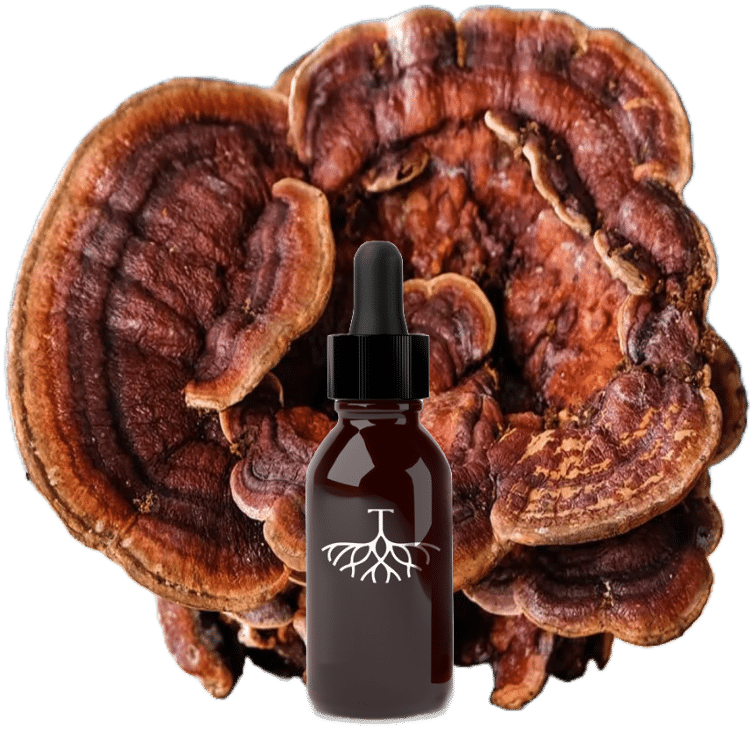
1. Reishi (Reishi): the mushroom of calm under study
Reishi (Ganoderma lucidum) is a legendary mushroom nicknamed the “king of mushrooms.” It is considered an adaptogen and is researched in the context of supporting the body’s response to stress. In the hormonal context, Reishi is researched in the context of the activity of the adrenal glands, which are responsible for producing cortisol, as well as in the context of supporting the immune system and sleep quality. Better sleep is linked in research to more balanced hormonal regulation. There is also preliminary research examining the relationship between Reishi and the sex hormones (estrogen and testosterone) and a general sense of well-being — but this is early evidence only. Learn more in our complete guide to medicinal mushrooms >>
2. Cordyceps (Cordyceps): energy and fertility in preliminary research
Cordyceps (Cordyceps sinensis) is a fascinating mushroom that originally grows on larvae in Tibet. It is researched in the context of energy and endurance, and in the context of supporting the adrenal glands. Studies examine its relationship to the production of ATP (cellular energy) and to improved blood flow. There are also preliminary studies, some of them pre-clinical (in the lab or in animals), examining the relationship between Cordyceps and the sex hormones and fertility in men and women. It is important to emphasize: these are early findings only, which do not constitute a recommendation for treating fertility issues — for any question on the subject, turn to a physician. Learn more in our complete guide to medicinal mushrooms >>
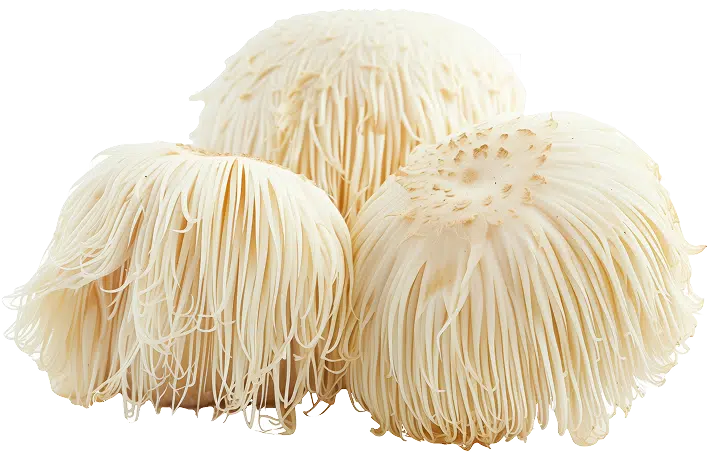
3. Lion’s Mane (Lion’s Mane): the brain and the hormonal axis
Lion’s Mane (Hericium erinaceus) is known mainly for studies examining its effect on the brain — memory, concentration, and neurological health. The link to hormones comes from the fact that the brain plays a central role in hormonal regulation. Lion’s Mane is researched in the context of encouraging the production of nerve growth factor (NGF), a protein essential to the health of nerve cells. The hypothesis being researched is that healthy nerve cells support better communication between the brain and the hormonal systems and the regulation of the HPA axis. This is a promising but early research direction.
4. Chaga (Chaga): antioxidants and general support
Chaga (Inonotus obliquus) grows on the trunks of birch trees in cold regions and is considered rich in antioxidants. It is researched in the context of supporting the immune system and reducing inflammation. Chronic inflammation is described in research as a factor linked to hormonal imbalance, and so anti-inflammatory compounds are examined in the context of supporting a healthier hormonal environment. There are also preliminary studies examining the relationship between Chaga and metabolic markers, including blood sugar levels — but these do not constitute a recommendation or a substitute for treating diabetes or insulin resistance. For any metabolic question, consult a physician.
5. Turkey Tail (Turkey Tail): immune support
Turkey Tail (Trametes versicolor) is common worldwide and is researched mainly in the context of supporting the immune system. It contains polysaccharide-peptides (PSP) and polysaccharide-proteins (PSK). It is important to know: PSK (Krestin) and PSP are isolated compounds defined as prescription drugs in Japan, and are not identical to the medicinal-mushroom extract sold as a dietary supplement — the data on the isolated compounds cannot be automatically transferred to the extract. As for the hormonal context, research examines the relationship between a balanced immune system and hormonal health, as well as the mushroom’s contribution as a prebiotic for gut health, which is linked to the proper clearance of hormones.
Q&A: how mushrooms are researched in the hormonal context
- Q: Is every medicinal mushroom an adaptogen?
- A: Not every medicinal mushroom is classified as an adaptogen, but many of them, such as Reishi and Cordyceps, are researched as adaptogenic — that is, examined in the context of helping the body adapt to stressors and maintain internal balance (structure-function).
- Q: How exactly are mushrooms researched in the context of cortisol?
- A: Many mushrooms contain compounds researched in the context of the HPA axis, the central mechanism for regulating cortisol. Preliminary studies examine whether they support the moderation of the body’s stress response. This is not a medical treatment.
- Q: Can mushrooms help with thyroid problems?
- A: Medicinal mushrooms are not a treatment for thyroid problems. Because the thyroid is influenced by stress, chronic inflammation, and gut health, mushrooms researched in these areas are examined in the context of supporting a healthier general environment. Any suspicion of a thyroid problem requires diagnosis and treatment by a physician.
7 ways to incorporate medicinal mushrooms into your daily routine
We’ve understood the mechanisms and the research directions — but how do you actually incorporate medicinal mushrooms into everyday life? Fortunately, it is much easier today to enjoy them.
1. Mushroom extracts: the concentrated and convenient solution
The most common way is through extracts — concentrations of the active compounds in mushrooms, in the form of powder, capsules, or liquid tinctures. Simply add them to a shake, coffee, or soup. Extract quality varies greatly between manufacturers, so it is important to choose a transparent product whose composition has been lab tested. At Triterra Farm, the beta-glucan concentrations are published openly — see our transparency policy and our beta-glucan lab testing. You can also explore our complete guide to medicinal mushrooms.
2. Mushroom coffee: your cup of coffee with an adaptogen boost
Mushroom coffee combines coffee with powders of mushrooms such as Reishi, Chaga, or Lion’s Mane. It gives the caffeine boost alongside adaptogenic compounds researched in the context of moderating the “jitters” from caffeine.
3. Shakes and smoothies: the easy way
Add a teaspoon of mushroom powder to your fruit-and-vegetable shake. It blends in almost without any taste and provides an added dose of bioactive components — a convenient way to open the day.
4. Herbal infusions: a calming evening ritual
There are tea blends that combine medicinal mushrooms, mainly Reishi and Chaga. This is a pleasant way to end the day and unwind toward quality sleep.
5. Creative cooking: mushrooms in the kitchen
You can incorporate fresh or dried medicinal mushrooms into soups, stews, and sauces. Important: do not eat mushrooms you cannot identify with certainty — it is always better to buy from a reliable source.
6. Workshops and courses: learning from the experts
There is a variety of workshops and courses on medicinal mushrooms — how to use them correctly and safely. Learning from experts is preferable to independent trial and error.
7. Professional consultation: first of all, talk to a physician or practitioner
Before making a significant change to your diet or adding supplements, it is always important to consult a physician or a qualified dietitian — especially if you take medication, are pregnant or nursing, or have an existing medical condition. Hormonal balance is a sensitive area: medicinal mushrooms may interact with certain medications and affect different people in different ways. Safety comes first.
Summary: knowledge as the first step toward balance
We’ve taken an educational overview of the world of medicinal mushrooms and the way they are researched in the context of hormonal balance. We saw that medicinal mushrooms are examined in research as adaptogens, as a source of antioxidants, and as possible supporters of the immune system and the brain — all within a framework of supporting function, rather than curing disease. Research in this field is preliminary and evolving, alongside thousands of years of traditional use. The first practical step is not a purchase but understanding: identifying what suits you and consulting a professional.
Not sure where to start? Our complete guide to medicinal mushrooms will help you understand which medicinal mushrooms are relevant to your wellness goals. For further reading, see the glossary of terms and browse our questions and answers.
Note: This content is an educational overview, based on preliminary research and traditional uses, and does not constitute a medical recommendation or a therapeutic indication. Medicinal mushroom extracts are dietary supplements only — this product is not intended to diagnose, treat, cure, or prevent any disease. Do not begin use, especially while taking medication, or during pregnancy, nursing, or an existing medical condition, without consulting a physician or qualified practitioner.
*These statements have not been evaluated by the Food and Drug Administration. This product is not intended to diagnose, treat, cure, or prevent any disease.*
Measured β-glucan in our extracts
| Extract | β-glucan (measured in the finished extract) | TÜV Austria certificate |
|---|---|---|
| Cordyceps extract | 28.16% | CY01082790 |
| Reishi extract | 25.65% | CY01082791 |
| Lion's Mane extract | 23.93% | CY01082792 |
| Turkey Tail & Reishi extract (the tested blend) | 23.21% | CY01082793 |
| Market reference: mycelium-on-grain powder | typically under 7% | — |
100% fruiting bodies, triple extraction. The test report (COA) is open for every tested extract — see the full lab results. From Triterra Farm — medicinal mushroom extracts from the Galilee.
The research behind Lion's Mane — 19 PubMed studies, the good and the bad →
Frequently asked questions
How are medicinal mushrooms researched in the context of cortisol?
Many mushrooms contain compounds researched in the context of the HPA axis (hypothalamic-pituitary-adrenal), the central mechanism for regulating cortisol. Preliminary studies examine whether they support the moderation of the body's stress response. This is not a medical treatment.
