
Fruiting Body Mushroom Powder: How to Spot Quality and Choose Right
- Fruiting body powder is made only from the visible fruit of the mushroom, where the bioactive compounds concentrate, not from mycelium grown on grain.
- The gap is measurable: a quality fruiting body typically ranges between 25% and 40% beta-glucan, while mycelium-on-grain powders usually sit below 7%.
- Look for the explicit wording Fruiting Body on the label, together with third-party testing and a stated, verifiable beta-glucan percentage.
- A single-ingredient product, with no secret blends, fillers or flavorings, and a disclosed growing source, is the simplest signal of quality.
- Extracts concentrate specific compounds while a full powder keeps the broad spectrum; neither is inherently better, and the effect builds over weeks.
Quality in mushroom powder comes down to one question: fruiting body or mycelium grown on grain. The fruiting body concentrates the mushroom's active compounds — beta-glucans typically between 25% and 40%, versus below 7% in mycelium-on-grain powders diluted by growth substrate. Verify with a lab test stating the beta-glucan percentage and starch content.
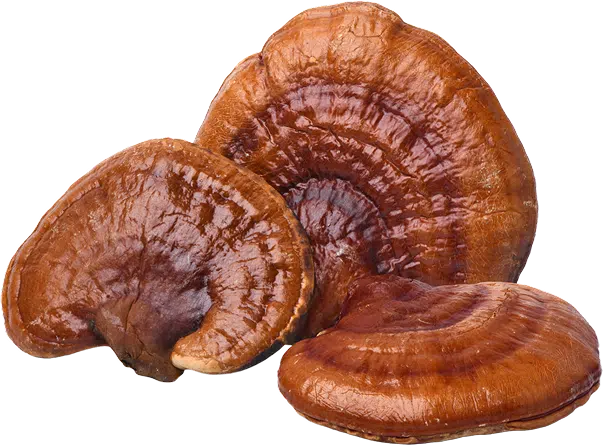
In recent years, medicinal mushrooms have become one of the most talked-about categories in the supplement world – but not every mushroom powder is created equal. The most meaningful difference, the one that determines how many active compounds actually reach the body, comes down to one simple question: was the powder made from the fruiting body of the mushroom, or from mycelium grown on grain? In this guide we explain what a fruiting body is, why it is considered the highest-quality part, and how to identify a pure, precise product – with an emphasis on real data and lab testing, not promises. For a broader overview of the world of medicinal mushrooms, it is worth reading the complete guide to medicinal mushrooms.
What is the “fruiting body,” and why it is the heart of the story
When we think of mushrooms, we usually picture the cap and stem – the visible part we pick or see in photos. But that part is only the tip of the iceberg. It is, in fact, the fruiting body of the mushroom. Just as an apple is the fruiting body of an apple tree, the fruiting body concentrates the bioactive part of the mushroom – and the powder made from it is the one that holds the highest concentration of active compounds.
Mushroom structure: mycelium versus fruiting body
To understand fruiting body powder, you first need to know the mushroom itself. The mushroom as we recognize it (the cap and stem) is only the harvestable part. Most of the organism lives underground or inside other organic matter, in the form of a fine network of threads called mycelium. The mycelium is a kind of root system for the mushroom – it absorbs nutrients from the environment. The fruiting body, by contrast, is the “fruit” of the mycelium. It appears when conditions are right, and its main purpose is to produce and spread spores. When we talk about fruiting body powder, we are talking about a powder made exclusively from this part – from the “apple” itself, not the “roots.” And that is the whole difference.
Why fruiting body and not just “mushroom”: 3 key facts
So why does it matter to focus specifically on the fruiting body? This is not marketing cleverness but a measurable difference. Let’s break it down into three main reasons.
1. Concentration of active compounds
The fruiting body is where the mushroom invests most of its energy in producing its bioactive compounds – beta-glucans (β-glucan), triterpenes, polysaccharides, antioxidants, vitamins and minerals. The mycelium also contains active compounds, but usually at far lower concentrations, and it often comes with a large amount of growth substrate (such as grain) that dilutes the quality and purity.
This difference is measurable in the lab: in a quality fruiting body the beta-glucan concentration typically ranges between 25% and 40%, whereas in mycelium-on-grain powders it is usually below 7%. This is exactly why we publish our lab test results in full – see our beta-glucan lab testing and our full transparency page.
2. Purity and quality
Fruiting body powder is as pure a product as possible. Unlike products based on mycelium grown on a grain substrate (such as rice or oats), where you will find a good deal of the grain itself in the finished powder, fruiting body powder is almost entirely free of leftover growth substrate. The meaning: a higher concentration of active compounds in every teaspoon. This difference can and should be verified – through a lab test that specifies the beta-glucan percentage and measures the presence of starch. In our lab testing you can see, for example, beta-glucan concentrations such as 28.16% in cordyceps and 25.65% in reishi – alongside starch that was not found above the detection threshold.
3. A long-standing tradition
Many cultures, from Southeast Asia to Europe, used mushrooms in their traditional practices for generations, focusing on the fruiting body – the “visible” part that can be harvested. Fruiting body powder continues that tradition: the mushroom in its whole form, without shortcuts and without unnecessary additives.
Fruiting body powder versus “the rest”: the differences that matter
The market is flooded with products claiming to be “mushroom powder,” but the picture is far from uniform. To avoid the pitfalls, it helps to know the differences.
Mycelium on grain: what are you actually paying for?
This is perhaps the most important point. A significant share of the cheaper “mushroom powders” on the market are actually mycelium grown on grain. That is: the mycelium is taken, grown on a substrate of rice or oats (cheap and easy to cultivate), and then everything is ground together – both the mycelium and the grain. The result is a powder that contains a considerable percentage of starch from the grain and only a small percentage of fungal mycelium, which is already lower in active compounds than the fruiting body to begin with.
The only way to know what you received is to read the label and ask for data. Look for the explicit wording “Fruiting Body”, and ask to see a verified beta-glucan percentage. If there is no measurable figure, it is hard to know what is in the powder. This is exactly how we operate – all the data is openly available on the transparency page and in our lab testing.
Liquid or solid extracts: when they are worthwhile
Another category is extracts – liquid (tinctures) or solid (concentrated powders). Extracts are designed to concentrate specific active compounds, such as beta-glucans or triterpenes, through various extraction processes (usually a hot-water infusion, or a combination of water and alcohol – a double extraction). The advantage: a high concentration of certain compounds. The trade-off: during the extraction process, some of the other compounds may be lost. A full fruiting body powder provides the broad spectrum of compounds as they appear in the mushroom. There is no “good” versus “bad” here – the choice depends on what you are looking for.
How to choose mushroom powder: 5 questions before buying
We understand the principles. When you set out to buy mushroom powder, here are five questions worth asking yourself and the seller. If the answers are unclear, it is worth looking deeper.
1. Does the packaging explicitly state “Fruiting Body”?
This is a yes-or-no question. If the answer is no, or if the wording is vague (“organic mushrooms,” “mushroom powder”), the product may contain mycelium and grain. Look for the words “Fruiting Body” or “full fruiting body powder.”
2. What is the beta-glucan percentage, and is there third-party testing?
Beta-glucans are among the central components in mushrooms. A quality product will explicitly state the beta-glucan percentage, and serious companies present third-party testing that verifies the product’s composition, purity and freedom from contaminants (such as heavy metals or pesticide residues). For example, we publish a full report from an external, accredited European laboratory – see our beta-glucan lab testing, issued with a certificate of analysis (COA) verified by an accredited body such as TÜV. A lack of measurable data is a red flag.
3. Where do the mushrooms come from?
The source of the mushrooms is critical. Mushrooms absorb substances from their environment, so it is important to verify that they were grown in a clean setting, free of pesticide residues, heavy metals or other contaminants. Transparency about the source and growing conditions is a sign of a trustworthy company – and that is exactly what we detail on the transparency page.
4. Is the product made of a single ingredient only?
A quality fruiting body powder should be simple: one mushroom, ground into powder. It is best to avoid products with “secret blends,” fillers, flavorings or preservatives.
5. What about triterpenes and other compounds?
Certain mushrooms, such as reishi, are also known for their triterpenes. If you are buying a mushroom recognized for compounds beyond beta-glucans (such as triterpenes in reishi or cordycepin in cordyceps), a quality company will also state the percentage of those compounds. For a full list of terms, you can consult the medicinal mushroom glossary.
What a quality fruiting body powder supports
Beyond purity and efficiency, a quality fruiting body is researched in the context of several areas of support for the body. The properties vary by the type of mushroom, but in general, a quality fruiting body powder is traditionally associated with, and researched in the context of:
- Support for immune-system function: thanks to the beta-glucans and other compounds, in the context of support and balance (structure-function).
- Energy and vitality: many mushrooms are considered adaptogenic – that is, they are researched as helping the body cope with everyday load.
- Cognitive support: some mushrooms are researched in the context of mental sharpness, memory and focus.
- Antioxidants: support in the context of coping with oxidative stress and cellular health.
- Balance and calm: adaptogens are researched in the context of helping to regulate the body’s response to load.
The central principle is synergy: instead of isolating a single component, fruiting body powder provides the broad web of compounds as they appear in the mushroom – much like a whole food. Not sure which mushroom fits you? The complete guide to medicinal mushrooms can help you focus the choice.
Questions and answers about fruiting body powder
After all the information, here are answers to the common practical questions.
What is the recommended amount?
The recommended amount varies from mushroom to mushroom and from product to product. Always follow the manufacturer’s instructions on the packaging. Typically it is one to two teaspoons per day, but the specific guidelines are what count. Do not begin use while taking medication, during pregnancy or nursing, or with an existing medical condition, without consulting a physician or qualified practitioner.
How long does it take to see results?
Mushrooms work gradually and support the body over time. Most people report a general sense of improvement after several weeks to a few months of consistent use. This is a process of ongoing support, not an immediate fix.
Are there side effects?
In general, fruiting body powder is considered safe to use for most people. That said, any supplement can trigger reactions in certain individuals. Rare side effects may include mild digestive discomfort. If you are sensitive to certain foods or take medication, always consult a physician or qualified practitioner before starting use.
Can it be combined with other supplements?
In most cases, yes. Mushrooms combine well with other supplements. However, if you take certain medications (for example, blood thinners), you must consult a healthcare professional before combining them.
How should the powder be stored?
To preserve freshness and the activity of the compounds, store the powder in an airtight container, in a cool, dry place, away from direct sunlight and moisture. Refrigeration is not required unless otherwise stated on the packaging.
Is it suitable for everyone?
For most people, yes. But pregnant or nursing women, young children, and people with chronic medical conditions or taking medication should consult a physician before use.
How do you add the powder to a daily routine?
Fruiting body powder blends well into a variety of foods and drinks: smoothies, oatmeal, coffee, tea, soups, sauces and even baked goods. The flavor is relatively mild and does not take over, which makes it a convenient addition to a daily routine.
In summary: choose by data, not by promises
Now you have the tools: you know what fruiting body powder is, why it concentrates the active compounds, and how to identify quality through the beta-glucan percentage and third-party testing. The right choice starts with transparency and real numbers. To review all the quality data, visit our transparency page and our beta-glucan lab testing, and to go deeper into the science, explore the complete guide to medicinal mushrooms and our questions and answers.
Triterra Farm – where health is a way of life.
Disclaimer: This content is an educational overview, based on preliminary research and traditional uses, and does not constitute a medical recommendation or a therapeutic indication. Medicinal mushroom extracts are dietary supplements only – this product is not intended to diagnose, treat, cure or prevent any disease. Do not begin use, especially while taking medication, during pregnancy or nursing, or with an existing medical condition, without consulting a physician or qualified practitioner.
*These statements have not been evaluated by the Food and Drug Administration. This product is not intended to diagnose, treat, cure, or prevent any disease.*
Measured β-glucan in our extracts
| Extract | β-glucan (measured in the finished extract) | TÜV Austria certificate |
|---|---|---|
| Cordyceps extract | 28.16% | CY01082790 |
| Reishi extract | 25.65% | CY01082791 |
| Market reference: mycelium-on-grain powder | typically under 7% | — |
100% fruiting bodies, triple extraction. The test report (COA) is open for every tested extract — see the full lab results. From Triterra Farm — medicinal mushroom extracts from the Galilee.
The research behind Reishi — 16 PubMed studies, the good and the bad →
Frequently asked questions
What is the recommended amount of mushroom powder to use?
The recommended amount varies from mushroom to mushroom and from product to product. Always follow the manufacturer's instructions on the packaging. Typically it is one to two teaspoons per day. Do not begin use while taking medication, during pregnancy or nursing, or with an existing medical condition, without consulting a physician or qualified practitioner.
How long does it take to notice results from medicinal mushrooms?
Mushrooms work gradually. Most people report a general sense of improvement after several weeks to a few months of consistent use. This is a process of ongoing support for the body, not an immediate solution. This is not a therapeutic indication.
Are there side effects to fruiting body powder?
In general, fruiting body powder is considered safe to use. Rare side effects may include mild digestive discomfort. If you are sensitive to certain foods or take medication, it is recommended to consult a healthcare professional.
Can the powder be combined with other supplements?
In most cases yes; mushrooms combine well and may even complement the effect of other supplements. If you take prescription medication (such as blood thinners), you must consult a physician before combining.
What is the difference between fruiting body powder and mycelium powder?
The fruiting body is the above-ground part that holds the highest concentration of active compounds and no growth substrate; in a quality fruiting body the beta-glucan concentration typically ranges between 25% and 40%. Mycelium is the root-like network, and mycelium powders often contain a high percentage of grain (such as rice) the mushroom was grown on, which dilutes the active material, so their beta-glucan concentration is usually below 7%.
How should mushroom fruiting body powder be stored?
Store the powder in an airtight container in a cool, dry place, away from direct sunlight and moisture, to preserve freshness and the activity of the compounds. Refrigeration is not required unless the packaging states otherwise.
Is a mushroom extract better than whole fruiting body powder?
Neither is better; the choice depends on what you are looking for. Extracts concentrate specific compounds such as beta-glucans or triterpenes, but some other compounds may be lost in the process, while whole fruiting body powder keeps the broad spectrum of the whole mushroom.
