
Ergosterol: The Molecule That Turns Mushrooms Into a Source of Vitamin D2
Ergosterol is the sterol that fungi build into their cell membranes — their counterpart to our cholesterol — providing structural stability, controlled fluidity, and selective permeability. Its remarkable twist: exposed to ultraviolet light, ergosterol converts into ergocalciferol, vitamin D2, making mushrooms a non-animal source of the vitamin research links to bone health, immune function, and mood.
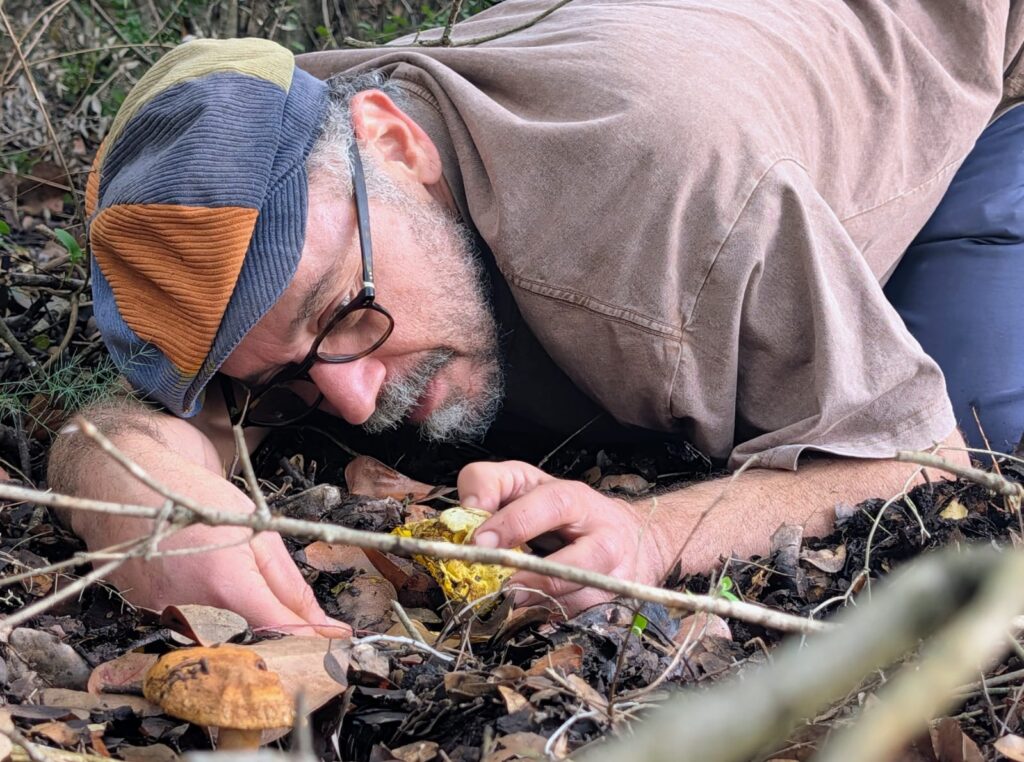
Welcome to the fascinating world of mushrooms — a world most of us take for granted. Beneath the simple appearance of a button mushroom or a prized truffle hides a small but powerful molecule that shapes the lives of billions of organisms on Earth, with implications for human health, for modern medicine, and even for the food on our plate. Its name: ergosterol.
In this article we’ll discover how a distinctly “fungal” substance became a raw material for an essential vitamin, how it serves as a target in the development of antifungal drugs, and what new and fascinating applications it continues to reveal to science. By the end, you’ll understand ergosterol in depth — and see mushrooms in an entirely new light.
What Is Ergosterol? The Hidden Architect of the Fungal Cell
Imagine a world without walls, without clear boundaries. That is exactly what would happen to fungi without ergosterol. You may not know the name, but it is one of the most central and important components in every mushroom. It is not just “another substance” — it is the foundation of their very existence.
A Chemical ID: The Molecular Structure of Ergosterol
Let’s talk a little science, but without the headache. Ergosterol is a sterol — yes, like the cholesterol you know from humans and animals.
It belongs to the lipid (fat) group, which means it hates water (hydrophobic) and mixes well with other fats. Its structure is made of four carbon rings that, together with a side chain, form this unique molecule.
The main difference from cholesterol? Humans and animals produce cholesterol; fungi produce ergosterol. It is a small structural difference, but a hugely significant one biologically. It marks “this is a fungus!” unambiguously — a bit like a unique ID card for the fungal world.
Not Just Decoration: The Role of Ergosterol in the Fungal Cell Membrane
Think of the cell membrane as a protective wall. It separates the inside of the cell from the external environment, keeps order, regulates the passage of substances, and serves as a communication post. In fungi, ergosterol is the central “concrete” in that protective wall — it is embedded within the double lipid layer of the cell membrane, and its role is critical:
- Structural stability: It gives the cell membrane the rigidity and stability it needs to maintain its shape. Without ergosterol, the membrane would collapse.
- Controlled fluidity: It regulates the “fluidity” of the membrane. This allows the cell to be flexible enough to carry out processes such as growth, division, and the uptake of substances, yet stable enough not to fall apart.
- Selective permeability: It influences the membrane’s ability to bring substances in and move substances out in a controlled way. Without this, the cell would simply leak in every direction.
- Cellular signaling: There are hints that it is also involved in communication and signaling processes within the fungal cell.
In short, without ergosterol the fungus could not exist — it could not grow, could not reproduce, and could not even “breathe.” It is the reason it is a fungus in the first place.
Ergosterol as a Natural Source of Vitamin D2
Who would have believed that a molecule so essential to a fungus’s existence would suddenly become a key linked to human health? This is ergosterol’s brilliant plot twist. Even though it is biologically foreign to us in a direct sense, it provides us with something irreplaceable.
From Field to Plate: How Do Mushrooms Produce Vitamin D?
Research links vitamin D to bone health, to immune-system function, and even to mood. Most of us get it from sun exposure (which produces D3 in our skin) or from fortified foods. But there is another, entirely fungal, route.
When ergosterol is exposed to ultraviolet (UV) light — the same light that comes from the sun — it undergoes a photochemical process. In simple terms, it changes shape: it turns into another compound called ergocalciferol, better known as vitamin D2.
Yes, exactly as humans produce vitamin D3 from sun exposure, fungi do it with ergosterol. This is especially interesting news for vegans, for vegetarians, for those with less sun exposure, and for anyone looking for a plant-based, non-animal source of vitamin D.
So next time you buy mushrooms, remember: they are not just tasty — they are little vitamin D laboratories. By the way, some companies grow mushrooms under special UV light precisely to increase their D2 content; a bit like a “tanning bed” for mushrooms, for nutritional purposes.
A Fascinating Comparison: D2 from Mushrooms vs. D3 from Animals
Let’s talk for a moment about the differences between D2 and D3. Vitamin D2 (ergocalciferol) comes from fungi; vitamin D3 (cholecalciferol) comes from animals (including from our own skin upon sun exposure). Both fill similar roles in the body.
There used to be a heated debate over which is “better” or more effective at raising blood vitamin D levels. Today the broad research consensus is that both are effective, although some studies indicate that D3 is slightly more bioavailable (better absorbed). The differences are not dramatic enough to rule out D2. The main thing is to get enough vitamin D, from any source — and mushrooms, with their ergosterol, offer an excellent, green option.
The interest in mushrooms as a source of vitamin D and of other active compounds shows how important it is to know what is really in the product we consume. At Triterra we lab-test our medicinal-mushroom extracts and publish the data in full transparency — so you can get to know our transparency policy and our lab test results.
Ergosterol as a Weak Point in Attacking Fungal Infections
We’ve seen that ergosterol is a “friend” — it strengthens fungi and provides an essential vitamin. But what happens when certain fungi become a problem, causing stubborn and even life-threatening infections in humans? Here ergosterol turns from hero into weak point.
When Fungi Attack: Why Do Antifungal Drugs Target It Specifically?
Fungal infections can range from a nagging candida in the mouth or vagina, through stubborn nail fungus, to life-threatening systemic infections in immunocompromised patients. To treat them, medicine turns to antifungal drugs.
But here is the problem: fungal cells are far more similar to human cells than bacteria are. That makes it hard to find a drug that will harm the fungus and not us. And this is where ergosterol enters the picture as nature’s “brilliant trick.” Remember that it exists only in fungi, and not in human cells? That is exactly why it is an ideal drug target.
Many antifungal drugs work by disrupting the synthesis (production) of ergosterol, or by binding to it in the cell membrane:
- Synthesis inhibitors (the azole group): drugs such as Fluconazole and Itraconazole block specific enzymes involved in producing ergosterol. Without ergosterol, the fungal cell membrane weakens, becomes permeable, and the fungus “leaks” to death.
- Direct membrane damage (the polyene group): drugs such as Amphotericin B bind directly to ergosterol in the fungal cell membrane, creating “holes” in it, and the fungus dies. Amphotericin B is considered a particularly strong and effective drug, and is often the “last resort” in severe infections.
It is like finding the enemy’s Achilles’ heel. Precisely because of ergosterol’s uniqueness, it is possible to develop relatively effective drugs with fewer side effects on human cells — because we have no ergosterol to be harmed.
Why Do Fungi Develop Drug Resistance?
But don’t think the war is easy. Fungi, as living organisms, do not surrender readily; they develop resistance to drugs, just as bacteria develop resistance to antibiotics. How does this happen? Fungi find creative ways to bypass the drugs’ mechanism of action:
- Changes in the target: they can alter the structure of the enzymes that produce ergosterol, so that the drug can no longer bind to them.
- Reduced ergosterol production: some learn to produce less ergosterol, or find alternative ways to maintain membrane stability.
- Efflux mechanisms: they develop special “pumps” that push the drug out of the cell before it can act.
This is a constant arms race between science and fungal evolution. The fact that fungi develop resistance underscores the ongoing need for research and for developing new drugs, in order to stay one step ahead of the microscopic “opponent.”
Curious which medicinal mushrooms are relevant to you? A good place to start is our full guide to medicinal mushrooms.
Surprising Real-World Applications of Ergosterol
Thought we were done with the surprises? Think again. Ergosterol is not only a star in medicine and nutrition — it spreads its wings into other, no less intriguing, fields.
Green Agriculture: Ergosterol Against Pests?
If ergosterol is so essential to fungi, what if we turned it into a tool against them? Well, that is exactly what researchers are trying to do. In agriculture, fungi are not always friendly — they can cause severe plant diseases that damage crops.
Substances based on disrupting ergosterol, or on molecules similar to it, are being tested as more natural antifungal agents. The potential is to develop “smarter” pesticides — ones that harm only the harmful fungi, without affecting plants, animals, or humans. Imagine a world where we protect crops with a “weapon” that comes from a deep understanding of the “enemy” itself.
The Food Industry: Not Just Vitamin D
We’ve already mentioned vitamin D from mushrooms — but does ergosterol have additional roles in the food industry? It’s a bit more complex, but interesting. Ergosterol itself is not a particularly active flavor or aroma compound, but it is a complex molecule that takes part in many biochemical processes in fungi and influences their overall metabolism — and that very metabolism is what creates the thousands of unique flavor and aroma compounds we love in mushrooms.
In addition, there are studies examining derivatives of ergosterol as potential ingredients for improving flavor, or as natural antioxidants that add value to food. So next time you enjoy the rich aroma of mushroom soup, remember that the same hidden architect — ergosterol — is part of the magic.
A Look at the Future of Ergosterol Research
So where do we stand with all of this? Ergosterol, the small and mysterious molecule that began our journey, has proven to be a world unto itself. But science, like life, does not pause for a moment.
Innovation Ahead: Groundbreaking Research Directions
Researchers keep digging, discovering, and innovating on several fronts:
- Developing new drugs: with the rise of resistance, there is a clear need for next-generation antifungal drugs. New molecules may be developed that disrupt ergosterol synthesis in more creative ways, or that target new points related to it.
- Improving vitamin D production: new technologies may make it possible to “persuade” fungi to produce even more vitamin D2, turning them into a more efficient and sustainable source of this important vitamin.
- Biomarkers and diagnostics: identifying ergosterol levels in blood or tissue is being studied as a possible diagnostic tool for the early detection of fungal infections.
- Ecological applications: developing environmental pesticides based on an understanding of ergosterol may reduce dependence on harmful chemical substances.
All of these are just the tip of the iceberg. Ergosterol is only one example of countless seemingly “simple” molecules that are waiting for us to uncover their full potential.
Summary: Onward to Science
The road is not free of challenges: developing new drugs is an expensive and lengthy process, understanding resistance mechanisms requires deep research, and agricultural applications must meet strict environmental standards. But one thing is certain — ergosterol, the hidden molecule from the fungal cell membrane, will continue to be at the forefront of research, to surprise, and to influence our lives in ways we still cannot imagine.
The story of ergosterol is a testament to the power of curiosity, to the beauty of biochemistry, and to the fact that there is always more to learn from the wonderful world around us — and, no less important, from the one inside the mushrooms.
Want to go deeper? It’s worth reading the full guide to medicinal mushrooms, checking terms in our glossary, or browsing our frequently asked questions.
Frequently Asked Questions About Ergosterol
Does ergosterol exist in plants too?
Definitely not. Plants produce phytosterols, which are entirely different steroids. Ergosterol is the exclusive “ID card” of fungi — which is what makes it a convenient drug target.
Is ergosterol dangerous to humans?
It has no known negative physiological role in the human body. In fact, it is a source of vitamin D2 after exposure to UV light, as described above.
Do all mushrooms contain ergosterol in meaningful amounts?
Yes, all mushrooms contain ergosterol because it is essential to their proper function. That said, the amount of D2 produced from them varies greatly; exposure to sunlight or to artificial UV light can boost production considerably. Portobello and shiitake mushrooms, for example, respond well to such exposure.
Can you get vitamin D toxicity from eating mushrooms?
Usually not. The amount of vitamin D in mushrooms, even when rich, does not typically reach dangerous levels. Vitamin D toxicity is documented mainly in the context of taking supplements at extreme overdose.
Are antifungal drugs that act on ergosterol dangerous to humans?
They are considered relatively safe because they target a structure that does not exist in human cells. That said, every drug has possible side effects, and dose and form matter greatly; Amphotericin B, for example, may have kidney-related side effects. Any use of a drug is done according to a physician’s guidance.
Is drug resistance a problem in fungal infections?
Yes. As in the bacterial world, resistance is a growing challenge in fungal infections too, particularly among immunocompromised patients or those with recurrent infections — and this is a reason for intensive research.
Does ergosterol have additional uses?
Research is still developing. It is being examined as a biochemical marker for diagnosing fungal infections, as a possible starting material for synthesizing other steroids, and in the cosmetics industry as a potential ingredient for sun protection (because of its ability to respond to UV).
Can ergosterol be produced artificially?
Yes, it can be synthesized in the laboratory, but it is often extracted from mushrooms through extraction processes — mainly as a raw material for producing vitamin D2, since this is a more efficient and economical process.
Disclaimer: This content is an educational overview based on preliminary research and traditional uses, and does not constitute medical advice or a treatment recommendation. Medicinal-mushroom extracts are dietary supplements only. Do not begin use — especially while taking medications, during pregnancy or nursing, or with an existing medical condition — without consulting a physician or a qualified practitioner.
*These statements have not been evaluated by the Food and Drug Administration. This product is not intended to diagnose, treat, cure, or prevent any disease.*
Measured β-glucan in our extracts
| Extract | β-glucan (measured in the finished extract) | TÜV Austria certificate |
|---|---|---|
| Cordyceps extract | 28.16% | CY01082790 |
| Reishi extract | 25.65% | CY01082791 |
| Lion's Mane extract | 23.93% | CY01082792 |
| Turkey Tail & Reishi extract (the tested blend) | 23.21% | CY01082793 |
| Market reference: mycelium-on-grain powder | typically under 7% | — |
100% fruiting bodies, triple extraction. The test report (COA) is open for every tested extract — see the full lab results. From Triterra Farm — medicinal mushroom extracts from the Galilee.
The research behind Cordyceps — 20 PubMed studies, the good and the bad →
