Shiitake Medicinal Mushroom: The Complete Guide — From Umami Flavor to Health Support
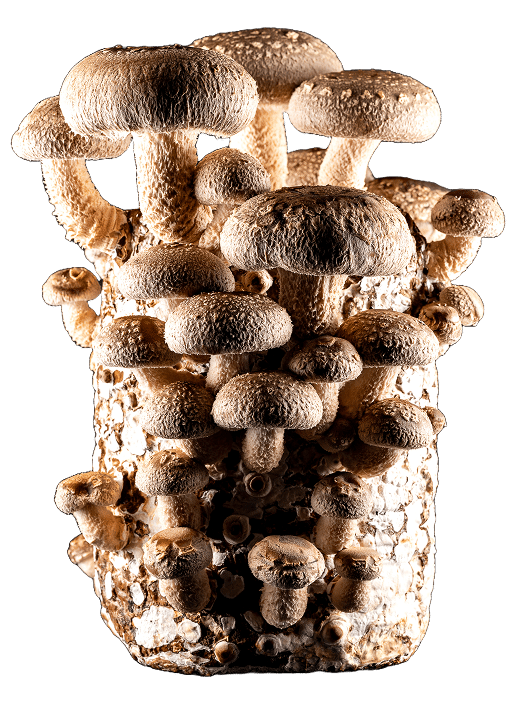
Welcome to a journey of discovery into the wonderful world of the shiitake mushroom. At Triterra Farm, this journey is part of our DNA – it begins with local, blue-and-white Israeli cultivation, under controlled conditions and with attention to every detail, and continues with harvesting at the optimal time for full-spectrum extraction. Read more about our commitment to quality and local cultivation. Drawing on the experience and knowledge we have accumulated, we have prepared this guide for you, combining fascinating stories, up-to-date research, and everything worth knowing about the supportive potential of the shiitake mushroom.
Shiitake Medicinal Mushroom (Lentinula edodes): A Rich Culinary Tradition and Modern Research
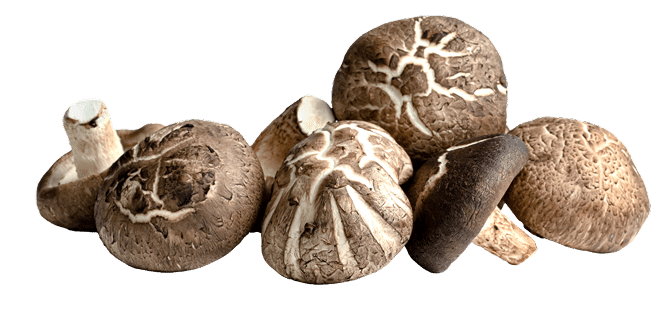
The shiitake mushroom, with its fleshy cap and rich, characteristic (umami) flavor, is one of the most popular and highly valued mushrooms in the culinary world. But beyond its honored place in Asian and world cuisine, shiitake has a long history of use in Far Eastern traditions, and in recent decades it has drawn growing scientific interest examining its health potential and the unique active compounds it contains.
Origin of the Name and a Brief History
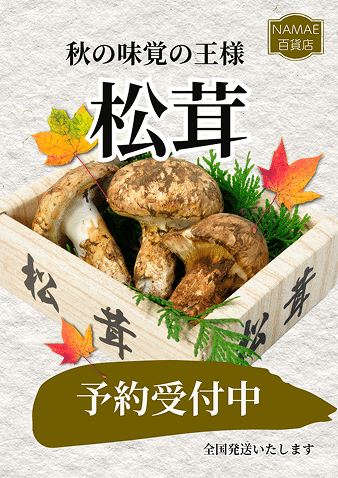
The name “shiitake” (Shiitake / 椎茸) comes from Japanese: “shii” (Shii / 椎) is the name of a type of oak tree on which the mushroom grows naturally, and “take” (Take / 茸) means mushroom. In other words, “the mushroom of the shii tree.” The mushroom, which originates in East Asia (mainly China and Japan), has been cultivated and used as food and for traditional purposes for hundreds — and perhaps even thousands — of years. In Traditional Chinese Medicine (TCM), it was regarded as a food that supports “Qi” (life energy), a general tonic contributing to longevity.