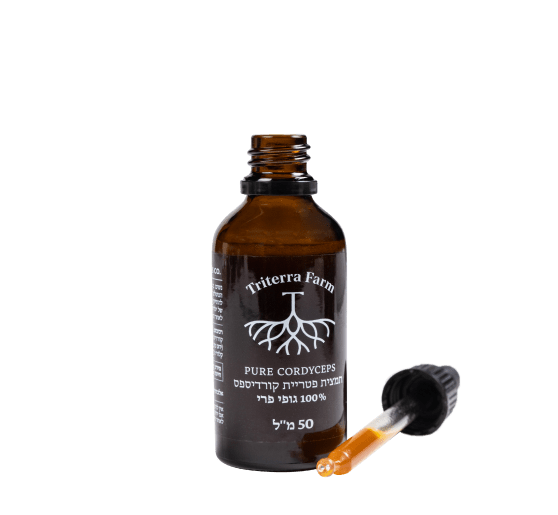
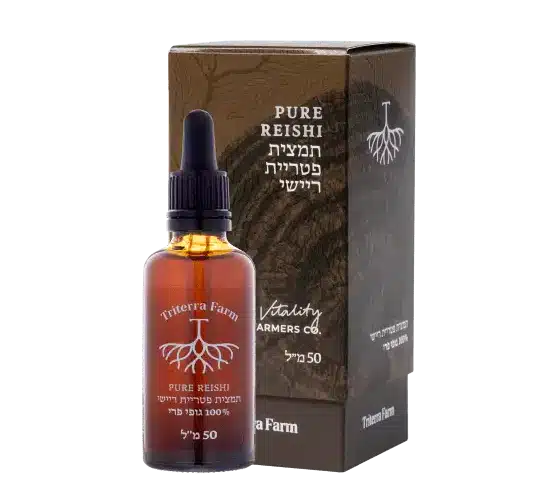
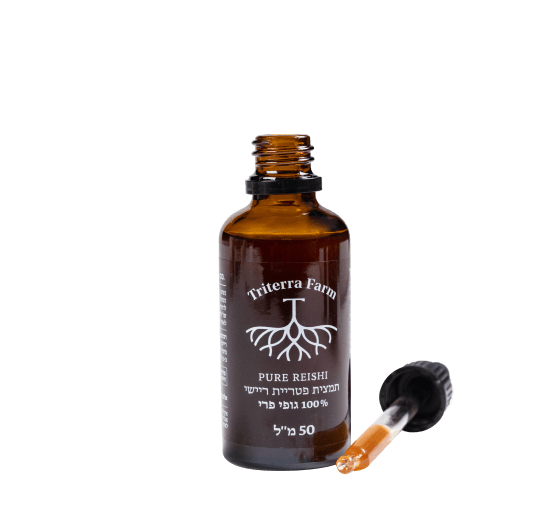
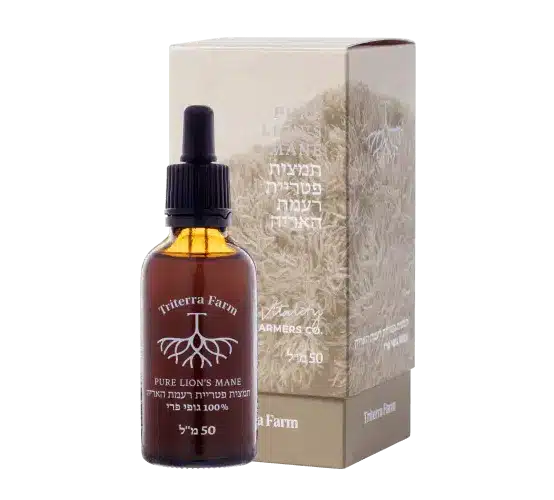

Tested at TUV AUSTRIA & VELTIA laboratories

A Complete Testing System for Functional Mushrooms

One goal: to turn reported quality into proven quality.

Verifying active potency and complete freedom from contaminants using third-party laboratory data.

Mushrooms absorb substances from the soil - so without broad testing, there is no way to know what actually goes into a supplement. Most mushroom supplements do not include all of the tests shown here. Our testing framework is designed to establish clear facts and turn marketing statements into data you can verify.

Beta-Glucan Concentration Test

The test: verifying the concentration of the active compounds in the mushroom and ruling out the presence of starches.

Result: 23% to 28% beta-glucan with no trace of fillers.

In practice: this is the only metric that distinguishes an active extract from filler.

610-Pesticide Screen

The test: a comprehensive laboratory screen for agricultural chemical residues.

Result: no residues found at a measurable level.

In practice: this separates a clean extract from a product that has not been thoroughly tested.

Heavy Metals Monitoring

The test: detecting lead, mercury, arsenic, and cadmium with advanced laboratory equipment.

Result: no exceedances detected; the toxic metals are not present at a measurable level.

In practice: most products on the market do not publish this critical figure at all.

Beta-Glucan Concentration in Our Extracts

1,3/1,6 beta-glucan concentration in TRITERRA FARM extracts (TUV AUSTRIA laboratory testing, 07/2025)
Product Name Certificate No. Beta-Glucan Concentration Presence of Starches
Pure Cordyceps 2713-CY01082790-25-02 28.16% <DL (not detected)
Pure Reishi 2713-CY01082791-25-02 25.65% <DL (not detected)
Pure Lion's Mane 2713-CY01082792-25-02 23.93% <DL (not detected)
Pure Turkey Tail & Reishi 2713-CY01082793-25-02 23.21% <DL (not detected)

If it wasn't tested this way — it's not a standard. It's just a product.

To view the full lab reports, scroll to the bottom of the page

Scientific Sources & Bibliography (Citations):

  1. McCleary, B. V., & Draga, A. (2016). Measurement of β-Glucan in mushrooms and mycelial products. Journal of AOAC International, 99(2), 364-373. [Link to study]
  2. Cerletti, C., et al. (2021). Edible Mushrooms and Beta-Glucans: Impact on Human Health. Nutrients, 13(7), 2195. [Link to study]

Transparency and Lab Testing: How to Understand the Results

Important note: The information shown in the lab reports and on this page is provided as transparent consumer information about the composition of the products. It is not medical advice, a treatment recommendation, or a substitute for qualified medical care. These statements have not been evaluated by the Food and Drug Administration. This product is not intended to diagnose, treat, cure, or prevent any disease.

TRITERRA FARM transparently publishes the concentrations of the active compounds in its mushroom extracts, as tested and verified at the TUV AUSTRIA laboratories in July 2025. According to the analysis reports, all extracts contain 100% fruiting bodies with no added starches (Amylose and Amylopectin below the detection threshold of 0.1). The 1,3/1,6 beta-glucan concentrations measured using the enzymatic method are: Pure Cordyceps (28.16%), Pure Reishi (25.65%), Pure Lion’s Mane (23.93%), and the Turkey Tail and Reishi blend (23.21%).

What is a beta-glucan test and why does it matter?

The lab tests measure the beta-glucan (Beta-Glucan) percentage in the mushroom extracts. 1,3/1,6 beta-glucans are key components associated with the properties of functional mushrooms, and they are the most reliable indicator of an extract’s quality and potency. (Note that no general beta-glucan value is shown – only the 1,3/1,6 value.) A high beta-glucan value indicates a high-quality extraction process, the use of fruiting bodies only (not mycelium), and enhanced wellness potential. For example, in our tests you will find values such as 28.16% in Cordyceps, 25.65% in Reishi, and 23.93% in Lion’s Mane

What don’t we want to see? Starches and simple sugars

Many products on the market contain a high percentage of polysaccharides, but these are actually starches (such as Amylose and amylopectin) and other sugars originating from the growing substrate (usually grains), which have no nutritional value. Our lab reports specifically test for the presence of these substances, as well as other sugars such as Glucomannan and Fructans.

The result “<DL” (Below Detection Limit) shown next to each of them proves that our product is completely free of unnecessary fillers and starches.

What is tested? A breakdown of the main sections in the report

Each report includes several key metrics:

Beta-Glucan 1,3/1,6 – the primary value, given as a percentage (% w/w), expressing the amount of beta-glucan in the extract.

Glucomannan, Amylose, Amylopectin, Pectin – tests for the presence of additional components, usually found at low levels or below the detection threshold (<DL).

Total Polysaccharides – the sum of all polysaccharides in the extract, usually identical to the beta-glucan value because the other components are almost negligible.

Fructans (as Inulin) – another type of fiber, almost always <DL (below the detection threshold).

How to read the numbers and what to check?

The values in the reports are given as a percentage of the material’s weight (% w/w). For a quality extract – beta-glucan above 20% is considered very high and indicates concentration and potency. You should verify:

That all metrics were measured using the enzymatic method (Enzymatic Method), which is the accepted standard.

That all values match what is published on the product.

That there is no unusual deviation between the Beta-Glucan value and the Total Polysaccharides value (if there is – it is a sign of a problem or an impure sample).

Who performs the test, and how do we know it is reliable?

The lab testing was carried out at the TUV AUSTRIA LABS LTD, an accredited European laboratory – the testing was performed according to the international standard for polysaccharide and beta-glucan testing. The reports include sample details, the preservation method (refrigeration), and the start and end dates of the testing. Each certificate is signed by a professional manager and explicitly states that the test is valid only for the sample tested – so that transparency and reliability are fully maintained.

Below are the test results:

Beta-glucan test report for Triterra Farm’s Lion’s Mane mushroom – concentration 23.93%, enzymatic testing at TUV Austria Labs, July 2025

Beta-glucan test report for Triterra Farm’s Reishi mushroom – concentration 25.65%, enzymatic testing at TUV Austria Labs, July 2025

Beta-glucan test report for Triterra Farm’s Cordyceps mushroom – concentration 28.16%, enzymatic testing at TUV Austria Labs, July 2025

Beta-glucan test report for Triterra Farm’s Turkey Tail and Reishi extract – concentration 23.21%, enzymatic testing at TUV Austria Labs, July 2025

The lab tests confirm that Triterra Farm’s extracts contain a high concentration of beta-glucan (between 23% and 28%) and were tested at an accredited European laboratory using an advanced enzymatic method. This is a measure of quality, potency, and reliability.

1,3/1,6 beta-glucan concentration in TRITERRA FARM extracts (TUV AUSTRIA laboratory testing, 07/2025)
Product Name (Product) Certificate No. Beta-Glucan Concentration % (w/w) Presence of Starches (Amylose/Amylopectin)
Pure Cordyceps 2713-CY01082790-25-02 28.16 <DL (not detected)
Pure Reishi 2713-CY01082791-25-02 25.65 <DL (not detected)
Pure Lion's Mane 2713-CY01082792-25-02 23.93 <DL (not detected)
Pure Turkey Tail & Reishi 2713-CY01082793-25-02 23.21 <DL (not detected)

Scientific Sources & Bibliography (Citations):

  1. McCleary, B. V., & Draga, A. (2016). Measurement of β-Glucan in mushrooms and mycelial products. Journal of AOAC International, 99(2), 364-373. [Link to study]
  2. Cerletti, C., et al. (2021). Edible Mushrooms and Beta-Glucans: Impact on Human Health. Nutrients, 13(7), 2195. [Link to study]

Safety & Toxin-Purity Testing (PAH & Alkaloids)

VELTIA laboratory (Cyprus) results for the levels of contaminants and natural toxins.

Mushroom Test Type Result Safety Status
Cordyceps PAH (aromatic hydrocarbons) < LOQ (below the detection threshold) Pass ✓
Pyrrolizidine Alkaloids N.D (not detected) Pass ✓
Lion's Mane PAH (aromatic hydrocarbons) < LOQ (below the detection threshold) Pass ✓
Pyrrolizidine Alkaloids N.D (not detected) Pass ✓
Turkey Tail PAH (aromatic hydrocarbons) < LOQ (below the detection threshold) Pass ✓
Pyrrolizidine Alkaloids N.D (not detected) Pass ✓
Reishi / Ganoderma PAH (aromatic hydrocarbons) < LOQ (below the detection threshold) Pass ✓
Pyrrolizidine Alkaloids N.D (not detected) Pass ✓

* Testing was performed by the VELTIA CYPRUS laboratory, part of the international Tentamus group.

* Report date: February 2025.

* Detection threshold (LOQ) for PAH testing: 0.2 µg/kg.

CERTIFIED SAFE

Combined Laboratory Testing Summary - February 2025

Performing Laboratory

VELTIA Cyprus
(Tentamus Group)

Products Tested

4 types of functional mushrooms
(fresh)

Final Status

PASS ✓

Detailed Test Findings:

  • Freedom from hydrocarbons (PAH): All samples (Cordyceps, Lion's Mane, Turkey Tail, and Reishi) were found free of aromatic-hydrocarbon residues. All results are below the minimum detection threshold (0.2 µg/kg).
  • Absence of plant toxins (Alkaloids): No traces of pyrrolizidine alkaloids were detected in any of the mushroom types. The result is N.D (Not Detected) relative to the strict testing threshold.
  • Compliance with standards: All lab reports confirmed that the condition of the samples and the results are "Acceptable" and meet the safety requirements of the European Union and international standards.
Lab report references: 46-411/2025, 46-412/2025, 46-413/2025, 46-414/2025 (PAH) | 46-341/2025, 46-342/2025, 46-343/2025, 46-344/2025 (Alkaloids).
Heavy metals and pesticide testing in TRITERRA FARM extracts (VELTIA CYPRUS laboratory, 01/2025)
Product Name (Product) Metals Report (Heavy Metals) Pesticide Report (Pesticides) Safety Status (Safety Status)
Pure Cordyceps 46-169/14.01.2025 44-40/09.01.2025 Pass (N.D / meets standard)
Pure Reishi 46-175/15.01.2025 44-37/09.01.2025 Pass (N.D / meets standard)
Pure Lion's Mane 46-164/14.01.2025 44-41/09.01.2025 Pass (N.D / meets standard)
Pure Turkey Tail 46-168/14.01.2025 44-39/09.01.2025 Pass (N.D / meets standard)

Food Safety Regulations & Standards (Regulations & Standards):

  1. European Commission (EC). Regulation (EU) 2023/915 on maximum levels for certain contaminants in food (Heavy Metals & PAH). [Link to regulation]
  2. European Parliament and Council. Regulation (EC) No 396/2005 on maximum residue levels of pesticides in or on food and feed of plant and animal origin. [Link to regulation]
CERTIFIED SAFE

Combined Laboratory Testing Summary - January-February 2025

Heavy Metals and Pesticide Testing

Why do we test? Mushrooms are characterized by a high capacity for bio-absorption - they actively take up substances from the growing substrate. The testing framework is designed to ensure the products are completely free of pesticides, heavy metals, and environmental contaminants. The results verify the complete cleanliness of our growing substrate and processing methods.

Performing Laboratories

VELTIA Cyprus (Tentamus)
Institute of Food Microbiology

Products Tested

4 strains of functional mushrooms
(fruiting bodies and dried powders)

Safety Status

PASS ✓

Summary of Key Findings:

  • Pesticide residues (Pesticides): A comprehensive screen for about 610 different types of pesticides was performed. The samples were found completely clean (NO A.I. QUANTIFIED) and meet the strict European standards.
  • Heavy metals (Heavy Metals): Lead, cadmium, mercury, arsenic, and aluminum were tested. Toxic metals such as lead, mercury, and arsenic were not detected at all (N.D). Only negligible trace values of cadmium and aluminum were found, far below the regulatory thresholds for food and dietary supplements.
  • Environmental contaminants (PAH): The samples were found free of polycyclic aromatic hydrocarbon residues, with results below the laboratory's minimum detection threshold (less than 0.2 µg/kg).
  • Fungal and plant toxins (Mycotoxins & Alkaloids): All tested samples were found completely clean, with no trace of these toxins.
References (lab report numbers):
Pesticides: 44-37, 44-39, 44-40, 44-41 | Metals: 46-164, 46-168, 46-169, 46-175 | PAH contaminants: 46-413, 46-414.

Our Promise: An Extract You Can Feel, Transparency in the Values

Behind all the numbers and charts stands one simple goal: to ensure you receive a pure, strong, and effective product that delivers the best result for you. The lab tests are not a slogan – they are our commitment to you.

From Data to Confidence: Our Commitment to Full Transparency

אייקון שלוש צורות אורגניות בלבן

After reviewing the lab reports, it is important to us that you understand the meaning behind every number. We believe transparency is not just presenting documents, but providing an in-depth explanation that lets you make an informed decision. Each report we have presented is the product's ID card, an external and independent seal of quality from the TUV AUSTRIA laboratory. These reports are the practical proof of our commitment to provide you a pure, strong product that is safe to use.

The Heart of Effectiveness: A High Concentration of Beta-Glucans (1,3/1,6)

אייקון חצי עיגול וטיפה בלבן

The main reason for consuming functional mushrooms is the content of 1,3/1,6 beta-glucans, considered the primary active compound responsible for their properties. Unlike many products on the market, we focus on extracting an especially high concentration of these essential components. For example, the Cordyceps lab report shows a concentration of 28.16%, Reishi contains 25.65%, Lion's Mane 23.93%, and Turkey Tail 23.21%. These concentrations, measured as a percentage of the product's weight (%W/W), indicate a potent, high-quality product sourced from the mushroom's fruiting body itself, and not from inferior mycelium.

The Purity Test: Why What Is Not in the Product Matters

אייקון שני עלים לבנים זה מעל זה

A product's quality is measured not only by what it contains, but also by what it does not. The supplement industry is saturated with products containing cheap fillers, mainly starchy polysaccharides such as

Amylose and amylopectin, originating from the growing substrate (usually grains). These substances inflate the "total polysaccharides" value but have no nutritional value whatsoever. Our lab reports show unequivocally that all the fillers and simple sugars tested, including glucomannan, starches, and pectin, are below the detection limit (DL>). This is the proof of our product's purity.

The Metric That Really Matters: Total Polysaccharides = Beta-Glucans

אייקון שלושה עלים וטיפה בלבן

Here lies the final and most decisive proof of the product's quality. Note that in all our lab reports, the figure under "Total Polysaccharides" is completely identical to the "Beta-Glucan" figure. For example, in the Reishi report, both the beta-glucan concentration and the total polysaccharides stand at 25.65%. This means that nearly 100% of the polysaccharides in our product are the active, desirable beta-glucans. This is rare evidence in the industry of a clean, concentrated, and honest product, with no misleading claims.

The Testing Method: Insisting on the Gold Standard

אייקון לב לבן עם עלה קטן

It is not enough to test - how you test also matters. There are various methods for testing polysaccharides, and some do not distinguish between effective beta-glucans and worthless starches. We insist on using the specific enzymatic method (Enzymatic Method), recognized as the gold standard in the industry and using test kits such as Megazyme. This method specifically breaks down 1,3/1,6 beta-glucans and allows their precise measurement, ensuring that the results you see are reliable and reflect reality.

Our Promise in Every Box: Quality, Effectiveness, and Value

אייקון לבן מסוגנן בצורת עלה מעוגל

In summary, these precise data translate directly into benefit for you. When you choose our products, you can rest assured that you are getting full value for your money: a product containing a high, precise concentration of the active compounds, completely free of unnecessary fillers and sugars, and tested using the most rigorous methods. We see this commitment to quality and transparency as the foundation of your wellbeing and the core of our good name.

At Triterra Farm, we choose nature, not shortcuts

Not All Extracts Are Created Equal

המיצויים שלנו מיוצרים בתהליך מיצוי משולש קפדני, המשלב מיצוי קר, אלכוהולי וחום בלחץ גבוה, כדי להבטיח את הריכוז המקסימלי של הרכיבים הפעילים. < כנסו ללמוד עוד על מיצוי משולש

משפט בכתב יד מסוגנן בגוון ירוק-מרווה בעמוד שיטת טריטרה
Triterra PURE
Standard Off-the-Shelf Extracts
Mushroom Powders
Triple extraction for maximum concentration
No
No
Extended extraction process (6-8 weeks)
No
No
Use of fruiting bodies only, no mycelium
Few
Rare
Local Israeli agriculture
Few
Few

Everything You Wanted to Ask and Know About Polysaccharides and Beta-Glucans in Functional Mushrooms

What are beta-glucans and why are they the most important component in functional mushrooms?

Beta-glucans are a type of dietary fiber (polysaccharides) found in the cell walls of mushrooms, and they are considered their primary active compound. Lab tests specifically focus on measuring the concentration of 1,3/1,6 beta-glucans, because these are the ones associated with most of the properties attributed to mushrooms. A high concentration of them indicates a potent, powerful product.

How can you tell whether a mushroom supplement is high quality from a lab test?

A quality supplement will show several clear signs in the lab report:
High beta-glucan concentration: for example, the tested products showed concentrations above 23%

Absence of fillers: a specific test for starches such as amylose (Amylose) and amylopectin (amylopectin) should show a result of “below the detection limit” (DL>).

Agreement between total polysaccharides and beta-glucans: the clearest sign of quality is when the “total polysaccharides” value is identical to the “beta-glucan” value. This proves the product contains no other cheap sugars.

What is the difference between a "total polysaccharides" test and a specific beta-glucan test?

“Total polysaccharides” is a general measure that includes all types of complex sugars in the product. It can include both the beneficial beta-glucans and other starches and sugars that have no nutritional value. A specific beta-glucan test, by contrast, isolates and measures only the active components. Therefore, a product in which both values are identical is a pure product in which all the polysaccharides are of the desirable, active type.

How much beta-glucan is in Triterra's Cordyceps supplement?

According to the lab report, the Cordyceps supplement (Pure Cordyceps – Triterra Farm) contains a concentration of 28.16% 1,3/1,6 beta-glucan.

Why is it important to check that a mushroom supplement does not contain starch (Amylose)?

Starch (such as amylose) is a cheap polysaccharide often used as a filler in supplements, especially in those extracted from mycelium grown on a grain substrate. It does not contribute to the mushroom’s properties, but inflates the total polysaccharide value. A test that confirms its absence is essentially a purity test, ensuring you receive a clean product based on the mushroom’s fruiting body itself.

Which of the tested mushrooms contains the highest beta-glucan concentration?

Among the four tested products, the Cordyceps supplement showed the highest beta-glucan concentration, at 28.16%. It is followed by Reishi at 25.65%, Lion’s Mane at 23.93%, and the Turkey Tail and Reishi blend at 23.21%.

What does the result "DL<" (below the detection limit) in the reports mean?

The mark “DL<” means that the tested component is present in such a small amount that it is below the detection limit of the lab equipment, or is not present at all. In these reports, the detection limit (DL) is 0.1%. Such a result for components such as starch or fructans is an excellent sign indicating the product’s cleanliness and purity.

Why is it important that an external laboratory like TUV AUSTRIA performs the tests?

An external, accredited laboratory like TUV AUSTRIA provides objective, unbiased results. This ensures the data is not skewed in favor of the manufacturer (Dr. Katz Technologies and Analysis Services Ltd ) and faithfully reflects the product’s quality. The existence of such testing builds trust and gives the consumer full confidence in the reliability of the data.

Do all polysaccharides in mushrooms have nutritional value?

No. While beta-glucans are polysaccharides with well-documented properties, there are other polysaccharides, such as starches (amylose and amylopectin), that do not offer the same benefits and are considered fillers. Therefore, a quality lab test not only measures the amount of beta-glucans but also confirms the absence of other, undesirable polysaccharides.

Which testing method is used to measure beta-glucan in these products?

The reports state that the method for measuring beta-glucan is “enzymatic” (Enzymatic). This is a precise method considered the gold standard in the industry, because it uses specific enzymes to specifically break down and measure the beta-glucans and distinguish them from other types of polysaccharides.

How much beta-glucan does the tested Lion's Mane supplement contain?

According to the lab report, the Lion’s Mane supplement (Pure Lion’s Mane – Triterra Farm) contains a concentration of 23.93% beta-glucan.

How can you verify that a mushroom supplement comes from the fruiting body and not from mycelium?

The best way to verify this via a lab report is to check the starch levels (Amylose and amylopectin). Mycelium is usually grown on a grain substrate (such as rice), which leads to a high starch concentration in the final product. Reports showing starch levels below the detection limit (DL>) are a very strong indication that the product was made from the pure fruiting body and not from mycelium contaminated by its growing substrate.

What is beta-glucan and why does it matter in mushroom extracts?

Beta-glucan, and specifically 1,3/1,6 beta-glucan, is a polysaccharide (complex sugar) that is one of the main components tested in mushrooms. Its importance stems from the fact that it is the primary component labs are asked to measure in order to assess the concentration of active compounds in the product. A high concentration of it, as found in the reports (for example 28.16% in Cordyceps and 25.65% in Reishi), is a key metric for assessing extract quality.

How is beta-glucan tested, and what do high percentages mean?

Beta-glucan is tested in the lab using a dedicated method called the “enzymatic method” (Enzymatic). This method uses specific enzymes to isolate and precisely measure the amount of beta-glucan. High percentages in the test results indicate a high concentration of the active component in the tested sample.

How do you identify a quality mushroom extract from the test results?

You can identify a quality extract by three main metrics in the test report:
High beta-glucan concentration: for example, concentrations of 23.21% to 28.16% as shown in the reports.
Absence of fillers: a result of “below the detection limit” (DL<) for components such as starch (Amylose, amylopectin), glucomannan (Glucomannan), and pectin (Pectin)

What is the difference between general polysaccharides and specific beta-glucan?

Polysaccharides are a broad group of complex sugars. The lab reports show that “total polysaccharides” is a calculated value that includes beta-glucan, fructan, glucomannan, pectin, and starch. Beta-glucan is a specific, distinct component within this group. In these products, because all the other polysaccharides were found in negligible amounts, the total polysaccharides value is composed almost entirely of beta-glucan alone.

Is there any point in testing components other than beta-glucan?

Yes, absolutely. The lab reports themselves demonstrate this by testing additional components such as starches (Amylose, amylopectin), pectin, and glucomannan. The purpose of testing them is to confirm they are not present in the product (the result is DL<). This test is essential to prove the extract’s purity and confirm it does not contain cheap fillers.

Does a high beta-glucan value necessarily mean the extract is higher quality?

A high beta-glucan value is an important quality metric, but not the only one. According to the structure of the reports, a truly quality extract is characterized by a combination of two factors: a high beta-glucan concentration and, at the same time, a complete absence (a DL< result) of fillers such as starch. It is the combination of these two factors that indicates high, uncompromising quality.

Can you compare the reports of each mushroom?

Yes. You can compare the results between the different mushrooms provided. For example, you can see that Cordyceps has 28.16% beta-glucan, while Lion’s Mane has 23.93%. Such a comparison lets you understand the differences in active-component concentration between the various products.

Are the lab tests valid for all bottles or only for a specific sample?

The reports state this explicitly: “This report refers only to the sample tested and does not constitute (or imply) any form of product certification.” This means the results are accurate for the specific sample sent to the lab and tested on the dates stated in the report.

Why doesn't every manufacturer publish beta-glucan test reports?

Not every manufacturer meets the required standard or is willing to disclose the product’s true quality.

Why are functional mushrooms so susceptible to the accumulation of heavy metals?

In nature, mushrooms act like a biological “sponge.” They have a property called bio-accumulation, which lets them draw minerals and nutrients from their growing substrate with remarkable efficiency. The downside is that if the soil, wood, or water is contaminated with heavy metals (such as lead, mercury, or arsenic), the mushroom will absorb those too. This is why controlled cultivation and third-party heavy-metals lab testing are critical to ensuring a supplement that is safe to use.

Are Triterra's mushrooms tested for pesticide residues?

Absolutely, and it is one of the most rigorous tests we perform. All our mushrooms (Lion’s Mane, Cordyceps, Reishi, and Turkey Tail) undergo a comprehensive lab screen for more than 610 different types of pesticides. The results show complete cleanliness (NO A.I. QUANTIFIED) with no trace whatsoever, and they meet the strictest European Union standards (EU MRLs).

What are PAH (aromatic hydrocarbon) tests and why do they matter in the drying process?

PAH (polycyclic aromatic hydrocarbons) are environmental contaminants that can form from combustion processes, high-heat processing, or industrial air pollution. Cheap, uncontrolled mushroom drying processes may generate these toxins. Our external testing, performed by the global VELTIA laboratory, proves that our mushrooms are completely free of PAH (the results are below the instruments’ minimum detection threshold), indicating clean, safe drying and extraction processes.

I saw that the mushrooms are also tested for alkaloids and mycotoxins - what does that mean?

Mycotoxins (Mycotoxins) are toxins secreted by molds (which can develop under poor storage), and pyrrolizidine alkaloids are plant toxins that may seep into agricultural crops. Prolonged consumption of them may harm the liver and the immune system. We eliminate this risk entirely – all our lab reports show a complete absence (N.D – Not Detected) of these toxins.

The reports sometimes show terms like "N.D" or "LOQ>" - what do they mean?

These terms are excellent news. “N.D” means Not Detected – the toxic substance was not detected at all in the sample. “LOQ>” (Limit of Quantification) means that the amount of the substance (as with PAH contaminants) is so minuscule and negligible that it is below the capability of even the most advanced lab instruments to measure it. The practical meaning: a completely clean product.

Why not settle for testing only the active components (beta-glucan), and why so many toxin tests?

A beta-glucan test ensures that the product you bought is effective and will do the job. The battery of toxin tests (metals, pesticides, molds), by contrast, confirms that the product is safe. A dietary supplement taken on a daily basis must meet both of these standards together. Full transparency in both of these areas is the highest mark of quality in the industry, and it gives you complete peace of mind.

Want to understand what these numbers mean and why we publish them? Read our Transparency page — the method behind the data.